The Handmade High is the emotional reward people feel after creating something with their own hands. It comes from touch, focus, and completion. Neuroscience links tactile crafting with dopamine release, the same brain chemical connected to satisfaction and motivation. That is why handmade decor feels deeply fulfilling. It does not just change a room. It changes how the room feels to the person living in it.
This connection explains why DIY home decor continues to grow across Indian homes. People want spaces that feel lived in, not copied from polished catalogues. A hand-strung beaded hanging. A painted wooden shelf accent. A brass wall hook placed with intention. These details create attachment because they carry visible effort.
The shift also reflects how people now respond to digital fatigue. Most daily work happens through screens. Hands tap keys all day. Eyes stay fixed on notifications. Craft offers something completely different. It asks for movement, texture, and attention. This physical engagement lowers stress for many people. Studies around repetitive handwork show reduced cortisol levels during focused creative tasks.
Indian homes have always understood this instinct. Handmade surroundings are part of our design language. Bandhanwars at the entrance. Mirror work from Gujarat. Terracotta diya arrangements during festivals. Macram swings in verandahs. These are not decorative extras. They are expressions of participation.
Materials play a big role in this emotional response. Wood brings warmth and feels grounded to the touch. Glass beads catch natural light and create movement through reflection. Brass develops a soft patina over time, adding character instead of wear. Cotton tassels soften hard furniture edges and make spaces feel approachable.
Buyers now look for this tactile honesty even when purchasing ready-made decor. Artisan-made pieces offer that same connection. Slight irregularities in shape or finish remind the eye that human hands shaped them.
That is the real psychology behind the Handmade High. People do not decorate only to impress guests. They decorate to feel connected. A home feels complete when it holds pieces with memory, texture, and visible human effort.
Read More : From Pantry to Countertop: Modern Ways to Use Traditional Spice Boxes in Smart Kitchens
Beaded home accents are leading interior design because they bring texture, movement, and colour into spaces that often feel too flat. They answer the growing demand for homes that feel expressive, layered, and personal.
This rise connects closely with Dopamine Decor and maximalist styling. Both trends focus on visual energy and emotional response. Pinterest trend data has shown growing searches around colourful interiors and handcrafted textures. Buyers want details that create instant mood shifts without changing an entire room.
Beaded accents work because they deliver this effect quickly.
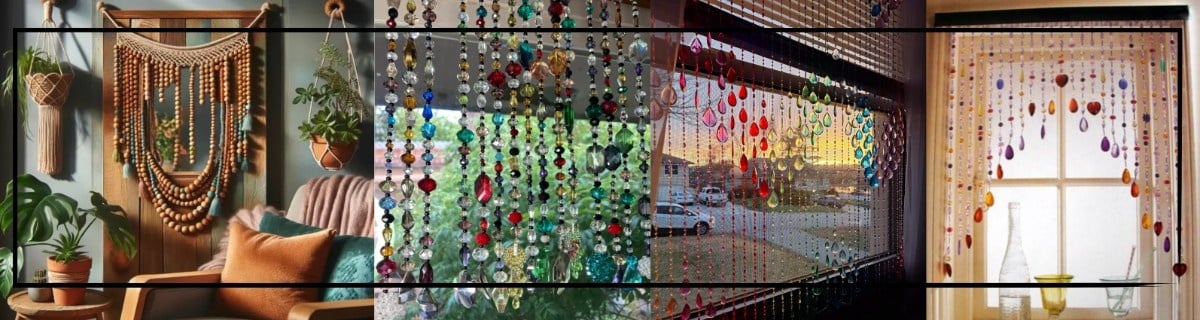
A beaded wall hanging adds depth against plain paint. A tasselled curtain tie creates softness near windows. Decorative beadwork on cabinet pulls changes the feel of storage instantly. These details create movement because beads catch and reflect shifting light throughout the day.
Indian interiors naturally suit this aesthetic. Beadwork has deep roots across local craft traditions. Rajasthans mirror and bead embroidery, Gujarati torans, and tribal decorative hangings have long used beads for rhythm and visual celebration. What feels fresh today carries strong cultural familiarity.
Materials make these accents practical as well as decorative. Wooden beads add warmth and age beautifully. Ceramic beads hold colour for years and resist fading. Glass beads reflect both natural and artificial light, making compact rooms feel brighter. Brass bead detailing develops surface richness over time, adding character through daily use.
This flexibility makes beaded accents attractive for Indian buyers.
They fit compact apartments in cities like Mumbai and Lucknow just as naturally as larger family homes. They add personality without requiring structural changes. This matters for renters and for seasonal home refreshes during Diwali, weddings, and festive hosting.
Cost also drives demand. Beaded decor offers visible impact at a lower investment compared to larger furniture upgrades. A small accent can shift an entire visual corner.
What truly sets these pieces apart is their human quality. Machine-made decor often looks too exact. Beaded accents carry small variations in spacing and finish. These details create life.
That is why buyers continue choosing them. They bring colour without clutter. Texture without heaviness. Tradition without looking dated. They make spaces feel intentional, warm, and unmistakably personal.
Tactile textures work best when a room needs warmth, balance, and visual depth. Modern interiors often lean flat. Smooth laminates. Clean paint finishes. Straight furniture lines. These spaces look organised but can feel distant. Texture changes that. A wooden bead garland on a console. Ceramic drawer pulls on a sideboard. Glass bead accents near a sunlit window. These additions break visual monotony. They give a room presence.
Choose wood when a room feels too sharp. Wood carries natural grain. That irregularity softens hard surfaces. It matters in homes filled with engineered furniture and polished finishes. Wooden beads work especially well in living rooms and reading corners. They add warmth without adding visual clutter. Solid wood also ages gracefully. Over time, it develops character through daily touch. That makes it ideal for Indian homes where decor often stays in use for years.
Choose glass when a room needs brightness. Glass beads reflect changing daylight. This helps compact apartments feel more open. That matters in Indian cities where closely built homes often limit natural light. A glass bead hanging near a balcony door catches shifting sunlight through the day. This creates movement on otherwise still walls. Glass also stays smooth and easy to clean. A quick wipe keeps the surface clear and reflective.
Choose ceramic when colour matters. Ceramic holds pigment better than many painted finishes. This means the surface stays fresh through regular use. Ceramic bead accents suit bedrooms, pooja spaces, and decorative corners. They offer texture without heaviness. Their cool touch also creates subtle sensory contrast against wood and fabric.
Homes now do more. They are workspaces. Rest spaces. Gathering spaces. Flat surfaces often make these environments feel sterile. Texture restores emotional comfort. Studies in environmental psychology show textured surroundings improve sensory engagement. This creates stronger emotional connection with a space. Indian homes have always understood this. Cane chairs. Brass temple bells. Terracotta planters. These details invite touch. That is tactile intelligence. It is how a material communicates through feeling. The right texture gives a room depth the eye notices instantly. A small beaded accent can shift how an entire corner feels. That is why tactile textures continue to matter. They make modern spaces feel human.
Beaded DIY projects work best when you want quick texture without major effort. Most need simple materials. Cotton thread. Wooden beads. Ceramic beads. Glass accents. These are easy to source across Indian craft stores and online marketplaces.
Choose this for shelves and mirrors. String wooden or ceramic beads onto cotton thread. Add tassels at both ends. Wooden beads bring warmth. Ceramic beads hold colour longer. This project usually takes under thirty minutes.
Choose this for brighter windows. Use jute rope with glass or polished wooden beads. Glass reflects sunlight beautifully. This helps smaller rooms feel lighter through the day. Wood offers a softer finish. Perfect for bedrooms and balconies.
Choose this for side tables. Wrap ceramic beads around plain cork coasters. Ceramic resists moisture better than unfinished wood. It also keeps its colour through repeated use. This small project adds instant detail to coffee corners.
Choose this for empty walls. String beads vertically along cotton cords. Add layered tassels below. Wood creates earthy warmth. Coloured ceramic introduces contrast. This works especially well near entryways or study corners.
Choose this for furniture refreshes. Replace standard pulls with beaded loops. Brass-finished beads offer better durability. They also develop richer surface character over time. Wooden beads create softer everyday touch. A ten-minute change can completely shift how storage feels.
These projects are simple. They are affordable. Most take less than two hours. More importantly, they create connection. Handmade accents carry memory. They turn ordinary spaces into corners that feel thoughtful, warm, and personal.
Strong beaded decor begins with the right material pairing. A beautiful design means little if the thread weakens early or the beads strain under daily use. Material choice decides durability. It decides how long a hanging keeps its shape. How well a tie-back handles repeated movement. How neatly a garland falls across a shelf.
For Indian homes, this matters even more. Humidity during monsoon, summer heat, and dust exposure place constant pressure on decorative accents. The right bead and string combination keeps every piece functional through changing seasons.
Wooden beads suit lightweight decorative projects. They stay light, easy to handle, and bring natural warmth. Pair them with jute for relaxed styling or nylon for stronger structure. Solid wood also resists minor surface scratches better than painted alternatives.
Glass beads work where visual clarity matters. They reflect light beautifully but carry more weight. This means they need stronger support. Nylon thread or thin coated wire works best here. These options prevent sagging and help the design hold shape.
Clay beads offer earthy texture. They create handmade character and work especially well in bohemian settings. Because clay can chip if stressed, pair it with soft but firm nylon cord. This reduces friction between beads.
| Bead Material | Best Thread Type | Best Use | Key Benefit |
| Wood |
Jute / Nylon |
Garlands, wall strands |
Lightweight and warm |
| Glass |
Nylon / Wire |
Curtain accents, statement hangings |
Better light reflection |
| Clay |
Nylon Cord |
Table decor, decorative loops |
Textured handmade finish |
| Ceramic |
Wire / Nylon |
Structured hanging accents |
Strong colour retention |
Choose by function first. A hanging near a balcony needs stronger support than a shelf accent. A decorative loop for a sideboard drawer needs flexibility. A wall piece above a console needs structure. This small decision prevents breakage later.
Buyers often overlook thread thickness. That matters. For most home projects, 1mm to 2mm nylon cord offers dependable strength. Thin wire suits structured designs. Jute works best for softer styling but may fray faster with constant handling.
Good material pairing saves repair work. It keeps your beaded decor looking intentional for longer.
Beaded accents work best when styled to match how each room functions. A living room needs visible detail. A dining space needs controlled texture. A bedroom needs softness. The right placement changes everything.
Choose layered strands for open display areas. Living rooms carry the strongest visual responsibility. A wooden bead garland draped across a console adds warmth without cluttering the surface. Glass-accented wall hangings suit textured paint or neutral walls. These details create rhythm across larger spaces.
Choose table-level accents. Dining spaces benefit from detail that feels intentional but practical. Beaded napkin rings in ceramic or clay work beautifully here. Ceramic keeps colour sharp through repeated use. Clay adds earthy texture that pairs naturally with linen runners. A small centrepiece strand around candles also works well.
Choose softer finishes. Bedrooms need calm visual texture. Wooden bead curtain ties create subtle detail near windows. Muted ceramic accents beside bedside lamps keep the look grounded. Natural materials help the room feel relaxed. That matters in spaces designed for rest.
Choose compact statement pieces. The entrance creates first impression. A short bead hanging near a mirror adds movement. Glass details catch incoming daylight. This brightens smaller apartment entrances instantly. It works especially well in city flats where foyers stay compact.
Choose weather-conscious materials. Covered balconies handle changing conditions. Ceramic and treated wood perform well here. These materials manage dust and mild moisture better than untreated fibres. A vertical hanging near planters creates natural layering.
Choose minimal structure. Workspaces need calm order. A slim bead strand near shelving adds texture without distraction. Wood works especially well because its matte finish feels softer to the eye.
Beaded decor works through placement. The same accent can feel understated in one room and overpowering in another. Scale matters. Material matters. Function matters. Style with purpose and the result feels natural. That is how a simple handcrafted detail shapes an entire room.
Eco-conscious beading works best when built around what already exists. The strongest sustainable projects often begin at home. Old accessory boxes. Broken strands. Forgotten festive decor. Loose wooden pieces tucked into storage jars. These overlooked materials often carry more value than newly bought supplies.
In many Indian homes, decorative leftovers remain stored for years. Wedding bead strings. Damaged tasselled accents. Ceramic fragments from older wall pieces. These materials can become something new.
Reclaimed wooden beads work especially well for long-term decor. Their grain has already settled over time. This helps reduce splitting later. Older wood also carries richer surface character. That gives finished pieces more depth.
Production-surplus beads are another smart option. Craft supply markets across Jaipur, Delhi, and Kolkata often stock unsold lots from previous manufacturing runs. These remain untouched. Glass pieces from such lots retain their shine beautifully. Fired ceramic accents hold colour far longer than many painted synthetic alternatives.
Natural cords matter just as much. Jute works well for softer decorative projects. Cotton feels gentler in hand and suits indoor styling. Recycled nylon offers stronger hold for weight-bearing designs. Choose based on use. A wall strand above a console may work perfectly with cotton. A heavier hanging near a covered balcony needs reinforced support.
Sustainability also depends on lifespan. A carefully assembled accent that lasts years creates less waste than something replaced every few months. That is where thoughtful material selection matters.
Restring instead of replacing. Reuse instead of discarding. Repair before purchasing new.
These small decisions shape more responsible decor. That is what makes upcycled beading meaningful.
Read More : The Slow Cooking Revolution: Displaying Heirloom-Quality Kitchenware as Art
Making your own beaded decor usually costs less. The difference becomes obvious once material expense meets showroom pricing. Premium handcrafted bead accents often retail between Rs. 1,500 and Rs. 6,000. That cost reflects packaging, branding, transport, and display overhead.
Home assembly changes that equation. A beginner strand using timber beads, tassels, and durable cord often costs Rs. 250 to Rs. 500. A larger decorative drop with ceramic detailing may reach Rs. 900. Even statement-sized designs usually remain under Rs. 1,500 with careful sourcing.
Bulk purchasing changes pricing further. Local wholesale craft districts often offer lower rates on larger quantities. Timber beads bought in packs can cost 30 percent less. Cotton cord remains budget-friendly. Glass costs slightly more but creates stronger visual effect.
The trade-off is time. DIY requires patience. But the cost savings often justify the effort. The finished piece also feels more personal. That value rarely comes from store-bought decor.
Most problems begin with poor material matching. The fix is usually simple. A few small adjustments solve most issues quickly.
Choose firmer support. Sagging usually means bead weight exceeds thread strength. Switch to 1.5mm nylon cord. Glass and ceramic pieces need stronger structure than cotton. This restores cleaner fall and shape.
Secure with double-lock tying. Add a tiny clear adhesive dot after tightening. This keeps tension firm during repeated movement. It works especially well for movable accents.
Create breathing space. Small silicone separators reduce surface contact. This matters most with ceramic and clay. These materials chip faster under constant friction.
Mark before threading. Use measured chalk points along the cord. Even minor variation becomes obvious once suspended. Careful spacing keeps the line balanced.
Balance the palette. Bright ceramic or polished glass needs grounding. Pair them with matte timber or cotton tassels. This softens contrast naturally.
Small corrections improve finish quality. They also extend lifespan. The difference between rushed decor and polished work often comes down to these details. Every mistake teaches material behaviour. That understanding leads to stronger, better-looking pieces next time.
Read More : Biophilic Design : Deep-Toned Terracotta Vases for Urban Jungles
DIY beadwork works best when practical details are clear from the start. Most first-time makers ask the same things. Thread strength. Cleaning methods. Placement. Material durability. These questions shape how well a finished piece performs. In Indian homes, where decor often stays in use through changing weather and daily movement, getting these basics right matters.
Choose braided nylon for stronger hold. Heavy timber beads need support that handles weight without stretching. Braided nylon stays firm through regular use and keeps larger strands balanced. For most indoor projects, 1.5mm to 2mm thickness works well. If the piece hangs permanently, coated wire gives even better structure. That matters for larger wall accents.
Choose gentle dry cleaning first. A microfiber cloth removes most surface dust safely. For glass details, use a lightly damp cloth and dry immediately. Avoid soaking. Wood absorbs moisture quickly. This can lead to swelling over time. Threaded designs also weaken faster when exposed to repeated dampness. A quick wipe every two weeks usually keeps indoor pieces fresh.
Well-assembled pieces often last several years. Placement matters. Material matters. Indoor wooden and ceramic designs generally perform longer than pieces placed near outdoor moisture. Occasional restringing helps extend life further. That small upkeep step makes a real difference.
Yes, with the right material pairing. Glass and ceramic stay more stable through heat. Lighter cotton cords may loosen faster under prolonged sun exposure. For warmer regions, reinforced nylon offers better long-term performance. This matters especially near west-facing windows and enclosed balconies.
Why Does My Beaded Garland Twist After Hanging?
Uneven weight distribution causes twisting. Heavier beads placed unevenly pull the strand out of line. Lay the full arrangement flat before hanging. Adjust spacing carefully. Even slight imbalance becomes visible once suspended.
Yes, if they remain structurally sound. Older necklace beads often work beautifully for decorative strands and smaller accents. Inspect edges first. Rough or chipped surfaces create friction against thread. Smooth beads always last longer.
Choose secure finishing. Double-knot every ending point. Add a tiny clear adhesive drop once tightened. Let it dry fully before hanging. This simple step prevents early loosening and keeps spacing cleaner.
Choose wood first. Wood stays lighter and easier to handle during assembly. It also allows easier correction if spacing shifts. Glass creates stronger visual impact but adds weight quickly. Ceramic offers lasting colour but needs more careful balancing. Timber keeps the learning process simpler.
Avoid direct exposure to rain and harsh weather. Even covered balconies collect seasonal moisture and dust. This gradually weakens thread and affects surface finish. Indoor placement near filtered light works best. That keeps both colour and structure stable for longer.
These answers solve most beginner concerns. A few thoughtful choices early on create beadwork that looks better, hangs straighter, and lasts far longer.






 SignIn / SignUP
 Forgot password
 My Orders
 My Wishlist
  My Wallet
 My Invitee
 Sell with us
 New Arrivals