




 SignIn / SignUP
 Forgot password
 My Orders
 My Wishlist
  My Wallet
 My Invitee
 Sell with us
 New Arrivals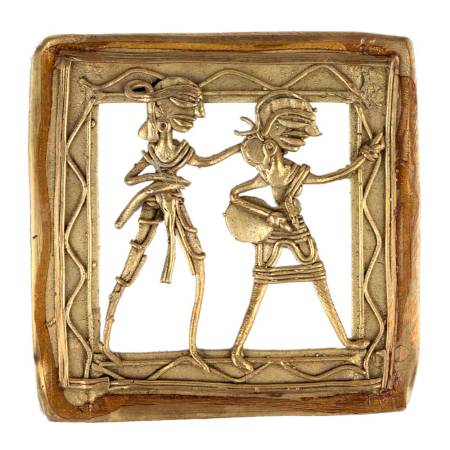






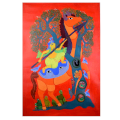




Paper and Cloth Kalighat Painting of Lord Hanumanji by Artist Sahajan Chitrakar
- ₹ 26,000.00
-
Only 1 left


Lord Narasimha with Lakshmi Depicted in Kalighat Folk Art by Artist Sahajan Chitrakar
- ₹ 26,000.00
-
Only 1 left


Lord Krishna Dancing on Kaliya Serpent in Traditional Kalighat Art by Artist Sahajan ...
- ₹ 26,000.00
-
Only 1 left


Kalighat Painting of Krishna and Mother Yashoda on Cloth and Paper by Artist Sahajan ...
- ₹ 26,000.00
-
Only 1 left


Cloth and Paper Kalighat Painting of Goddess Durga Slaying Mahishasura by Artist Saha...
- ₹ 26,000.00
-
Only 1 left


Hand-Painted Kalighat Painting of Lord Shiva with Nandi by Artist Sahajan Chitrakar
- ₹ 26,000.00
-
Only 1 left


Ganesh & Lakshmi on Lotus Boat Kalighat Paper and Cloth Painting by Artist Sahajan Ch...
- ₹ 26,500.00
-
Only 1 left


Cloth and Paper Dancing Lord Ganesha Kalighat Painting by Artist Sahajan Chitrakar
- ₹ 26,000.00
-
Only 1 left


Lord Vishnu in Makara Boat Cloth and Paper Kalighat Painting by Artist Sahajan Chitra...
- ₹ 26,500.00
-
Only 1 left


Traditional Cloth Paper Kalighat Painting of Vishnu & Lakshmi on Garuda by Artist Sah...
- ₹ 26,000.00
-
Only 1 left


Traditional Embroidered Procession Scene Thread Work on Cloth Mounted on Hardboard
- ₹ 55,000.00
-
Only 1 left


Beautiful Painting With Used 2 lady Painting In Rajasthan Art On Wooden Frame
- ₹ 21,400.00
-
Only 1 left


Beautiful Pattachitra Painting of Ramcharitmanas Sundar Kaand on Cloth Paper
- ₹ 95,000.00
-
Only 1 left






Traditional Indian Art and Paintings: Styles, Techniques, and Timeless Legacy
Traditional Indian art is the residue of ritual, rhythm, and remembrance. Each stroke echoes centuries of devotion, discipline, and inheritance. These paintings are not born on blank canvas but emerge from the womb of oral traditions, temple rituals, folk songs, and sacred manuscripts. Whether rendered on mud walls, palm leaves, or cloth scrolls, traditional Indian art transcends technique. It breathes life into mythology, mimics seasonal rhythms, and evokes the divine in the mundane. Every pigment is local, every symbol sacred. It’s not just art. It’s a visual scripture passed from hand to hand, brush to brush, story to story.
What Is A Traditional Indian Painting?
A traditional Indian painting is a visual embodiment of cultural continuity and regional philosophy. It’s more than an image. It’s an invocation. Unlike modern, concept-driven works, these paintings arise from inherited forms rooted in rituals, festivals, epics, and the natural world. For instance, the repetitive geometries in Warli or the lotus-laden compositions of Tanjore are not artistic choices but cultural necessities. Artists use mineral pigments, natural dyes, rice paste, and gold foil not for aesthetic luxury but for spiritual texture. Whether it’s the bold symmetry of Madhubani or the lyrical storytelling of Pattachitra, each painting is an ecosystem of beliefs, symbols, and sacred proportions. It preserves lineage, not just of artists, but of memory, mythology, and meaning.
What Emotions Or Themes Do Traditional Indian Paintings Commonly Portray?
Traditional Indian paintings are emotionally dense. They are not passive visuals but evocative metaphors. Devotion is the foundational tone, be it Krishna’s blue form in Pichwai or Shiva’s cosmic dance in Chola bronzes. Mythology dances through these frames with layered allegories. Love is seen in Rasleela themes, often eternalized in tender brushstrokes. Nature plays a sentient role. Peacocks, lotuses, elephants, and trees of life aren't decorative but symbolic. Village life is celebrated in Warli with rhythmic linearity. Royal opulence finds expression in Rajput miniatures through lavish textiles, jeweled turbans, and palatial scenes. Emotionally, these works range from meditative serenity to playful eroticism. Always textured. Always sacred. They don’t just show. They chant, hum, and breathe.
What Are The Most Recognized Styles In Traditional Indian Art?
Traditional Indian art is a constellation of styles. Each region a star with its unique luminosity. Tanjore paintings, known for their gilded surfaces and religious iconography, mirror southern devotion. Mughal miniatures, intricate and opulent, reflect Persian precision blended with Indian themes, hunt scenes, court life, garden aesthetics. Rajput and Pahari schools lean into spiritual romanticism, often illustrating the Ramayana, Gita Govinda, or Krishna’s divine lila. Kalighat, born from 19th-century Bengal, offers fluid brushwork and social satire. Gond art from Central India pulses with vibrant storytelling, while Kalamkari bleeds myth onto fabric with natural dyes. Each style is defined not just by technique or material but by its embedded cultural voice. Together, they form a visual epic, an atlas of India's artistic soul.
Why Is Traditional Indian Art Still Revered In The Contemporary Art World?
Traditional Indian art endures not as nostalgia, but as living memory. In a world of speed and digital abstraction, these works offer a tactile, handmade intimacy. Their timeless relevance lies in their spiritual coding. Every motif, from mandala to lotus, speaks of order, harmony, and cosmic rhythm. They are not only aesthetically rich but philosophically deep. Visual extensions of oral traditions and sacred texts. Artisanship remains unparalleled. Each piece a result of generational mastery. For collectors and curators today, these works are not mere acquisitions. They are historical anchors, cultural blueprints, soul-stitched stories. They remind us that before art became global, it was deeply local. And in that rootedness lies its eternal pull.
Techniques, Mediums & Artistic Tools in Traditional Indian Art and Paintings
Traditional Indian painting techniques are rooted in ritual, repetition, and reverence. The process was meditative, a silent chant performed with the brush. Artists ground natural pigments from crushed minerals like lapis lazuli and malachite, extracted dyes from turmeric or indigo, and used fine brushes made from squirrel hair or bamboo twigs. Layering techniques were deliberate, starting with a base wash, artists built up tonal ranges using tempera or gouache to preserve luminosity. Gold and silver leaf were often burnished over raised gesso to create divine haloes or ornamental detailing. These were not just tools, they were invocations of devotion, memory, and legacy.
How Was Traditional Indian Art Traditionally Created?
Traditional Indian art was created through a painstaking, devotional process often passed down through generations of artists within gharanas or schools. Each phase, from preparing the surface to applying final ornamentation, was embedded in ritual precision. Artists began by selecting a base, palm leaves, cloth, or hand-pressed paper, and treating it with cow dung or starch to make it pigment-receptive. Brushes were handcrafted, often using neem twigs or fine animal hair. Colors were ground manually and mixed with binders like gum arabic or resin. The painting then unfolded slowly, outline, filling, shading, texturing, layer upon layer, allowing drying between applications. The process was meticulous and meditative, reflecting the artist’s inner discipline and cultural inheritance.
What Painting Mediums Were Commonly Used In Traditional Indian Art?
Traditional Indian art embraced a rich lexicon of natural mediums. Artists preferred mineral-based pigments for permanence and brilliance, azurite for blue, cinnabar for red, and yellow ochre from clay deposits. Vegetable-based dyes were extracted from turmeric, indigo leaves, and pomegranate rinds. Gold leaf was used to highlight divine figures, while silver lent a celestial sheen. Organic binders like gum arabic, cow urine, and tamarind seed were mixed to bind color to surface. Fresco secco, tempera, and natural ink washes were employed depending on region and style. Each medium dictated the final texture, matte, glossy, cracked, or radiant, imbuing every artwork with tactile history and cultural intimacy.
What Role Did Canvas, Wood, Or Fabric Play In Traditional Indian Painting?
The base in Indian traditional painting wasn’t merely a surface, it was an active participant. Palm leaves offered a sacred, intimate format for Jain manuscripts and pattachitra, their texture guiding fine line work. Cotton cloth, stiffened with tamarind paste or rice starch, was used in phad and pichwai paintings, where its weave absorbed dense pigment layers. Wood panels added rigidity and gravitas to Tanjore paintings, allowing the use of relief work and embedded stones. Handmade paper offered the most flexibility for miniature paintings, letting artists layer color with featherlight detail. Each material echoed the spiritual weight or social intent behind the image, becoming part of the narrative.
Artistic Intent and Visual Storytelling in Traditional Indian Art
Traditional Indian art is not merely representational, it is performative. Paintings were portals, acts of devotion, carriers of folklore, mirrors of the divine. Every figure was carefully postured, every gesture mudra, ornament, and gaze encoded. Storytelling wasn’t linear, it unfolded in layers, like a palimpsest of emotions. Whether ragamala series linking musical modes to seasons, or pahari paintings capturing Krishna's playful moods, art was used to preserve and pass down not only stories but rasa, the emotional flavor of life. The painting was not just seen, it was felt, recited, and remembered in the collective consciousness.
What Stories Or Messages Did Traditional Indian Paintings Aim To Convey?
Traditional Indian paintings conveyed mythologies, folklore, spiritual allegories, and regional customs with vivid symbolism. Scenes from the Ramayana, Mahabharata, or Bhagavata Purana were not merely retellings, they were emotional tableaux meant to evoke specific rasas, emotions, devotion, valor, longing, or transcendence. Art styles like Madhubani used geometric motifs to tell stories of gods and nature, while Pattachitra painted temple rituals onto cloth scrolls for villagers who couldn't travel. Many artworks doubled as didactic tools, teaching dharma, social codes, or cosmology through visual metaphor. Every stroke was deliberate, every element, be it a flying bird or blooming tree, was placed to echo the deeper truth within the tale.
How Did Traditional Indian Artists Express Political, Spiritual, Or Cultural Symbols?
Symbolism in Indian traditional art was precise and densely packed. Political authority was often communicated through posture, kings depicted in full frontal view on raised thrones, framed by elephants and parasols. Spiritual power radiated through the iconography, lotus for purity, chakra for time, conch for divine speech. The positioning of limbs, the tilt of the eyes, the adornment of crowns, all relayed status, power, or divinity. In Mewar miniatures, the king’s proximity to Krishna or Shiva asserted both piety and legitimacy. Cultural identity, too, was coded in attire, architecture, and color palette, embedding community pride, resistance, or philosophical thought beneath the surface of ornamentation.
How Do Light, Shadow, And Color Palettes Influence Mood In Traditional Indian Art?
While Indian traditional paintings often resisted naturalistic shading, their emotional power lay in stylized color dramaturgy. Reds, rich and unyielding, evoked strength and shringara, romantic love. Deep indigo blues, especially in depictions of Krishna, conjured spiritual transcendence. Earthy browns and ochres grounded tribal or village paintings in nature and ritual. Unlike Western chiaroscuro, shadow was represented through symbolic contrasts rather than realism. For instance, the divine always stood out, often through halos, jewel-toned garments, or golden backgrounds, casting spiritual light across the composition. The palette was chosen not just for harmony, but for resonance, invoking devotion, serenity, or ecstatic celebration through color rather than form.
Purchase, Collection & Investment in Traditional Indian Art and Paintings
The traditional Indian art market is layered, part heritage, part connoisseurship, and part spiritual commerce. Collectors seek not just aesthetic value but narrative depth, material authenticity, and regional legacy. A Phad tells a migrating bard’s story, a Thangka blesses a Himalayan household. Buying such art is less about decoration and more about inheriting a piece of encoded memory. Today, you can explore artisan villages, cultural fairs, or curated platforms offering authentic, hand-painted works, each a slow-crafted artefact bearing the brushmarks of a dying tradition, preserved in pigment and passion.
Where Can You Buy Authentic Traditional Indian Paintings?
Authentic Indian traditional paintings can be sourced through multiple channels, artisan villages like Raghurajpur, famed for Pattachitra, or Nathdwara, home of Pichwai painters, government emporiums like Central Cottage Industries Emporium, and national fairs such as Surajkund Mela. Online platforms like IndianShelf, Dastkar, Gaatha, and cultural arms of galleries like DAG offer certified artworks. Each piece should come with provenance details, artist name, region, and medium used. Avoid mass-produced prints or works without visible brush texture and pigment variation. A genuine traditional painting breathes with human touch, its surface bears grain, smudges, and the quiet imperfections of handmade craft.
How Can You Verify The Authenticity Of Traditional Indian Paintings?
Authenticity is verified through a combination of visual analysis and provenance. First, examine the medium, true handmade paintings often show irregularities in brush strokes, pigment saturation, and edges. Traditional mineral and vegetable pigments have a muted yet enduring finish, unlike synthetic gloss. Check for signs of layering, traditional base materials like khadi or palm leaf, and use of natural binders. An artist’s signature, regional style consistency, and subject matter alignment with cultural lore also help. For high-value works, consult with curators, use radiocarbon dating or pigment tests, and request authentication certificates from cultural bodies or museums.
What Makes Traditional Indian Art A Worthwhile Investment?
Traditional Indian art holds enduring cultural, aesthetic, and financial value. Each piece represents not just visual richness but an entire ecosystem of heritage, regional identity, storytelling craft, and ritual meaning. Hand-painted artworks, especially from dwindling schools like Kalamkari or Thangka, become rarer with time. Their value appreciates due to limited authentic supply, generational legacy, and increasing demand from collectors globally. More than a financial asset, such art becomes a talisman, an heirloom carrying lineage, spiritual presence, and historical weight. Investing in it is a quiet act of preservation, of craft, of memory, and of cultural resilience.
Care, Framing & Preservation of Traditional Indian Art and Paintings
Traditional Indian art, delicate yet timeless, requires a custodian’s eye and a collector’s devotion. These works, whether Kalighat on paper, Pattachitra on cloth, or Pahari miniatures on handmade wasli, are as vulnerable as they are precious. The tactile charm of organic pigments, crushed minerals, and gold leafing demands silence from the elements. Framing becomes a ceremonial act, archival matting, UV-protected glass, and hand-carved teak or rosewood hold the work not just in place, but in reverence. Preservation is not a technical task alone, it’s an aesthetic ritual, a spiritual covenant between the past and the present.
How Do You Properly Store And Maintain Traditional Indian Paintings?
Proper storage of traditional Indian paintings starts with recognizing their material fragility. Works created with natural dyes, vegetable colors, and hand-treated surfaces can warp, fade, or flake if exposed to humidity or direct sunlight. A cool, dry, dimly lit space, preferably with consistent temperature, is ideal. Use acid-free backing boards and avoid direct contact with glass to prevent condensation. Traditional scrolls like Pattachitra should be unrolled only when displayed, while framed works like Tanjore paintings should be sealed with archival-quality UV glass. Regular inspection for signs of insect damage, moisture stains, or mildew ensures early conservation, preserving the original surface integrity.
What Frames And Materials Best Complement Traditional Indian Art?
Traditional Indian art blossoms in frames that echo its ethos. Hand-carved wooden frames, often in sheesham, teak, or walnut, complement the richness of gold foil in Tanjore works or the earthy palette of Madhubani paintings. For Mughal miniatures or Pahari works, metallic gilded edges or jali-inspired frames can enhance the narrative without overpowering it. Avoid gaudy, modern designs that clash with the painting’s tonality. The mountboard should be pH-neutral, ideally in shades like off-white, beige, or deep maroon to echo temple walls and ancestral homes. Framing here is an extension of storytelling, not just a border.
Can Traditional Indian Paintings Be Restored Without Losing Their Original Feel?
Yes, but only when handled by skilled conservators who understand both technique and soul. Restoration is not repainting but revival. Water damage, flaking pigments, or disintegrated wasli can be addressed with natural adhesives, original mineral pigments, and age-appropriate tools. Conservationists often work under magnification, applying each retouch with reverence. What’s essential is that the essence, the patina of time, the hand-drawn imperfections, the aura, remains untouched. With minimal intervention and ethical restoration principles, artworks can reclaim their brilliance while staying true to their historic identity.
What Are Common Damages Traditional Indian Artworks Suffer?
Time is both a companion and a thief. Traditional Indian artworks often suffer from pigment fading due to UV exposure, especially those using organic dyes like indigo or turmeric. Scroll-based art like Kalamkari or Pattachitra may face tearing along folds. Paper-based works are prone to brittleness, while canvases may sag or stretch. Moisture causes mold, while insects, especially silverfish and termites, feast on natural fibers and wood. Unframed pieces stored without protection gather dust or attract stains. Regular monitoring, gentle cleaning, and protective layering are essential in defending these visual heirlooms from slow decay.
Home Decor, Styling & Mood Setting With Traditional Indian Art
Traditional Indian paintings are not mere embellishments, they are emotional devices, spiritual anchors, and cultural storytellers. When placed mindfully, a Mithila painting can bring divine geometry to an otherwise sterile wall, while a Rajasthani Phad can stretch narrative tension across an entire room. The vibrancy of folk art counters the monotony of minimalism, the gilded sanctity of a Tanjore panel elevates even the humblest altar. These works converse with light, architecture, and silence. Their presence evokes not just visual beauty, but spiritual temperature, warmth, depth, nostalgia, and reverence.
How Can Traditional Indian Paintings Influence A Room’s Ambience?
Traditional Indian paintings operate as emotional touchstones. A Pichwai featuring Krishna against a lotus-filled backdrop doesn’t merely add color, it whispers tales of devotion. The geometric vibrance of Madhubani or Warli brings a kinetic rhythm, often translating into a visual ‘raga’ that sets the tone of the room. In meditation spaces, such paintings calm the eye and mind, while in social areas, they offer vibrant talking points. Unlike mass-produced decor, these works carry a palpable soul, a sense of time and hand, evoking spirituality, celebration, or solemnity, depending on placement and subject.
What Interior Styles Pair Well With Traditional Indian Art?
The beauty of traditional Indian paintings lies in their adaptability. They blend seamlessly into rustic, bohemian, and eclectic interiors, bringing layered contrast to modern elements. A Mughal miniature can elevate a minimalist wall when floated in a shadow box. In classical homes, Tanjore and Mysore paintings mirror antique furniture, brass lamps, and woven drapes. For fusion aesthetics, juxtapose a Madhubani piece with Scandinavian furniture, or place a Kalamkari scroll in a Japandi-style hallway. The key is visual balance, let the painting breathe and resonate with textures, not clutter.
How Do You Choose The Right Traditional Indian Painting For A Room?
Curating traditional art is intuitive. A puja room calls for divinity, Tanjore icons, Pichwai panels, or Nathdwara paintings evoke reverence. For bedrooms, opt for romantic themes, Radha-Krishna in miniature style or court scenes from Kishangarh school. Dining areas can house folk art, Bengal’s Kalighat or Odisha’s Saura, which reflect communal joy. Corridors and transitional spaces are perfect for narrative art like Phad or scrolls. Match size to scale, and color tones to the wall’s emotional intention. More than matching decor, it’s about anchoring stories into spaces where they are most emotionally relevant.
Cultural Impact & Historical Legacy of Traditional Indian Art and Paintings
Traditional Indian art isn’t just visual, it’s archival, devotional, and philosophical. From Ajanta’s fluid murals to the angular grace of Jain manuscript illustrations, every brushstroke archives the beliefs, hopes, and rituals of its time. These artworks are often unsigned, anonymous yet immortal, passed down through caste guilds, temple traditions, and oral histories. They connect generations not just through pigment and paper, but through purpose. The cultural weight they carry is immense, they’ve been offerings, political statements, teaching tools, and meditative aids. Their legacy is lived, not displayed.
What Is The Historical Significance Of Traditional Indian Paintings?
Traditional Indian paintings form one of the richest visual archives of pre-modern societies. They depict epics, courtly life, deities, and agricultural rituals, each element speaking volumes about the economy, gender roles, fashion, and spirituality of a period. Cave murals at Ajanta trace Buddhist transitions, while Jain miniatures reflect monastic life’s austerity. Mughal art recorded imperial grandeur, botanical studies, and poetic verses. Folk art preserved oral storytelling traditions, acting as both entertainment and moral education. Collectively, they are visual epics, documenting India's evolving metaphysics, from Vedic fire altars to Bhakti pathos.
How Did Different Cultures Contribute To Traditional Indian Art?
India’s art evolved through cross-cultural pollination. Persian influence under the Mughals introduced refined detailing, naturalistic portraits, and miniature scale. The Deccan region saw Turkish, Iranian, and Hindu aesthetics interwoven, lotus motifs met Islamic arabesques. European traders and missionaries brought oil painting, linear perspective, and realism, evident in Company School works. Buddhism’s spread to East Asia led to stylistic exchanges in iconography and symbolism. Tribal and rural art, though self-contained, absorbed regional motifs and materials. Thus, traditional Indian art is not insular, it is a living palimpsest, absorbing, adapting, and evolving.
Which Artists And Schools Shaped The History Of Traditional Indian Painting?
While many works remain anonymous, regional schools and a few celebrated names defined Indian art. The Mughal atelier under Akbar, Jahangir, and Shah Jahan cultivated master painters like Basawan and Govardhan. The Pahari school saw artists like Nainsukh who blurred courtly and folk aesthetics. The Bengal School, under Abanindranath Tagore, revived indigenous styles against colonial dominance, ushering a new nationalism in visual form. Kalamkari and Madhubani traditions owe their preservation to local women artisans, passed down through generations. Collectively, these creators shaped India’s artistic DNA, both formally trained and organically evolved.
Traditional Indian Paintings vs Other Art Forms
Traditional Indian art is an intricate tapestry of devotion, mythology, and geometry. It doesn't merely depict, it invokes. Whether it's the minute brushstrokes of Pahari paintings or the symbolic repetition in Madhubani, these forms hold narrative as a sacred element. Unlike minimalist or abstract Western art that strips visuals down to concepts, Indian traditional paintings celebrate ornamentation. The canvas is never empty, it is layered with symbolism, floral borders, divine eyes, mythic animals. While other forms seek to deconstruct, traditional Indian art constructs a visual prayer. It's not an object of observation but of offering.
How Are Traditional Indian Paintings Different From Modern Or Minimalist Art?
Traditional Indian paintings revolve around storytelling, cosmology, and the divine. They treat space as sacred, filling it with gods, patterns, and lore. Modern art, especially minimalism, is often about form stripped of context, an expression of inner voids or societal alienation. While minimalism thrives on clean lines and negative space, traditional Indian paintings explode with iconography and texture. Even a tree in Warli is symbolic. It’s not just style, it’s cultural encoding. Minimalist art may provoke contemplation, but Indian art invokes ritual. The difference lies in purpose, one seeks thought, the other seeks transcendence.
What Sets Traditional Indian Art Apart From Digital Or Printed Art?
Digital art thrives on precision, duplication, and ease of production. It offers aesthetic appeal but lacks the aura Walter Benjamin once associated with the “original.” Traditional Indian art, by contrast, is tactile. You feel the brush's tremble in a Kalamkari line, the grain of handmade paper in a Thangka, the uneven pigment of natural dyes. Each piece is a ritual in itself, created with specific chants, timings, and intention. There's imperfection, and therein lies its humanity. Unlike printed art, which is detached from process, traditional Indian paintings breathe with the hands, prayers, and psyche of the artisan.
How Do Indian Watercolors Differ From Oil-Based Techniques?
Indian watercolors, especially in miniature styles like Rajput or Mughal, are opaque and flat, prioritizing fine details and crisp boundaries. Artists used squirrel hair brushes to draw individual eyelashes. These paintings valued clarity and linear storytelling. When Raja Ravi Varma introduced oil painting in the 19th century, it ushered in Western techniques, chiaroscuro, realism, and three-dimensionality. Oil paints allowed blending, layering, and life-like textures. Watercolors in Indian tradition were deliberate and disciplined, every layer drying before the next. Oil painting gave space to romanticism and drama, whereas traditional watercolors remained loyal to stylization and sacred geometry.
Emotional & Symbolic Value of Traditional Indian Art and Paintings
Traditional Indian art is ancestral memory on canvas. It holds a whisper from grandmothers, a prayer from the priest, a story from the village square. Gifting a painting of Ganesha or Radha Krishna is not decorative, it’s invoking blessings. Inherited art becomes relic. Every crack in the pigment, every faded hue tells a family tale. These pieces don't just hang on walls, they become guardians of culture, identity, and emotion. Traditional Indian art reflects the soul of a civilization, making it an intimate object of connection and not just admiration.
Can Traditional Indian Paintings Be Given As Meaningful Gifts?
Absolutely. Gifting a traditional Indian painting is akin to gifting a piece of history and spiritual inheritance. Whether it's a Phad painting of deities or a Madhubani of flora and fauna, these artworks are charged with symbolism. They're not just beautiful, they carry intentions. A Meenakari panel of Lakshmi brings abundance, a Warli mural symbolizes community. Unlike generic store bought gifts, these pieces are intimate, intentional, and rooted. They reflect the giver’s reverence for the recipient’s spiritual and cultural identity. The receiver doesn’t just accept art, they inherit a story, a blessing, and a cultural emblem.
What Emotional Value Do Inherited Traditional Indian Paintings Hold?
Inherited paintings are heirlooms of memory. A Rajasthani miniature passed down generations doesn’t just depict royal scenes, it embodies familial pride, roots, and legacy. Each crease or faded section becomes a narrative in itself, perhaps a tale of migration, a wedding gift, or a housewarming token. These paintings hold what museums cannot, emotion. They carry the scent of old trunks, the silence of generations, and the gaze of ancestors. Owning one is not about possession, but about preservation. They link the past and present, silently reinforcing one’s identity through pigment, paper, and prayer.
Why Do People Feel Deeply Connected To Traditional Indian Art?
Artworks speak our native tongue through visuals. Traditional Indian paintings echo the stories we were told as children, the rituals we witnessed, the gods we prayed to. The motifs are familiar, the colors ancestral. Whether it's a Tanjore of Bal Krishna or a Mithila depiction of nature, they invoke memory. These pieces don't just decorate, they resonate. The connection is almost primal, as though the painting recognizes you. It's not simply about aesthetics, it's about belonging. These artworks assure us that our roots are alive, our culture is breathing, and our stories are still being painted.
Frequently Asked Questions (FAQs) on Traditional Indian Art and Paintings
What Defines A Painting As Traditional Indian Art?
It’s more than just origin. A painting qualifies as traditional Indian art if it draws from India’s rich visual legacy, follows specific regional styles like Pichwai, Gond, or Mughal, and uses traditional techniques, natural dyes, handmade paper, indigenous brushes. These artworks are deeply rooted in rituals, folklore, and symbolism. The themes are often divine, pastoral, or epic in nature. Stylistically, it avoids Western realism in favor of stylization and symmetry. Traditional Indian art does not imitate reality, it interprets it. It’s a continuation of a visual script passed from guru to shishya, from brush to brush.
Can Traditional Indian Art Be Authentically Recreated Today?
Yes, and many artists are dedicated to this revival. In Odisha, Pattachitra artists still grind stones to make colors. In Rajasthan, Phad painters sing their paintings into life. Authentic recreation isn't replication, it’s transmission. As long as artisans learn techniques from older generations, use natural materials, and honor original themes, authenticity lives. Some even innovate within tradition, adding subtle modern elements while preserving structure and soul. Institutions and NGOs also help keep this legacy alive by documenting methods and promoting artisan clusters. Authenticity isn't just technique, it's intention, lineage, and respect for tradition.
How Do You Protect Traditional Indian Paintings From Damage?
Traditional paintings, being often made on organic material like cloth, bark, or handmade paper, are vulnerable to light, humidity, and dust. To preserve them, avoid direct sunlight, it can bleach natural pigments. Use acid free mounts and UV protected glass frames. Keep them in dry, temperate environments. Avoid rolling if framed, and if stored, roll with care in acid free paper. Periodic checks for mold or fading are essential. Restoration should be done by professionals familiar with traditional techniques. Protection, in this case, is both a physical and cultural responsibility to safeguard heritage from decay.
Is Traditional Indian Art Still Relevant In Today’s World?
More than ever. As global design turns to sustainability and cultural storytelling, traditional Indian art is gaining renewed appreciation. Designers blend Madhubani with contemporary fashion. Galleries exhibit Gond next to global abstract art. These paintings resonate because they carry soul in an increasingly digitized world. While trends change, the eternal themes of Indian art, nature, divinity, community, remain timeless. They offer a visual refuge from the mechanical and commercial. Even in minimalist homes, a single Tanjore or Warli piece becomes a spiritual anchor. Relevance lies not in form, but in the emotional resonance they evoke.
Can Traditional Indian Painting Styles Be Fused With Modern Techniques?
Absolutely. Many contemporary artists are bridging the past and present, using digital tools to replicate traditional motifs or using traditional tools to create modern stories. Imagine a Pichwai painted with acrylics or a Gond painting animated for storytelling. Fusion doesn’t dilute, it dialogues. When done respectfully, blending styles reinvents relevance. It introduces these rich forms to newer audiences while preserving their core. This syncretic approach celebrates both lineage and innovation. The past need not be preserved in glass, it can be made to dance with the present. Tradition, after all, is a moving river, not a frozen lake.