Vintage glass works best when you want decor that adds presence without adding excess. Minimalist homes need pieces that feel useful, not empty, not decorative for the sake of decoration. That is where old glass finds its place. In many Indian homes, display space is limited. A console table. A kitchen ledge. A bedroom shelf beside the window. Every object placed there affects how spacious that corner feels. Vintage glass keeps that balance intact. Its clear surface allows light to pass through. That keeps shelves visually lighter than wood, ceramic, or bulky resin decor. This matters in apartments where natural light already fights through grills, curtains, and compact layouts.
A single amber bottle near sunlight changes the mood of a room. Morning rays soften. Reflections move gently across nearby walls. The effect feels quiet but noticeable. That shift comes from glass refracting light naturally. It is a simple material advantage. Vintage glass also carries detail without noise. Raised lettering. Slight bubbles. Uneven edges from older moulding techniques. These imperfections create depth. You notice them slowly. That is why these pieces work so well in minimalist interiors. They reward attention without demanding it.
The sustainability factor makes them even stronger. Indian homes have always reused objects. Old pickle jars become kitchen storage. Medicine bottles hold money plant cuttings. Sherbet bottles return as table accents. Minimalist styling simply gives this habit better placement. Glass also lasts. Unlike synthetic decor that fades or discolours, properly maintained glass keeps its form for decades. That makes it practical for buyers who want fewer, longer-lasting decorative pieces.
Colour matters too. Olive green. Smoke grey. Cobalt blue. Deep amber. These shades add contrast without overwhelming neutral walls or wooden furniture common in Indian interiors. Vintage glass proves that minimalism does not need to feel cold. Sometimes one old bottle does more than a shelf full of decor.
Read More : A Beginners Guide to Identifying Vintage Indian Metals
Vintage bottles work best after proper cleaning. A little preparation brings back clarity, removes residue, and makes the piece ready for styling. Old glass often carries dust, adhesive marks, mineral stains, or trapped odours. Most of it comes off easily.
Use normal water first. This removes loose dust and surface grime. Avoid very hot water. Older glass can react badly to sudden temperature changes. Thin bottles may crack. A soft cotton cloth works well here. It lifts dirt without scratching the surface.
Fill a bucket with warm water and add baking soda. Leave the bottle inside for a few hours. Paper labels usually begin lifting on their own. Peel slowly. If sticky patches remain, apply coconut oil and wait. This softens leftover glue. It works especially well during Indian summers when adhesive loosens faster.
Residue often settles deep inside narrow bottles. Use vinegar mixed with warm water and let it sit. For stubborn deposits, add a spoonful of uncooked rice and shake gently. The grains scrub internal walls without damaging the glass. It is an old kitchen method and still one of the most effective.
White patches usually come from hard water buildup. Rub fresh lemon juice over affected areas and leave it for fifteen minutes. Rinse again. The natural acid breaks down deposits safely. This step restores shine quickly.
Turn bottles upside down on a dry towel and leave them for several hours. Any trapped moisture can create odour. This becomes more common during monsoon season. Patience here matters.
For fresh flowers, keep the opening clear. For fairy lights, test the wire width first. For painted projects, wipe the outer surface with rubbing alcohol. Clean glass helps paint grip better. A well-prepared vintage bottle feels transformed. Not discarded. Not forgotten. Ready for another purpose inside the home.
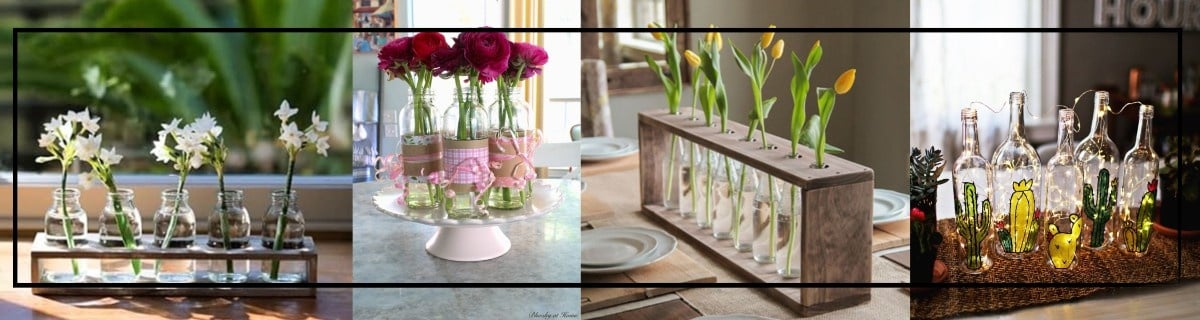
Single-stem styling works best when you want antique bottles to feel intentional without looking crowded. The image shows exactly why this method works. Each bottle holds just one stem. Nothing oversized. Nothing spilling outward. That restraint gives the arrangement its strength. The narrow bottle neck supports the stem naturally. Glass does the holding without extra foam, filler, or floral support. That material benefit matters because it keeps the setup cleaner and easier to maintain.
This is one of the simplest ways to turn old bottles into decor that feels thoughtful. It works especially well in Indian homes where compact spaces need visual lightness. A dining table. A study ledge. A window sill beside filtered sunlight. These spots need decor that adds detail without taking over. Single-stem styling solves that.
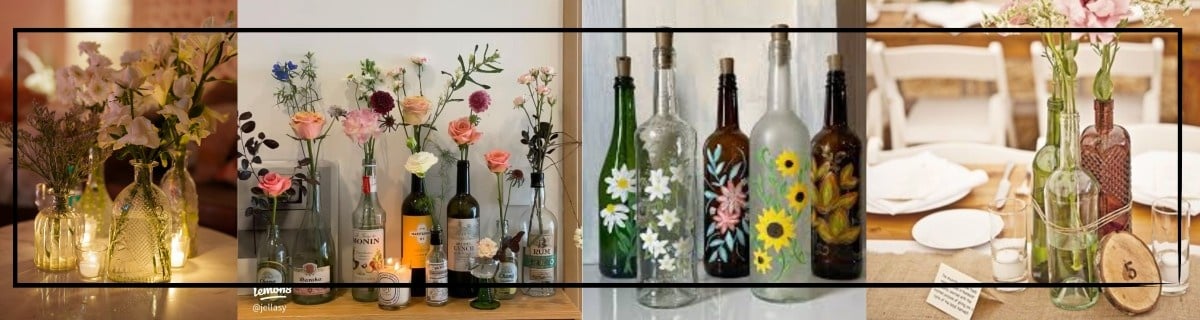
Height variation creates rhythm. The photo uses bottles of different proportions to keep the display moving visually. Some sit low. Some rise slightly taller. That uneven line feels natural. For Indian apartments, this works beautifully on console tables where wall space often feels flat. Green, amber, and clear glass all pair well here. The transparent material keeps the arrangement breathable even when grouped together.
One stem is enough. That is the rule. The image shows how individual blooms stand out when they are not competing for attention. A single rose. One carnation. A soft wildflower stem. This gives each bottle its own presence. It also makes flower replacement easier. That matters in Indian weather where fresh stems often fade faster during summer. You only replace what needs changing. Not the whole arrangement.
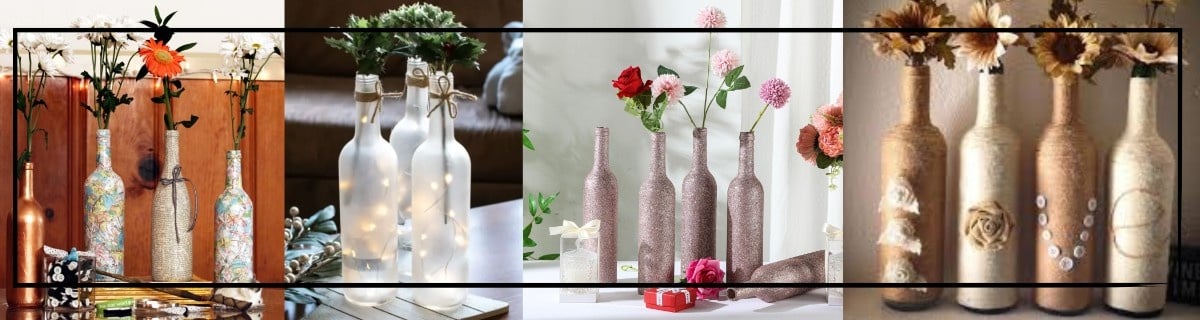
Texture adds quiet depth. Some bottles in the image carry smooth surfaces. Others show embossing and subtle pattern work. That variation catches light differently. Older glass often contains tiny air bubbles from traditional moulding methods. Those imperfections matter. They reflect light softly and make each vase feel distinct. This is why vintage glass performs better visually than mass-produced plastic decor.
Soft floral shades work best. The image leans toward blush pinks, whites, and gentle greens. That keeps the arrangement calm. For Indian interiors with teak furniture, cane accents, or neutral wall paint, this palette blends naturally. Bright mixed colours can overpower the bottle itself. Single-stem styling depends on balance. The flower should complement the glass. Not dominate it.
Three or five bottles usually create the best arrangement. The image follows this principle across each setup. Interior stylists often use odd-number groupings because the eye reads them more naturally. That is factual design logic. On dining tables or sideboards, this makes the display feel less rigid. More relaxed. More lived-in.
Natural light completes the look. Morning sunlight through glass creates subtle reflections across nearby surfaces. That is visible in the image. This works especially well near east-facing windows common in many Indian homes. The glass amplifies available light. The flower adds softness. Together, they create decor that feels simple but never empty.
The beauty of this method is its honesty. One bottle. One stem. One small corner transformed without effort.
Glass bottles work beautifully as taper candle holders when the form stays clean and the arrangement stays restrained. The image shows this clearly. Tall necks. Slim openings. Balanced spacing. That shape matters. A narrow bottle mouth grips candle bases more securely than wider jars. This natural support reduces wobbling and keeps the setup safer for indoor styling. That material benefit makes old glass ideal for this method.
Minimalist candle styling works especially well in Indian homes during evening hours. Dining tables during family dinners. Console styling during festive gatherings. Window ledges during Diwali. Soft candlelight through transparent glass creates reflection without visual heaviness. That is why this method feels calm. Not crowded. Not ornamental for the sake of decoration.
Choose bottles with similar height for a cleaner line. The photo uses repetition well. Matching proportions create rhythm across the display. Clear glass performs best. It reflects flame softly and keeps the arrangement visually open. Pair with white or muted beige taper candles. These tones blend naturally with wood, cane, and neutral interiors common in Indian spaces.
Keep spacing intentional. At least four inches between each holder works best. That reduces heat transfer. It also gives each flame room to stand out. A wooden tray beneath the bottles grounds the display beautifully. The contrast matters. Smooth glass above. Solid wood below. Simple materials. Strong balance.
One careful arrangement can shift an ordinary table into something quietly memorable.
Plant propagation works beautifully in vintage apothecary jars because glass lets growth stay visible. The photo shows why this method feels so satisfying. Clear jars. Fresh stems. Visible roots slowly forming below water. That transparency matters. It lets you track plant health without disturbing the cutting. Glass also resists moisture damage better than many decorative materials. That makes it practical for daily use.
This works especially well in Indian homes with money plant, pothos, or lucky bamboo cuttings. Place jars near indirect sunlight. A kitchen window works beautifully. The grouped arrangement in the image creates rhythm without clutter. Change water every five days. That simple habit prevents algae growth.
One quiet row of growing stems can turn an ordinary shelf into something living and intentional.
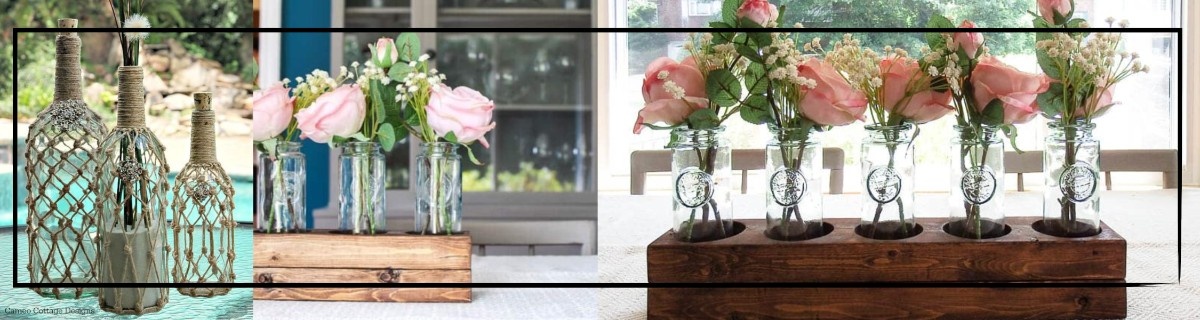
A matte or frosted finish works best when you want vintage bottles to feel softer and more sculptural. The image shows this beautifully. White-coated bottles instantly look calmer. More grounded. The surface diffuses light instead of reflecting it sharply. That material shift matters. Frosted or chalk-painted glass hides scratches and label marks better than untreated clear bottles.
This method works especially well in Indian homes with neutral walls, wooden consoles, or cane furniture. Keep the process simple. Clean the bottle fully first. Apply a primer. Then use chalk paint or frosting spray in thin coats. Two coats usually give even coverage.
The wrapped jute detail in the image adds texture. It also improves grip while handling. Pair these bottles with dried stems or single branches. The result feels quiet, balanced, and easy to style across seasons.
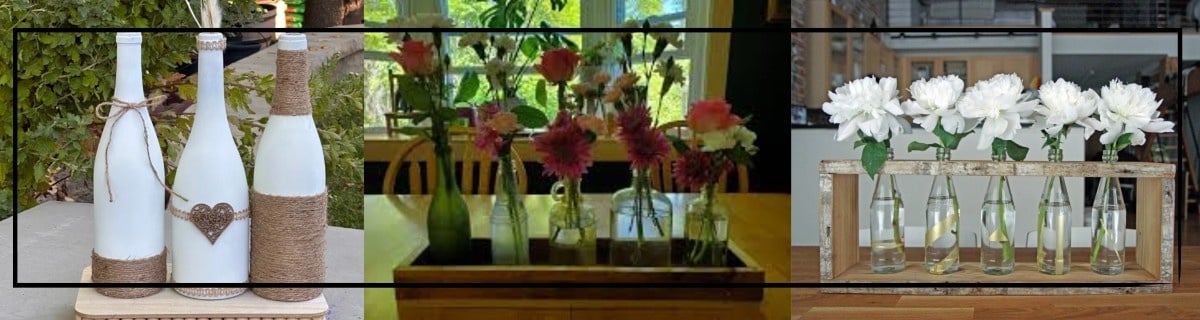
Clustered tablescapes work best when bottles create one connected visual story across the dining table. The image shows this clearly. Different bottle finishes sit together but still feel balanced. Matte white. Metallic texture. Soft shimmer. That mix matters. Glass keeps the arrangement visually light even when grouped closely. Unlike ceramic decor, it does not make the table feel heavy.
This method works beautifully for Indian dining setups during festive dinners, Sunday lunches, or small family gatherings. Keep bottles in odd-number groupings. Five usually works best. Interior stylists often follow this because the eye reads uneven arrangements more naturally.
Add flowers with varied stem height. That builds movement across the table. Keep colours coordinated. The grouped layout creates presence without blocking conversation. One thoughtful cluster can turn an everyday dining table into the rooms quiet focal point.
Minimalist botanicals work best when they let antique glass stay visible. That balance matters. The bottle should not disappear behind heavy foliage. The plant should not feel too sparse either. Good pairing creates quiet contrast. In Indian homes, antique glass often sits near filtered daylight. Window ledges. Console corners. Dining shelves. These spots need botanicals that hold shape without demanding maintenance. That is why simpler stems work better. They keep the arrangement light. They also allow the texture of old glass to show through.
Clear, amber, and green vintage bottles respond differently to each botanical. Colour, stem thickness, and leaf spread all affect the final look. Choose with intention.
Choose eucalyptus for soft structure. Its muted green tones sit beautifully against amber and clear bottles. The leaves create movement without looking wild. Dried eucalyptus also lasts for months in Indian indoor conditions. That makes it practical. Its natural oils carry a subtle scent too.
Choose pampas for height. Tall stems work well in floor-standing glass demijohns or oversized antique jars. The feathery texture softens hard corners. This works especially well in modern flats with straight architectural lines. Keep one or two stems only. Anything more feels bulky.
Choose olive branches for clean silhouette. Their narrow leaves create restraint. That matters in minimalist styling. Smoky glass bottles hold these especially well because the grey-green tones blend naturally. Fresh olive stems stay presentable for nearly a week with water.
Read More : The Complete Guide to Fashion Accessories- From Utility to Identity
Choose cotton for warmth. The soft white clusters contrast beautifully against darker antique glass. This pairing suits wooden furniture often found in Indian homes. Teak and sheesham especially. Cotton also works through every season.
Choose lavender for compact arrangements. Smaller antique medicine bottles pair well here. Its purple-grey tone adds colour without becoming loud. The dried stems hold shape for months. That makes them low effort.
Choose money plant for everyday styling. It grows easily in water. That makes it one of the most practical choices for Indian households. Clear vintage bottles show root growth beautifully. The glass becomes part of the display.
| Botanical | Best Glass Match | Material Benefit |
| Eucalyptus |
Amber bottles |
Long-lasting dried foliage |
| Pampas Grass |
Large clear jars |
Adds height without visual heaviness |
| Olive Branches |
Smoky grey glass |
Clean structured lines |
| Cotton Stems |
Dark green bottles |
Adds warmth and softness |
| Lavender |
Small embossed bottles |
Compact and low maintenance |
| Money Plant |
Transparent vintage bottles |
Water propagation visibility |
Minimalist botanical styling works because both elements stay honest. Natural stems. Aged glass. Nothing excessive. Just enough presence to make the space feel considered.
Authentic vintage glass is easiest to find where older objects still circulate naturally. The best pieces rarely come from polished showrooms. They come from places with history. Indian homes often pass objects through generations. Bottles move from kitchens to storage rooms, then to scrap dealers, then to local flea sellers. That cycle makes sustainable sourcing possible. You just need to know where to look.
Choose flea markets for variety. Cities like Delhi, Jaipur, Kolkata, and Mumbai still host strong second-hand markets. Lucknows older bazaars often carry forgotten household glass too. Look for embossed lettering. Check bottle thickness. Older glass usually feels heavier because manufacturers used denser material. That weight tells a story.
Choose household clearance sales for authenticity. Families often sell older storage pieces during renovations or relocations. This is where unusual coloured glass often appears. Blue medicine bottles. Green syrup containers. Heavy amber storage jars. These pieces often remain in better condition.
Choose fairs when you want curated selection. Prices run higher. The benefit is verification. Sellers usually know approximate age and origin. That helps buyers who value historical detail.
Choose home storage first. Indian households often keep forgotten glass tucked away in loft cabinets or old trunks. Ask around. The best bottle may already belong to your family. That adds emotional value no market can match.
Read More : From Pantry to Countertop: Modern Ways to Use Traditional Spice Boxes in Smart Kitchens
Inspect carefully. Look for chips around the rim. Run your fingers along the neck. Small bubbles are fine. They often confirm older moulding methods. Avoid major cracks. Glass weakens permanently once fractured.
Sustainable sourcing works because it extends material life. Glass does not degrade like plastic. A bottle made fifty years ago can still serve beautifully today. That is the real appeal. You are not just decorating. You are continuing the life of an object already built to last.
Glass bottle upcycling works best when simple household pieces get a second life with practical purpose. Most Indian homes already have bottles worth reusing. Pickle jars in the kitchen. Old syrup containers in storage. Medicine bottles tucked into drawers. The material already offers what good decor needs. Strength. Clarity. Long-term use. Unlike plastic, glass keeps its shape for years. It does not absorb colour easily. It handles repeated use with minimal care. That makes it one of the easiest materials to repurpose. These are the questions buyers usually ask before getting started.
Start with slow cleaning. That gives better results. Rinse the bottle with normal water to remove surface dust. Then soak it in warm water mixed with baking soda for a few hours. This loosens labels and dried residue. For stubborn adhesive, coconut oil works well. Let it sit. Wipe gently. Inside stains need vinegar and uncooked rice. Shake the bottle lightly. The grains scrub narrow spaces without scratching the glass. Avoid very hot water. Older bottles react badly to sudden temperature changes. That matters with thinner vintage pieces commonly found in older Indian households. Let the bottle air dry fully before use.
Choose bottles with visible character. Shape matters. Thickness matters too. Heavier glass usually performs better because it feels stable and lasts longer. Look for embossed text, soft colour tinting, uneven bubbles, or unusual neck shapes. These details often point to older production methods. Amber bottles work beautifully with warm wooden interiors. Clear bottles suit cleaner minimalist spaces. Green pharmaceutical glass pairs naturally with indoor plants. The biggest material advantage is durability. Good glass keeps its structure through years of styling changes.
Yes, but surface prep matters. Glass feels smooth. Paint needs grip. Clean the bottle with rubbing alcohol first. This removes oils and helps colour hold properly. Acrylic paint works for most indoor styling projects. Chalk paint gives a softer matte finish. If you live in humid cities like Mumbai, Chennai, or Kolkata, seal the surface after painting. That protects against peeling during monsoon months. Muted shades usually work better. They keep the bottle versatile for different decor moods.
One bottle can serve many purposes through the year. That is what makes glass useful. Tall bottles hold fresh stems. Wider jars work for fairy lights. Small medicine bottles become diffuser holders. Some buyers group three or four pieces for dining table styling. This flexibility suits Indian apartments well. Space often stays limited. Decor needs to adapt. A bottle can hold mogra in summer, dried grass in winter, and festive lighting during Diwali. The material stays relevant through every season.
Yes, because glass lasts. That is the biggest reason. Glass can take over one million years to break down naturally. Reusing even one bottle reduces disposal waste and delays replacement. That is measurable impact. Unlike short-lived synthetic decor, reused glass stays useful across changing trends. It also lowers unnecessary buying. The material already exists. The value comes from how you use it again.
Start at home first. That is often enough. Kitchen shelves and old storage cabinets usually hide useful pieces. Beyond that, local kabadi shops, flea markets, and household clearance sales offer strong options. Older Indian markets often carry thicker glass than many newer bottles. Check carefully before buying. Inspect the rim. Run your fingers along the neck. Small bubbles are fine. They often show older moulding methods. Avoid visible cracks. Strong glass with slight imperfections often becomes the most interesting decor piece. Sometimes the right bottle has been waiting unnoticed for years.






 SignIn / SignUP
 Forgot password
 My Orders
 My Wishlist
  My Wallet
 My Invitee
 Sell with us
 New Arrivals