Hand-hammered silver is silver shaped through repeated manual hammering. That process builds texture, strength, and quiet individuality. An artisan works directly on the metal using hand tools. Every strike leaves a subtle impression. No machine repeats that rhythm exactly. That is why each piece carries its own surface language. This method has deep roots in India. Silversmith communities still practice these techniques through family workshops. Some tools remain unchanged for generations. The making stays slow because precision asks for patience. The material benefit is immediate. Hammering hardens silver through compression. That makes the metal stronger for regular wear.
It also changes how the surface ages. Smooth polished jewellery often shows scratches quickly. Hand-hammered silver diffuses those marks across texture. Daily use blends into its character instead of standing out as damage. There is a visual difference too. Light does not bounce sharply from a hammered surface. It moves softly across it. The finish feels warmer, deeper, more lived-in. For buyers, this matters because jewellery should hold presence beyond the first wear. It should settle into your routine without losing its appeal. Hand-hammered silver does that naturally.
Sterling silver, marked 925, contains 92.5 percent pure silver. This composition gives the metal enough softness to shape and enough strength to endure. When artisans hammer that material by hand, the result becomes practical and lasting. There is another layer here. Factory-made jewellery often feels distant. Clean. Uniform. Predictable. Hand-hammered silver feels human. Its slight variations carry evidence of touch, process, and time. You notice that instinctively. That is what gives it value. Not perfection. Presence. For Indian buyers choosing with greater intention, this matters more than ever. Material honesty has become part of the decision. Hand-hammered silver answers that quietly, through the surface itself.
Read More : From Pantry to Countertop: Modern Ways to Use Traditional Spice Boxes in Smart Kitchens
Artisan jewellery is gaining attention because buyers are choosing depth over repetition. The shift is visible across Indias design-conscious circles. In cities like Mumbai, Delhi, and Bengaluru, handmade silver has moved beyond niche appeal. It now reflects a broader change in how people buy. The reason is simple. Mass production offers availability. Artisan work offers identity.
Factory-made jewellery often follows fast-moving trends. Pieces look familiar across brands. Many use plated finishes over base metals. With regular wear, those surfaces fade, peel, or lose brightness. Artisan jewellery works differently. Makers use stronger materials like sterling silver. The metal lasts longer because the value sits within the material itself, not just on its surface. That practical difference matters. Indian buyers often expect one piece to move across settings. Morning meetings. Evening gatherings. Festive dressing. Daily wear asks for resilience. Handmade silver responds well to that demand. It wears in, not out.
There is also a visible richness in artisan work. Hammered surfaces catch light unevenly. Oxidised details create depth. Hand-finished edges feel intentional. Machine-polished accessories can look flawless at first glance. Yet they often feel flat up close. Artisan jewellery holds attention longer because texture creates movement.
Another reason behind this shift is emotional connection. Buyers are asking more questions now. Who made this. What material was used. How was it shaped. Those questions reflect a stronger awareness of value. Artisan jewellery answers them clearly. Its process remains visible in the final piece. There is also renewed respect for Indian craft traditions. Buyers want contemporary forms, but they want them rooted in real making. That balance matters.
Mass production creates sameness. Artisan work creates memory. This is why hand-hammered silver continues to stand apart. It offers material strength, visual depth, and something increasingly rare in modern jewellery. A sense of presence you can actually feel.
Hand-hammered silver takes shape through heat, repetition, and exact human control. That process gives the metal strength you can feel. It begins with 925 sterling silver. This means 92.5 percent pure silver mixed with copper for durability. Pure silver bends too easily. This blend gives artisans a material that shapes well and holds form longer.
Then comes heat. Artisans melt the silver at temperatures above 890C. Once liquid, they pour it into moulds and let it cool slowly. This stage matters. Even cooling keeps the structure stable. After that, artisans flatten the metal. They roll it into sheets or bars depending on the design. Rings need thickness. Earrings need lightness. Bangles need balance.
Then the hammer enters. This is where silver begins to carry character. Artisans place the metal over anvils and strike it repeatedly. Every mark comes through judgment. Not automation. Too much force damages the silver. Too little leaves the texture weak. Each strike compresses the surface. This process is called work hardening. It makes the silver denser and stronger for daily wear.
As tension builds, artisans heat it again. This reheating process is called annealing. It softens the silver enough for continued shaping. Then the cycle repeats. Heat. Hammer. Shape. Repeat. Workshops in Jaipur and Cuttack often repeat this process several times for one piece. That is why handmade silver carries depth machines cannot create.
Once the shape feels right, artisans smooth edges by hand. This makes the jewellery comfortable against skin. Then comes finishing. Some artisans polish raised surfaces. Others add oxidation for contrast. This creates layers in the texture. Light moves differently across it.
The material benefit is practical. Hand-hammering creates silver that resists wear better. It hides minor scratches. It keeps its presence longer. What reaches your hands is not just jewellery. It is visible labour. Something shaped slowly enough to last.
Choose hand-hammered silver for durability and depth. Choose polished silver for sharp shine and cleaner structure. The choice depends on how you wear jewellery.
Hand-hammered silver has visible texture. Artisans build it through repeated strikes. The surface catches light softly and hides daily wear naturally. Polished silver feels smoother. Makers buff it until the surface reflects like glass. It looks brighter. Cleaner. More formal.
Both often use 925 sterling silver. The real difference is how they age.
If you wear jewellery often, hand-hammered silver works better. Its textured surface hides fine scratches. Daily handling blends into the finish. The piece gains character over time. That matters in Indian conditions. Humidity and dust affect silver surfaces. Textured finishes handle these changes more gracefully.
Polished silver asks for maintenance. Fingerprints show faster. Fine marks appear quickly. Regular buffing helps maintain shine.
There is also a styling difference. Hand-hammered silver feels grounded. It pairs naturally with cotton kurtas, linen shirts, handwoven sarees, and everyday layers. Polished silver feels sharper. It suits occasion wear and structured styling.
The material benefit of hand-hammered silver is simple. It lasts well under regular use and needs less visible upkeep.
Then there is the emotional side. Hand-hammered silver feels personal because no two surfaces match exactly. Every variation reflects the makers hand. Polished silver feels precise. Balanced. Controlled.
Some buyers prefer that clean finish. Others want texture with memory. Across design-led markets in Delhi and Mumbai, textured silver continues gaining attention because it feels more individual.
The decision is simple. Choose polished silver if you want brightness. Choose hand-hammered silver if you want presence that deepens with time. One reflects light. The other carries story.
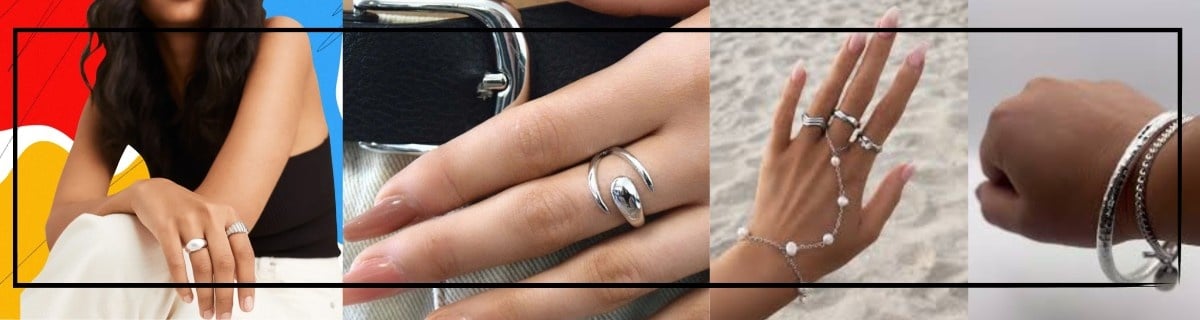
Hand-hammered silver works best when you let its texture speak naturally. The surface already carries depth. Styling should support that, not compete with it.
Hand-hammered silver looks strongest against natural textures. Cotton kurtas, linen shirts, mulmul dresses, and handwoven sarees create that balance. The contrast works because both materials carry visible character. A textured silver cuff with a crisp white cotton kurta feels effortless. Silver jhumkas with a soft linen sari create quiet detail without excess. The material benefit is practical too. Hand-hammered silver handles regular wear well. You can style it often without worrying about every minor scratch.
Texture responds beautifully to layering. Pair a slim hammered chain with a slightly heavier pendant. Stack fine rings beside one statement band. Mix smaller bangles with one broader cuff. The uneven surface catches light differently at each level. That creates movement. Across style markets in Delhi and Mumbai, layered silver continues gaining attention because it feels personal rather than over-styled. Keep one rule in mind. Let one piece lead. Too many statement textures can feel crowded.
Hand-hammered silver settles beautifully into routine wear. A single ring. Small hoops. One textured pendant. These pieces become part of your everyday rhythm. This is where the durability matters. Most hand-hammered jewellery uses 925 sterling silver. It handles daily use far better than plated accessories. Over time, the surface develops more character. It becomes yours.
Texture becomes more visible against clean lines. Wear hand-hammered silver with tailored blazers, monochrome co-ords, straight-cut dresses, or structured shirts. The polished structure of clothing allows the jewellerys irregularity to stand out. This styling works especially well for office dressing. It feels refined without looking predictable. The silver adds warmth to sharper silhouettes.
This is where hand-hammered silver feels most versatile. Style textured earrings with a chikankari kurta. Pair a hammered cuff with denim and a plain tee. Add silver rings to festive silk dressing. The material adapts because its finish sits between raw and refined. That flexibility gives better value to buyers. You are not buying jewellery for one occasion. You are buying something that moves with your wardrobe. That is what makes hand-hammered silver such an easy everyday choice. It does not ask for styling effort. It simply settles in.
Handcrafted silver makes sustainable buying practical because it stays useful for years.
That difference begins at the making stage. Mass-produced jewellery are products of machines, repeated moulding, synthetic finishes, and high-volume output. Handcrafted silver takes another route. Artisans work in smaller batches and shape each piece with direct attention. That lowers waste because every cut matters and every adjustment counts.
In traditional workshops across Jaipur and Cuttack, many silversmiths still reuse leftover filings and silver fragments during production. That reduces material loss.
The silver itself offers another clear benefit. Most handcrafted pieces are made from 925 sterling silver, which is 92.5 percent pure silver mixed with strengthening metals for durability.
Silver does not lose value when surface coating fades. You can polish it, restore it, and wear it again. That reduces replacement buying.
This is where sustainability becomes real for buyers. Buying fewer pieces that last longer creates less waste.
There is also a cultural benefit. Choosing handcrafted silver supports artisan communities and protects traditional Indian silversmithing. That matters.
Sustainability is not only about the metal. It is also about keeping skill alive.
Hand-hammered silver reflects this well. The process values patience over speed. The result gives you durability, repairability, and visible character.
For thoughtful buyers, the advantage is simple.
Buy once. Wear longer. Replace less.
That is what makes handcrafted silver worth choosing.
Useful today. Useful years later.
Yes, hand-hammered silver holds value because the material and workmanship both last.
Its value starts with the silver. Most quality handmade pieces use 925 sterling silver. That means 92.5 percent pure silver blended with strengthening metals. That composition matters. Unlike plated jewellery, sterling silver carries worth through the entire piece. The value does not sit on a thin outer layer.
Plated jewellery often loses appeal once coating fades. Sterling silver performs differently. You can polish it, repair it, and keep wearing it. That makes it a stronger long-term purchase.
The second layer of value comes from craftsmanship. Hand-hammered silver carries visible labour. Every strike leaves slight variation. No two pieces look exactly alike. That individuality matters to buyers. You are not only buying metal. You are buying human effort and time.
In artisan workshops across Jaipur and Udaipur, silversmiths often spend hours shaping one detailed piece. That slower process limits production. Limited production increases desirability.
There is also emotional value. Silver has deep cultural presence in Indian homes. Families often pass it across generations. A hand-hammered silver bangle or pendant ages well. Fine wear softens texture instead of damaging appeal. That gives it lasting relevance.
There is practical market value too. Silver remains important beyond jewellery. Industries use it in solar panels, electronics, and medical equipment. That keeps global demand steady.
But handcrafted silver offers something markets cannot measure fully. It carries story. It carries touch. For many buyers, that matters more than resale numbers.
The material benefit stays clear. Hand-hammered silver lasts longer, repairs easily, and develops character through use. That makes it a smarter purchase than trend-based fashion jewellery.
If you buy for one occasion, value may feel secondary. If you buy for years, it becomes essential.
That is where hand-hammered silver proves itself.
Not quick indulgence.
Built for ownership that lasts.
Read More : The Slow Cooking Revolution: Displaying Heirloom-Quality Kitchenware as Art
Silver trends are moving toward texture, scale, and visible individuality. Buyers want jewellery that feels expressive without feeling excessive. The strongest shift is toward imperfect finishes. Highly polished uniform surfaces are giving way to hammered textures, brushed effects, and oxidised detailing. These finishes feel more grounded. They also wear better. Textured silver hides small marks naturally, making it practical for frequent use. Across fashion-forward spaces in Mumbai and Bengaluru, this movement is already shaping buyer choices.
The second major trend is sculptural minimalism. This means clean forms with strong presence. Think broad cuffs with quiet texture, rounded rings with uneven surfaces, and earrings that rely on form rather than embellishment. The appeal is clarity. These pieces feel modern but not cold. Layering remains strong too, but the styling has shifted. Instead of heavy stacking, buyers now prefer fewer pieces with stronger individual identity. One textured chain. Two bold rings. A single statement cuff. This creates focus.
Mixed styling is also growing. Silver now moves more freely between traditional and contemporary wardrobes. Buyers pair hammered earrings with chikankari kurtas, then wear the same piece with oversized shirts or tailored co-ords. That versatility matters because it increases wearability. Another visible trend is matte oxidation. Artisans darken recesses slightly to create depth. This finish adds contrast without relying on stones or heavy ornamentation. The material benefit here is practical. Oxidised details reduce the visibility of everyday surface changes.
There is also stronger interest in heritage-inspired forms. Designers are drawing from Indian craft language while simplifying silhouettes for modern wear. This balance feels relevant. Not costume-like. Not overly formal. The reason these trends are growing is simple. Buyers want jewellery with presence, not noise. Silver fits this perfectly because it offers strength, adaptability, and quiet confidence. The strongest pieces today do not chase attention. They hold it naturally. That is exactly where handcrafted silver continues to stand apart.
Clean hand-hammered silver gently and often. Small care habits protect texture, preserve shine, and extend wear. Hand-hammered silver changes with time. That is part of its beauty. It develops depth instead of looking worn. But sterling silver still reacts to air, moisture, and daily contact. This reaction creates tarnish. That darkening is natural. Most quality pieces use 925 sterling silver. It also reacts to humidity. This becomes more noticeable during monsoon months in cities like Mumbai and Chennai. The good part is simple. Proper care keeps the silver looking strong without affecting its handmade surface.
| Care Step | Why It Matters | Material Benefit |
| Wipe after wear |
Removes oils and moisture |
Slows tarnish |
| Store in soft pouches |
Reduces air contact |
Protects texture |
| Remove before swimming |
Chlorine affects silver |
Preserves finish |
| Avoid direct perfume contact |
Chemicals trigger oxidation |
Maintains surface clarity |
These habits take minutes. They save years of unnecessary wear.
Read More : Small Details, Big Impact: Why Cast Iron Door Stoppers are the New 'Hidden' Decor Trend
Buy from transparent sellers who show proof of purity and process. Authentic silver always carries visible evidence. The first thing to check is hallmarking. In India, BIS hallmark certification confirms silver purity. Genuine sterling silver usually carries the 925 stamp. That mark matters. It confirms the piece contains 92.5 percent silver. Without it, quality becomes uncertain. Surface beauty alone proves nothing.
Clear answers reflect real transparency. The material benefit is straightforward. Authentic hand-hammered silver lasts longer, restores easily, and holds its visual depth over time. Buyers often notice design first. Look deeper. Real value lives in material honesty, visible texture, and craftsmanship you can actually recognise.






 SignIn / SignUP
 Forgot password
 My Orders
 My Wishlist
  My Wallet
 My Invitee
 Sell with us
 New Arrivals