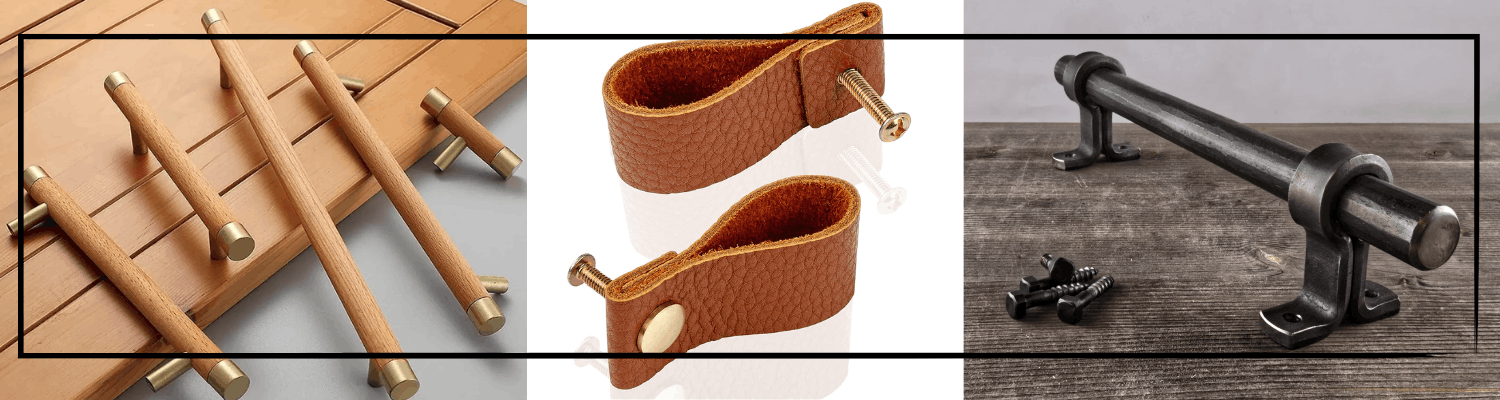
Basic furniture changes fast when you switch to hand-forged knobs and leather pulls. The shift feels immediate. You touch better materials every day. Solid brass knobs add weight and control. They resist corrosion in Indian humidity. Artisans hammer each piece, so no two look identical. That irregularity adds character without shouting. Leather pulls soften hard edges. They suit wardrobes, bedside units, and study tables. Full-grain leather ages well. It develops a darker patina with use, not cracks. In Indian homes, daily handling matters. Sweat, dust, and frequent cleaning test hardware. Brass handles handle it. Leather stays comfortable in summer heat. You avoid the cold shock of metal at night.
Installation stays simple. You can upgrade within an hour. No carpentry needed. Small change. Clear impact. Storage feels easier to use. Drawers open with less slip. Grip improves, especially for elders. The look also moves from flat to layered. Wood, metal, and leather create contrast. That contrast reads premium without high spend. You control the budget by replacing only front-facing pieces. Keep internal hardware as is. Start with the most used units. Kitchen drawers. Bedroom wardrobes. Study desks. The result feels intentional. Not loud. Not overdone. Just better to use, every single day.
Hardware jewelry means you treat knobs and pulls like accessories for furniture. You upgrade basics into something personal. You change only the touchpoints. The result feels custom without full renovation. Think of a plain wardrobe. Swap factory knobs for solid brass pieces. The surface stays same. The experience improves. That is micro-luxury. Small spend. Daily impact. In India, this works well with modular units. Many homes use factory-finished boards. Hardware becomes the quickest upgrade layer. You avoid repainting or laminates.
Material does the heavy lifting. Solid brass adds weight. It improves grip and control. It resists rust in coastal humidity. Copper warms faster to touch. It feels softer in winter mornings. Iron brings a darker, grounded look. It suits teak, walnut, and matte laminates. Leather pulls add comfort. They reduce noise on closing drawers. They feel better in hot weather. No cold shock at night.
This trend mirrors fashion thinking. You keep the base simple. You invest in accents. A basic chest becomes expressive with better knobs. A study desk feels premium with stitched leather pulls. You can mix finishes. Brass on top drawers. Leather on lower units. The eye reads contrast. The hand feels quality. Both matter.
Budget control stays clear. Replace front-facing pieces first. Kitchen drawers. Wardrobe shutters. Bedside units. Skip hidden areas. You get 70 percent visual change with 30 percent cost. That is the core idea. Treat hardware like jewelry. Wear it where it shows. Touch it where it counts.
Read More : The Rise of 'Dopamine Decor' : Why Your Living Room Needs One Bold Conversation Starter
Hand-forged metals feel different because artisans shape them with heat and hammer. You see slight marks. You feel uneven edges. That is not a defect. That is proof of work. Each piece carries variation. Mass-cast hardware looks identical. It feels lighter. Edges turn too smooth. Grip slips more.
Weight is the first signal. A solid brass knob feels dense in hand. It anchors the drawer. It reduces wobble over time. Good brass also forms a patina. It darkens with air and touch. This change protects the surface. You do not need frequent polishing. In Indian kitchens, that helps. Less maintenance. More use.
Copper behaves differently. It reacts faster with moisture. It develops deeper tones. From pink to brown. Some spots turn almost chocolate. This suits rustic or warm palettes. It pairs well with cane, rattan, and oak tones. It also feels warm to touch. Good for early mornings.
Iron brings strength and contrast. Blackened iron looks sharp on light laminates. It suits industrial or farmhouse themes. Forged iron shows hammer marks clearly. Those marks catch light. They add depth on flat boards. Powder-coated cast iron looks uniform. It chips over time. Forged finishes wear more gracefully. They age, not peel.
Joinery and fixing also differ. Hand-forged pieces often use thicker stems. They hold better in MDF and plywood. Threads feel tighter. Less play after months of use. Mass pieces use thinner rods. They loosen faster with daily pulling.
Choose finish based on use. Satin brass for kitchens. It hides fingerprints. Aged copper for living areas. It adds warmth. Black iron for wardrobes. It grounds tall shutters. Match with your wood tone. Light boards need contrast. Dark boards need warmth.
The value sits in touch and time. You feel the difference every day. You see it change slowly. That is the point. Not flashy. Not loud. Just real material doing its job, better.
Leather pulls add warmth because natural fibres hold heat and feel soft on contact. They reduce sharpness in hard furniture. They suit bedrooms and study zones. Touch matters here.
Vegetable-tanned leather ages best for daily use. Artisans tan it using plant extracts. No harsh chrome salts. The surface starts light. It darkens with handling. Your hands guide that change. Oils and friction build a patina. Each pull records use. No two age the same.
Raw leather feels firmer at first. It softens within weeks. Bending improves. Grip becomes easier. This works well on heavier drawers. You get control without strain. In Indian summers, this comfort stands out. Metal can feel hot. Leather knobs stays neutral.
Thickness matters. Choose 2.5 mm to 4 mm for durability. Thinner straps stretch early. Thicker straps hold shape longer. Stitching also counts. Waxed thread resists moisture. It prevents fraying near folds.
Edge finishing affects longevity. Burnished edges resist peeling. Painted edges look neat but chip with time. Go for burnished if usage is high. Kitchens and wardrobes need that.
Mounting style changes the look. Loop pulls feel casual. They hang slightly. Flat strap pulls look cleaner. They sit tight against the surface. Pick based on shutter style. Flat panels suit straps. Routed panels suit loops.
Hardware pairing matters. Use solid backplates or washers. They spread load. They prevent screw pull-out in MDF. A standard M4 screw works for most boards. Length depends on panel thickness. Usually 2228 mm for Indian modular units.
Colour shifts add depth. Tan moves to honey, then deep brown. Black leather gains a soft sheen. Not gloss. A low, natural shine. This slow change keeps the furniture alive. You notice it over months. Not overnight.
Maintenance stays simple. Wipe with a dry cloth weekly. Apply a light leather conditioner every three months. Avoid excess oil. It can stain adjacent laminate. Keep it minimal.
You choose leather for feel and aging. It rewards use. It does not stay static. That is the appeal.
Follow these steps to replace knobs cleanly and avoid damage. Precision saves time.
Step 1: Confirm existing hole type.
Single hole for knobs. Two holes for handles. Check before buying. Avoid mismatch.
Step 2: Measure center-to-center distance.
Use a scale or caliper. Measure from hole center to hole center. Common sizes: 96 mm, 128 mm.
Step 3: Check board thickness.
Most shutters use 16 mm or 18 mm boards in India. This decides screw length.
Step 4: Select correct screws.
Use M4 machine screws for most hardware. Length should exceed board thickness by 24 mm.
Step 5: Remove old hardware.
Hold the front piece. Unscrew from the back. Avoid spinning. It can chip laminate.
Step 6: Clean and inspect holes.
Look for wear or widening. Tight holes hold better. Loose holes need fixing.
Step 7: Fill damaged holes if needed.
Use wood filler or fevicol with sawdust. Pack tightly. Let it dry fully. Sand flat.
Step 8: Mark new positions clearly.
Use masking tape on the surface. Mark points with a pencil. Tape prevents chipping.
Step 9: Drill pilot holes.
Use a 23 mm bit for pilot. Keep drill straight. Low speed works best.
Step 10: Prevent splintering.
Place scrap wood behind the panel. Drill through slowly. This supports exit fibres.
Step 11: Install new hardware.
Insert screws from the back. Align front piece. Tighten by hand first. Then snug with a screwdriver.
Step 12: Check alignment and feel.
Open and close multiple times. Ensure smooth action. Adjust if needed. Do not overtighten.
This process keeps edges clean and fit secure. Small care here avoids visible damage.
Right pairing works because material, finish, and form echo the eras design language. You get cohesion without changing the whole piece. Small swaps. Clear identity.
| Furniture Era / Style | Hardware Choice | Finish Direction | Why It Works | Best Use in Indian Homes |
| Mid-Century Modern |
Slim leather pulls |
Matte black or deep brown |
Clean lines stay intact. Leather adds grip without visual clutter. |
Teak sideboards, TV units, study desks |
| Rustic Farmhouse |
Forged iron handles |
Blackened or oil-rubbed |
Visible hammer marks add depth. Strong contrast on light wood. |
Solid wood wardrobes, kitchen shutters |
| Art Deco |
Solid metal knobs |
Brushed or satin brass |
Geometric forms shine. Brass reflects light softly. |
Bar cabinets, dressing units |
| Industrial Loft |
Flat bar pulls |
Gunmetal or dark iron |
Straight profiles suit raw finishes. Tough build handles heavy drawers. |
Loft-style kitchens, workstations |
| Scandinavian |
Loop leather pulls |
Natural tan |
Light woods need warmth. Leather keeps the look airy. |
Birch or pine storage, kids rooms |
| Colonial Indian |
Turned metal knobs |
Antique brass |
Traditional forms match carved details. Finish hides daily wear. |
Carved almirahs, pooja units |
| Contemporary Minimal |
Micro knobs or tabs |
Satin nickel or black |
Low-visual hardware keeps surfaces clean. Easy finger grip. |
Gloss laminates, handle-less kitchens |
| Bohemian |
Mixed materials |
Aged brass + tan leather |
Layered textures feel relaxed. Mix without strict symmetry. |
Open shelves, bedside units |
Scale matters. Match handle length to drawer width. Use 96 mm for small drawers. Use 128160 mm for wider fronts. This keeps proportions right.
Finish pairing matters. Warm woods like teak suit brass and tan leather. Cool laminates suit black and nickel. You avoid colour clash.
Usage matters. Kitchens need finishes that hide marks. Satin and brushed options perform better than mirror polish. Bedrooms can take softer materials. Comfort over shine.
Fixing detail matters. Use backplates on soft boards. They spread load. They reduce screw pull-out over time. This improves longevity with daily use.
Upgrading hardware saves money because you change only the contact points. Structure stays same. Spend stays controlled.
| Cost Factor | New Furniture | Hardware Upgrade |
| Initial Spend |
High. Full unit cost. |
Low to medium. Per-piece cost. |
| Time Required |
26 weeks delivery common. |
12 hours install at home. |
| Labour |
Transport, assembly, possible carpentry. |
Basic tools. Screwdriver and drill. |
| Disruption |
Room unusable during change. |
Minimal. Work happens in place. |
| Custom Look |
Limited unless you pay more. |
High. Mix finishes per room. |
| Material Benefit |
Depends on brand tier. |
You choose solid metals or leather directly. |
| Maintenance |
New finish, unknown wear pattern. |
Proven boards. Only touchpoints change. |
| Sustainability |
Old unit often discarded. |
Reuse existing furniture. Less waste. |
Typical numbers help. A mid-range wardrobe can cost 25,000 to 80,000. Hardware swap for the same unit may cost 1,500 to 6,000. Range depends on count and material.
Durability improves at the hand level. Better knobs reduce slipping. Strong threads hold tighter in boards. You open drawers with less effort.
Risk stays low. If you dislike the look, you can switch again. Holes remain standard. No major loss.
Value shows daily. You touch hardware dozens of times. Upgrade that point. You feel the difference every use.
Regular care keeps finish stable and grip consistent. You avoid early wear. You extend life with simple routines.
Follow this routine once a week and once a quarter:
- Wipe metal with a dry microfiber cloth. Removes dust without scratching.
- Use mild soap and water for deeper cleaning. No acidic cleaners. They strip finish.
- Dry immediately after cleaning. Standing water leaves marks on metal.
- Apply a thin wax layer on brass every 3 months. Slows darkening. Keeps tone even.
- For iron, rub a drop of light machine oil. Prevents rust in humid regions.
- Check screws during cleaning. Tighten gently. Daily pulling can loosen threads.
- Clean leather with a dry cloth weekly. Sweat and dust build up fast.
- Use a neutral leather conditioner quarterly. Keeps fibres flexible. Prevents cracks.
- Avoid excess oil on leather. It can stain nearby laminate edges.
- Keep hardware away from bleach and phenyl. Common Indian cleaners damage finishes.
Brass changes colour over time. You can slow it, not stop it. Wax creates a barrier. It reduces air contact. This keeps the surface stable longer.
Iron needs protection in coastal cities. Humidity stays high for months. A light oil film blocks moisture. It reduces orange rust spots near edges.
Leather reacts to climate. Dry winters in North India can stiffen it. Conditioning restores flexibility. In humid areas, avoid over-conditioning. Too much oil attracts dust.
Handle with dry hands when possible. Water and salt speed up wear. Small habit. Big difference.
These changes work because you upgrade only the interaction points. Visual shift feels large. Cost stays controlled.
Before: Plain laminate doors. Small plastic knobs.
After: Long metal handles across shutters.
Result: Taller visual lines. Easier pull on large doors. Works well for 7-foot wardrobes common in Indian bedrooms.
Before: Short handles. Slippery grip with wet hands.
After: Wider bar pulls with better clearance.
Result: Strong grip during cooking. Less slip with oil or water on hands. Daily use improves immediately.
Before: Tiny knobs. Hard to grab while seated.
After: Front-mounted leather pulls.
Result: Softer touch. Quiet opening during late-night work. Useful for shared rooms.
Before: Mixed, worn knobs. Uneven alignment.
After: Uniform metal knobs with proper spacing.
Result: Clean rhythm across drawers. Better alignment improves opening balance. Standard spacing like 96 mm keeps symmetry.
Before: Handle-less shutters. Finger marks on glossy panels.
After: Minimal tab pulls added at edges.
Result: Fewer smudges. Easier access. Surface stays cleaner longer.
Placement drives impact. Center knobs on small drawers. Use dual pulls on wide fronts above 600 mm. This reduces stress on hinges.
Finish contrast creates drama. Dark handles on light boards stand out. Warm tones on dark boards add depth. Choose based on existing colour.
Start with one room. Test the feel. Then extend to others. The change builds gradually. You stay in control of budget and look.
You find authentic pieces by checking maker transparency, material specs, and finish details. Clear listings signal real work. Vague listings usually hide mass production.
Start with artisan marketplaces. Etsy hosts small workshops. Filter by hand-forged and vegetable-tanned. Read shop policies. Look for process photos. Makers who show hammering or cutting steps usually produce in-house.
Check boutique hardware stores.IndianShelf, The White Teak Company and Orange Tree often stock curated handles. You get consistent sizing and easier returns. Good for first-time buyers.
Explore Indian design marketplaces. Jaypore lists leather goods from regional makers. CraftsVilla carries metal hardware with traditional finishes. Expect variation. That is part of the appeal.
Look for independent blacksmiths locally. Search within your city clusters. In Maharashtra, Kolhapur and Pune have small metal workshops. Visit if possible. You can feel weight and finish in person.
Verify material honestly. Ask for solid brass, not brass finish. Ask for leather type. Vegetable-tanned ages better than bonded leather. Request thickness in millimetres. 3 mm straps hold shape longer on drawers.
Check hardware details. Confirm screw type and size. M4 threads remain standard for most cabinets. Ask for included screws. This avoids last-minute trips to the market.
Read reviews for wear patterns. Look for mentions of colour change, loosening, or edge wear. Real feedback helps more than product photos.
Order a small batch first. Test on one unit. Check grip, clearance, and comfort. Then scale your purchase. This reduces mismatch risk.
Read More : Biomorphic Forms: How Curved Sculptures are Softening the Modern Home
You can make clean leather pulls with basic tools and one hour of work. The process stays simple. Results feel personal.
Materials you need:
- Vegetable-tanned leather strip, 3 mm thick. Brass Chicago screws, 4 mm post. Steel ruler. Cutter. Hole punch. Sandpaper.
Steps to follow:
- Measure required length. Common finished loop length is 4060 mm. Add 20 mm for fold.
- Mark cut lines with a pencil. Use a steel ruler for straight edges.
- Cut the strip cleanly. One firm pass reduces jagged edges.
- Round the corners slightly. This improves comfort during pull.
- Sand edges lightly. Smooth edges prevent fraying with use.
- Mark hole points at both ends. Keep equal distance from edges. Around 810 mm works well.
- Punch holes using a 4 mm punch. Keep pressure vertical. Clean holes hold screws better.
- Fold the strip into a loop. Align holes carefully.
- Insert Chicago screws from the front. Tighten from the back. Use a coin for grip.
- Test the pull on a sample board. Adjust length if needed before final install.
Installation tip:
- Drill a pilot hole of 3 mm in the panel. This prevents splitting. Keep drill speed low.
Finish option:
- Apply a light leather balm. It deepens colour slightly. It also improves flexibility. Avoid heavy oil. It can bleed onto laminates.
Why this works:
- Leather flexes under load. It reduces strain on screws. It also feels quieter than metal on drawers. You get comfort and control together.
Start with one drawer. Learn the spacing and feel. Then repeat across the unit for a consistent look.
Read More : Reflecting Elegance: How to Pair a Vintage Venetian Mirror with Moody Color Palettes
Hardware jewelry works because small, deliberate upgrades change how furniture looks and feels every day. You focus on touchpoints, not full replacement. Solid metals add control and durability. Leather adds comfort and quiet use. Both age with time, not against it. This suits Indian homes where usage stays high and conditions vary. You manage cost by upgrading only visible areas. You keep existing units and reduce waste. Installation stays simple, mostly standard fittings and basic tools. The result feels personal, not generic. Each handle, each pull, adds character through use. Not loud. Not forced. Just better function, better feel, and a space that responds to you daily.






 SignIn / SignUP
 Forgot password
 My Orders
 My Wishlist
  My Wallet
 My Invitee
 Sell with us
 New Arrivals