The front door shapes first judgement within seconds. People decide fast. In seconds, a visitor forms an opinion about a home. The door sits at eye level. It becomes the face. Not the walls. Not the balcony.
A solid, well-finished door signals care. A neglected one signals compromise. Buyers read this subconsciously. Guests feel it without naming it. In Indian homes, the entrance carries emotion. It is where rangoli sits. Where torans hang during Diwali. Where relatives pause before entering.
Material plays a silent role. Brass hardware feels warm to touch. It ages slowly. Gains a soft patina. That patina suggests time, stability, permanence. A door knocker is small. But not invisible. It becomes a focal point on plain shutters. It adds weight. Visual and physical. You feel it when you lift it. That matters.
There is also a financial angle. Studies from property platforms show good curb appeal can increase perceived home value by 57%. Not renovation. Not rebuild. Just presentation. In Indian cities like Pune, Bangalore, or Delhi NCR, resale buyers often judge maintenance first. Before layout. Before carpet area. The entry sets that tone.
Color and metal pairing matters. Dark teak door with brass knocker. Strong contrast. White laminate with matte black. Modern tone. Mismatch breaks rhythm instantly. Maintenance tells a story too. Brass needs occasional wiping. Not constant polishing. That low effort keeps it practical for Indian dust conditions.
Think of the door as a handshake. Firm. Clean. Intentional. A weak handshake stays in memory for the wrong reason. So the logic is simple. You are not decorating. You are communicating.
Brass wins on longevity and ease. Cast iron wins on raw strength and cost. Brass resists rust naturally. It performs well in coastal humidity like Mumbai or Chennai. Cast iron is strong but prone to rust. It needs coating, especially in monsoon-heavy regions.
Brass needs low effort. Wipe with dry cloth. Occasional polish if you want shine. Cast iron needs high effort. It requires regular anti-rust care or repainting. Brass has medium weight. It feels solid without stressing door surface. Cast iron is heavy. It can strain thinner wooden or flush doors over time.
Brass has a warm golden tone. It ages into a rich patina. It works with both classic and modern doors. Cast iron has a dark, rugged look. It suits industrial or traditional heavy gates. Brass stays stable in Indian heat and humidity cycles. It does not flake. Cast iron expands, contracts, and corrodes if exposed. It needs protection.
Brass has a higher upfront cost. Its long life reduces replacement cost. Cast iron has a lower upfront cost. Its maintenance adds hidden cost. Brass suits most Indian homes. Especially apartments and independent houses with wooden doors. It balances beauty and practicality.
Cast iron fits specific use. Farmhouses. Heavy gates. Exterior grills. Places where weight is not a concern. There is also a tactile difference. Brass feels smoother. Softer on impact. Cast iron feels harsher. More industrial. If you want less upkeep, choose brass. If budget is tight and look is rustic, iron works. So the decision is not just visual. It is about climate, usage, and effort you are willing to give.
| Factor | Brass | Cast Iron |
| Durability |
Resists rust naturally. Performs well in coastal humidity like Mumbai or Chennai. |
Strong but prone to rust. Needs coating, especially in monsoon-heavy regions. |
| Maintenance |
Low effort. Wipe with dry cloth. Occasional polish if you want shine. |
High effort. Requires regular anti-rust care or repainting. |
| Weight |
Medium weight. Feels solid without stressing door surface. |
Heavy. Can strain thinner wooden or flush doors over time. |
| Aesthetic Appeal |
Warm golden tone. Ages into a rich patina. Works with both classic and modern doors. |
Dark, rugged look. Suits industrial or traditional heavy gates. |
| Weather Performance |
Stable in Indian heat and humidity cycles. Does not flake. |
Expands, contracts, and corrodes if exposed. Needs protection. |
| Cost Range (India) |
Higher upfront. Long life reduces replacement cost. |
Lower upfront. Maintenance adds hidden cost. |
Read More : Biomorphic Forms: How Curved Sculptures are Softening the Modern Home
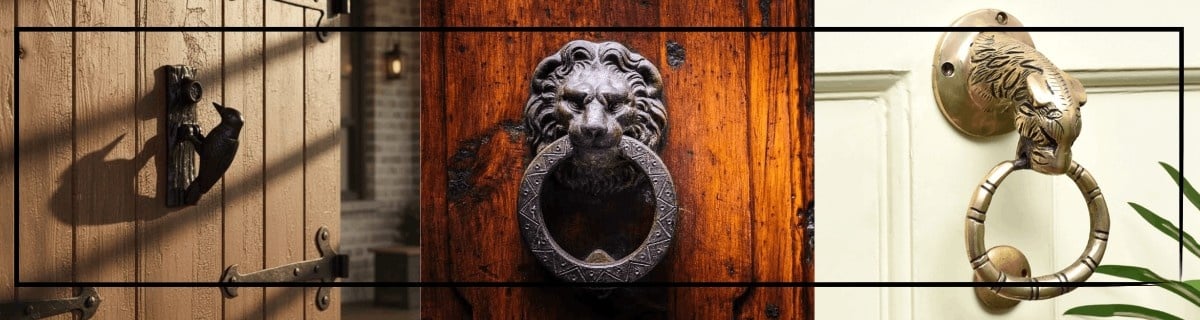
Door knockers began as signals of identity, not decoration. Early homes used knockers as communication tools. Sound mattered. Shape mattered more. Visitors read status before the door opened.
The lions head stands for authority and protection. Old European homes used it to signal power. In Indian villas, it still feels commanding.
The Claddagh design carries a different message. Hands hold a heart. A crown sits above. It signals love, loyalty, friendship. Rare in India, but rising in boutique homes. The fox form feels clever and alert. Antique collectors prefer it. It suits homes that avoid predictable motifs.
In Rajasthan havelis, large metal knockers showed wealth. Bigger size meant stronger doors. Stronger doors meant security and status.
Material choice always backed the symbol. Brass lasted longer in humid regions. Iron worked in dry climates but needed upkeep. Sound was never random. Heavier metals produced deeper knocks. That depth gave presence. Light metals sounded weak. Visitors noticed.
Religious influence shaped designs too. Some Indian doors used motifs linked to guardianship. Not always literal. Sometimes abstract forms. Colonial India brought mixed styles. British patterns met local carving. You still see hybrids in old bungalows of Kolkata and Mumbai. Collectors today look for age marks. Patina, minor dents, surface wear. These are not flaws. They prove time.
Original vintage knockers often used solid casting. No hollow backs. That increased weight and durability. So a knocker is never just hardware. It carries story, symbol, and signal. Buyers feel that depth, even if they cannot explain it.
The right match makes the door feel complete. The wrong one feels forced.
- Traditional Indian homes: Use bold brass forms. Think lion heads or large circular rings. They suit carved wooden doors.
- Colonial bungalows: Choose symmetrical designs. Medium-sized brass knockers work best with paneled shutters.
- Modern apartments: Go minimal. Clean lines. Slim brass bars or geometric shapes fit flush doors.
- Farmhouses: Pick heavier forms. Slightly rugged finish. Brass with a matte tone works better than polished shine.
- Luxury villas: Use statement pieces. Larger scale. Detailed forms. They hold presence on tall entrance doors.
- Compact urban flats: Keep size controlled. Small to medium knockers avoid visual clutter on narrow doors.
- Dark wood doors: Pair with warm brass. The contrast stays sharp and visible even in low light.
- Light laminate doors: Choose softer finishes. Satin brass or muted tones prevent harsh contrast.
- Glass-panel doors: Avoid heavy knockers. Use lighter designs to prevent stress on fittings.
- High-traffic entrances: Pick solid brass. It handles repeated use without loosening or surface damage.
Standard Indian main doors range from 30 to 36 inches wide. Knocker size must scale within that width.
The rule stays simple. Match weight with door strength. Match style with architecture. Match finish with surrounding hardware.
Installation follows marking, drilling, fixing, and tightening. Clean alignment. No guesswork.
Place the knocker at eye level. Usually 4.5 to 5 feet from the floor. Hold it steady. Mark screw holes with a pencil. Check alignment once more. Crooked hardware looks off, even on a solid teak door. This placement keeps reach natural for daily use.
Use a drill bit smaller than the screw diameter. Drill slowly. Keep the angle straight. For hardwood doors common in Indian homes, apply steady pressure. A small pilot hole helps screws enter without force.
Align the knocker with drilled holes. Insert screws or through-bolts depending on the design. Hold the front plate tight while fixing. Proper fixing keeps the knocker steady through repeated knocks.
Use a screwdriver. Avoid over-tightening. Too much force can strip threads or damage the finish. Controlled tightening keeps the surface clean and intact.
Lift and release the knocker. Check for smooth motion and solid contact. No wobble. No dull sound. A clean strike gives a clear, sharp knock.
You can clean brass and iron using simple kitchen items. Brass reacts fast with air. It darkens. Iron reacts with water. It rusts. The method changes because the metal behaves differently. You need four basic things. White vinegar. Baking soda. Lemon. A soft cloth. Add mild dish soap if grease sits on the surface. That is enough for most Indian homes. Start with dry dust removal. Always. Use a soft cotton cloth. Remove loose particles. This prevents scratches during wet cleaning.
For brass, mix lemon and salt. Rub gently. The surface lightens within minutes. Rinse quickly. Do not soak. Dry immediately. Brass stains when water sits. For iron, skip acids first. Use a dry brush to remove loose rust. Then apply a baking soda paste. Rub slowly. Wipe with a damp cloth. Dry fully. Iron punishes delay. Material benefit is simple. Brass keeps its warm glow longer. Iron stays structurally strong. No flaking. No deep corrosion. One factual detail matters here. Brass tarnish is oxidation, not dirt. Rust on iron is active corrosion. That is why water control is critical for iron, not optional.
You remove heavy tarnish by breaking the oxidation layer, not by scraping the metal. Use vinegar and flour paste. One spoon vinegar. One spoon flour. A pinch of salt. Apply and leave for ten minutes. No more. Wipe gently. Rinse. Dry fast. If the brass is lacquered, stop. Do not use acids. You will strip the coating. Use only soap water and a cloth. Avoid steel wool. Always. It scratches brass deeply. Once scratched, the shine becomes uneven. You cannot reverse that at home.
For carved pieces, use an old toothbrush. Soft bristles. Work into grooves. Do not flood the area. Material benefit shows after one proper clean. Brass regains its natural yellow tone. Not artificial shine. Real depth. Factual grounding. Most solid brass hardware in Indian homes is 6070% copper. That is why acids react quickly and must be controlled.
You remove rust by loosening it first, then neutralising the surface. Start dry. Use a wire brush or coarse cloth. Remove flaky rust. Do not rush. This step decides the result. Then apply a paste of baking soda and water. Let it sit for fifteen minutes. Scrub lightly. Wipe clean. For stubborn rust, use vinegar soak. But only for small parts. Not fixed fittings. Soak for one hour. Brush. Rinse. Dry immediately.
After cleaning, apply oil. Mustard oil works. Even machine oil works. This seals the surface from moisture. Material benefit is long-term strength. Iron stops shedding layers. Hinges move smoother. Knockers sound solid again. Factual detail. Rust expands the metal surface. It can increase volume by up to 67 times. That is why fittings jam over time.
You should never use harsh chemicals, bleach, or abrasive pads. Bleach stains brass permanently. It leaves pale marks. Irregular. Ugly. Acid toilet cleaners destroy both metals. Fast. One mistake is enough. Avoid soaking iron in water. Even for cleaning. It invites rust instantly. Avoid polishing machines unless you know the finish. They remove material, not just dirt. Material benefit of avoiding damage is simple. Your hardware lasts years longer. Replacement cost drops.
You clean lightly every two weeks. You deep clean every three to six months. Indian dust is fine. It settles into grooves. Coastal air speeds up corrosion. Monsoon adds moisture load. Wipe dry during monsoon weeks. That alone reduces rust formation. Material benefit is consistency. You avoid heavy buildup. Cleaning becomes faster each time. Factual detail. Humidity above 60% accelerates oxidation and rust. Many Indian regions cross this during monsoon.
Brass is easier to clean. Iron is easier to protect. Brass needs frequent wiping. But cleaning is quick. Results show instantly. Iron needs less frequent cleaning. But protection matters more. Oil or coating is not optional. If you prefer low effort, choose brass. If you prefer rugged feel, choose iron but commit to care. Material benefit depends on your routine. Not just the product.
Dry them after every contact with water. No exception. That one habit reduces 70% of common problems. Tarnish slows. Rust delays. Cleaning becomes maintenance, not repair. It sounds small. It is not. It decides how your hardware ages.
Brass rings. Iron thuds. The difference is immediate, physical, almost nostalgic. Brass produces a sharp, bright note. It travels. You hear it across rooms. It feels alert. Crisp. Slightly formal. Iron produces a deep, muted thud. It absorbs vibration. The sound stays close. It feels grounded. Heavy. Quietly confident.
The thickness changes everything. A heavier iron knocker deepens the tone. A hollow brass piece sounds lighter, sometimes tinny. Fixing method matters too. Loose fittings rattle. Tight fittings give a clean note. Always secure from inside. Material benefit here is not visual. It is sensory. The door announces presence before it opens. Factual grounding. Brass has higher elasticity than cast iron. It vibrates more freely. That is why it rings instead of thudding.
Read More : Reflecting Elegance: How to Pair a Vintage Venetian Mirror with Moody Color Palettes
Buy new for reliability. Choose antique for character.
New knockers give consistency. Finish looks even. Threads fit well. Installation stays simple. You avoid hidden cracks. No metal fatigue. No guesswork. Antique knockers carry history. Surface shows age. Patina builds over decades. Each piece feels slightly different. No two are identical.
Modern pieces cost less overall. Production keeps pricing stable. Vintage pieces vary widely. Rare designs can get expensive fast. Maintenance differs. New brass resists corrosion with lacquer. Old brass may need regular polishing. Iron antiques may need oiling in humid regions.
In Indian homes, weather matters. Coastal air speeds corrosion. A new coated piece handles this better than untreated salvage. If you want a clean look, go new. If you want story and depth, go antique.
Custom knockers let your door carry your name, not just a design.
You choose the letter. You choose the motif. Initials, family crests, or simple geometry, each option changes the tone. Brass works well for engraving. It holds detail clearly. Iron gives a bolder, heavier feel. Good for larger doors.
Personalised pieces help guests identify your home faster. In apartments, this matters. In bungalows, it adds presence. Most custom orders take 714 days in India. Hand-finishing adds time but improves detail.
Cost is higher than standard designs. But you get a one-off piece. No repetition across homes. Maintenance stays simple. Polish brass occasionally. Wipe iron dry during monsoon. If you want identity at the entrance, go custom. If you want speed and budget, stick to ready designs.
Read More : Beyond Utility: Using Sculptural Wall Brackets to Create Gallery-Style Displays
No, but a peephole adds security that a knocker cannot provide.
A knocker signals presence. It does not show identity. A peephole lets you see before opening. This matters in flats and independent homes. In India, most main doors include both. Together, they balance function and safety. A knocker works as an alert. Sound carries across rooms. A peephole works as a filter. You decide before unlocking. Brass knockers stay loud and clear over time. A peephole costs little and fits easily into wooden doors. Use both if security matters. Skip none.
Install it at 4.5 to 5 feet from the ground for comfortable reach.
This height suits most adults. It keeps the strike natural. It avoids awkward bending or stretching. In Indian homes, carpenters often align it with the central rail of the door. Measure from finished floor level. Not from the doorstep. Keep it centered horizontally. Align with handle or lock for balance. Heavy brass knockers need solid backing at this height. This reduces vibration and protects the wood. Correct height improves sound and feel.
Yes, it can, if you ignore fit and cushioning.
Heavy iron hits harder with each knock. The force builds over time. Wood starts to show marks. Dents form first. Cracks may follow, especially in softer woods like pine.
Use a backplate or strike plate. It spreads the load across the surface. Add rubber or felt washers behind fittings. They cut shock and soften sound. Iron gives a strong, solid feel at the door. Proper fixing keeps the wood intact for years.
Clean often and seal the surface to slow tarnish.
Brass reacts with air and moisture. A dull layer forms over time. In Indian humidity, this shows up faster, especially during monsoon. Regular care keeps the finish bright.






 SignIn / SignUP
 Forgot password
 My Orders
 My Wishlist
  My Wallet
 My Invitee
 Sell with us
 New Arrivals