Imagine returning home after a draining summer evening. Your skin still carries the heat of traffic, humidity, and crowded roads. Then you slide into bed and feel the cool, airy touch of linen against your arms while hemp beneath adds a softer, grounded weight to the mattress. The fabric feels sun-dried, slightly textured, and naturally breathable. Nothing clings to the skin. The sheets crease gently around the body as warm bedside light falls across the bed. Air from the ceiling fan moves through every layer easily. The entire space begins to feel quieter, calmer, and deeply restful, like the room itself has finally cooled down with you.
Linen feels cooler immediately. Hemp feels denser, stronger, and more grounded during long-term use. Both fabrics come from plant fibres. Both breathe better than polyester-heavy bedsheets common in Indian markets. But they behave differently after months of washing, sweating, folding, and summer use.
Choose linen if heat reduction matters most. Flax fibres create natural gaps inside the weave. Air moves more freely across the surface. That matters during Delhi heatwaves or humid Kolkata nights where cotton often feels damp by morning.
Read More : The Slow Cooking Revolution: Displaying Heirloom-Quality Kitchenware as Art
Choose hemp if durability matters more than instant softness. Hemp fibres feel stronger from the beginning. The fabric carries more structure and weight on the bed.
Linen suits sleepers who dislike heavy layering. The material feels lighter across the body. That helps during power cuts or warmer nights without constant air conditioning.
Hemp creates a fuller, slightly architectural look. The fabric holds shape well across mattresses and duvet edges. That appearance works beautifully beside cane furniture, lime-textured walls, dark wood, or stone flooring often seen in contemporary Indian interiors.
Linen wrinkles quickly. Some buyers love that relaxed texture. Others prefer sharper-looking bedding. The fabric also benefits from gentler wash cycles and softer detergents. Choosing higher GSM linen helps maintain softness longer.
Choose linen for cooling comfort, softness, and lighter visual texture. Choose hemp for strength, longevity, and a more tactile appearance. That mix works especially well in Indian climates where bedding handles sweat, dust, monsoon moisture, and constant washing through the year.
Traditional cotton bedding consumes heavy natural resources long before it reaches the bedroom. Most buyers think only about softness or thread count. The environmental cost usually stays invisible. But fibre production changes soil health, water availability, and textile waste patterns at large scale.
Cotton depends heavily on irrigation. Many farming regions already struggle with groundwater depletion and irregular rainfall patterns. That pressure becomes larger because bedding uses large quantities of fabric repeatedly across households.
Conventional cotton farming often relies on pesticides and insecticides. Cotton crops attract multiple pests during growth cycles. Farmers use chemical treatments aggressively to protect yield. Over time, this affects surrounding soil systems and nearby water bodies.
Low-grade cotton products wear out quickly. Thin fabric weakens after repeated washing. Colours fade. Surface pilling increases. Indian households wash bedding often because of heat, sweat, pollution, and dust accumulation. Lower-quality cotton struggles under that frequency. Frequent replacement means more discarded textile waste every year.
Natural alternatives perform differently. Flax and hemp farming generally require fewer chemical treatments compared to conventional cotton cultivation. Both fabrics also survive longer under regular use. Longer lifespan reduces replacement frequency inside the home. That lowers textile waste gradually over time.
Hemp uses less water than cotton. That changes everything in Indian summers. It grows fast. Farmers need fewer pesticides. The fabric lasts for years without thinning quickly. Buyers feel the difference after repeated washes.
Hemp survives with far less irrigation than conventional cotton. That matters in drought-prone Indian regions. One hectare of hemp can use nearly half the water cotton often requires. The environmental gap becomes visible at scale.
Farmers use fewer pesticides because hemp naturally resists many insects and weeds. That reduces soil stress. It also lowers chemical runoff into nearby water systems. For buyers, this means cleaner fabric against the skin.
Hemp fibres stay strong after repeated washing. Cheap bedding pills quickly. Hemp usually softens instead of weakening. Many buyers keep quality hemp sheets for years. That durability reduces replacement cycles and textile waste.
Indian humidity traps heat inside synthetic bedding. Hemp breathes well. Air passes through the weave more easily. The fabric absorbs moisture without feeling damp. Hot sleepers notice this during May and June nights.
Fresh hemp can feel slightly textured initially. After regular use, the fibres relax naturally. The softness develops without losing structural strength. That balance attracts buyers who want comfort without fragile fabric.
Hemp roots help reduce soil erosion. The crop also grows densely, which suppresses weeds naturally. Farmers often need fewer herbicides during cultivation. That makes hemp part of long-term regenerative farming conversations globally.
Dust, humidity, sweat, and frequent washing affect bedding choices in India. Hemp handles repeated use well. It dries relatively fast compared to denser fabrics. That helps during monsoon seasons. Buyers looking for sustainable bedding usually want performance first. Hemp delivers both utility and lower environmental impact.
Luxe linen costs more because the fabric performs longer, feels better, and ages beautifully. Cheap bedding often looks tired within months. Good linen usually improves after every wash.
Linen releases heat quickly. That keeps the bed cooler during humid nights. Air circulates naturally through the weave. Many buyers switch after struggling with synthetic blends trapping sweat.
Most fabrics weaken with washing. Linen fibres relax gradually. The texture softens while maintaining strength. Good sets often last for years with proper care. That changes the cost-per-use equation completely.
Cotton can feel damp during peak humidity. Linen absorbs moisture faster and dries faster too. Sleep feels lighter during monsoon weather. This matters in coastal Indian cities especially.
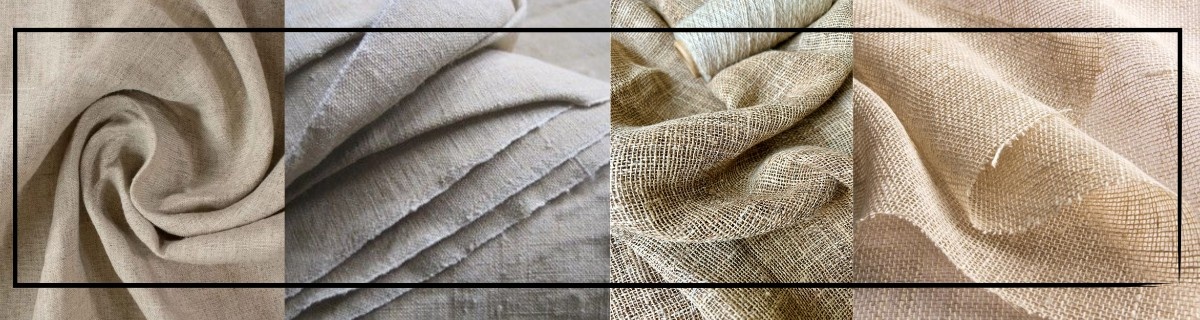
Perfectly flat bedding often feels artificial. Linen carries relaxed folds naturally. The bed looks layered and lived-in without constant ironing. That aesthetic works well with wood furniture, lime walls, cane accents, and muted interiors.
Higher-end linen brands use longer flax fibres. That improves durability and texture consistency. Inferior linen can feel scratchy because of poor processing. European flax remains a strong benchmark in luxury linen production today.
Trend-driven bedding fades quickly. Neutral linen tones stay adaptable across seasons and interiors. White, oat, charcoal, olive, and rust remain consistently versatile in Indian homes. Buyers invest once and keep using them through multiple room updates.
Theroregulating bedding adjusts to body temperature instead of trapping excess heat through the night. That difference changes sleep quality. Natural fibres like linen and hemp allow better airflow than polyester-heavy fabrics. Their loose weave structure helps heat escape faster during humid Indian summers. At the same time, these fibres trap gentle warmth during cooler months. That balance is what thermoregulation means in everyday use.
Linen absorbs moisture quickly. Hemp releases heat efficiently. Both feel drier against skin compared to synthetic blends. That material benefit matters for Indian weather where nights often shift between humidity, ceiling fan airflow, and changing seasonal temperatures.
Eco-luxe sheets also breathe differently from standard cotton. Cotton can trap moisture after long hours of use. Linen and hemp dry faster because the fibres hold less surface dampness. According to textile research, linen absorbs up to 20 percent moisture before feeling wet to touch. That is why these sheets feel fresher longer during warm nights.
Texture also affects temperature comfort. Linen carries a naturally airy surface. Hemp feels slightly denser but softens beautifully over time. Together, they create bedding that feels relaxed instead of overly polished.
This matters visually too. Minimal interiors benefit from fabrics that look lived-in rather than perfectly pressed. Muted earth shades. Crushed texture. Soft folds across the bed. The fabric itself becomes part of the rooms atmosphere.
For Indian homes without constant air conditioning, breathable bedding becomes practical, not decorative. Air circulation improves naturally around the body. Less heat stays trapped beneath blankets. Sleep feels lighter.
Layering also works better with thermoregulating fabrics. A single linen flat sheet during peak summer. A hemp blanket added during winter mornings. The same bedding adapts across seasons without needing complete replacement. That flexibility improves long-term value.
Good eco-luxe bedding does not rely on chemical cooling finishes. The fibres themselves regulate comfort naturally. That is why the experience feels different night after night.
Quiet. Dry. Balanced. Not cold. Not overheated. Just easier to sleep in.
Yes. Linen and hemp bedding usually outlast conventional cotton because their fibres are naturally stronger and more resistant to thinning. That durability becomes visible over time.
Frequent washing weakens many cotton sheets faster, especially lower thread count varieties common in Indian markets. Linen fibres remain sturdy for decades with proper care. Hemp performs even better under repeated use because the plant fibre has high tensile strength naturally.
That material advantage matters for everyday households. Bedsheets face constant friction. Body movement. Sweat. Washing cycles. Summer humidity. Eco-luxe fibres handle this stress more effectively than many standard cotton options.
Hemp also softens gradually without losing structural stability. Linen develops a relaxed texture instead of looking worn out. That ageing process feels intentional rather than damaged.
Cotton often pills first. Linen wrinkles first. There is a difference. One signals wear. The other signals natural texture.
This is why luxury hospitality spaces often choose linen blends for long-term bedding use. The fabric survives repeated laundering while still maintaining comfort.
For Indian climates, longevity also connects with breathability. Trapped moisture can weaken cheaper fabrics faster. Linen and hemp dry more efficiently after washing, reducing damp storage issues during monsoon months.
Initial cost may feel higher. Replacement frequency usually becomes lower. That changes overall value over years of use.
Well-maintained eco-luxe sheets often stay functional far beyond ordinary cotton bedding. The fabric evolves with time instead of breaking down quickly.
No. Quality hemp bedding feels textured first, not uncomfortable.
The first few nights feel different from standard cotton sheets. Hemp carries a drier, more natural hand-feel. Slightly crisp. Slightly structured. Not scratchy. That changes steadily after regular use.
Every wash loosens the fibres further. The fabric starts relaxing into softer folds and smoother movement. Unlike synthetic-heavy bedding, hemp does not lose strength while becoming softer. The comfort builds gradually without making the material weak too quickly.
That difference matters during Indian summers. Hemp allows better airflow across the surface. Nights feel less humid compared to polyester blends. Natural fibres also absorb moisture faster, helping the bed stay fresher through coastal heat and monsoon stickiness.
Many premium bedding makers pre-soften hemp through enzyme or stone washing before selling it. Even then, the best texture usually appears after several washes. Around four to six cycles changes the fabric noticeably.
The weave changes the experience too.
Dense weaves feel cooler and more structured. Looser constructions soften faster and drape more easily. Hemp blended with cotton feels smoother immediately, while pure hemp develops softness slowly with time.
That gradual change becomes part of why people stay loyal to hemp bedding. The fabric starts with body. Then it adapts naturally to the room, the sleeper, and repeated use.
People compare hemp with linen often. Both breathe well. Both soften beautifully. But hemp fibres generally tolerate repeated washing longer before showing wear.
If immediate softness matters most, choose pre-washed hemp bedding. If durability matters more, pure hemp develops beautifully over time.
Good bedding lasts longer with consistent gentle care. Natural fibres respond better to soft handling than aggressive washing habits.
Use water below 30C whenever possible.
High heat weakens plant fibres gradually. Cooler temperatures protect colour depth and maintain softness longer. Frequent washing during Indian summers already stresses fabric enough.
Choose gentle liquid detergent without bleach.
Strong cleaners slowly roughen natural fibres. Mild formulas rinse out more cleanly from hemp and linen blends. Avoid fabric softeners completely. These fabrics soften naturally through regular use.
Give sheets enough movement inside the machine.
Crowded drums create unnecessary twisting and friction. Separate washing also protects bedding from zippers, hooks, and rough garment surfaces.
Lower spin speeds protect the weave better.
Aggressive spinning creates deep creases and fibre pressure. Gentle cycles help the bedding keep its relaxed natural fall instead of looking crushed.
Soft morning light works best.
Strong afternoon Indian sunlight fades darker shades faster over time. Air drying also helps hemp and linen maintain long-term breathability.
Natural wrinkles belong to eco-luxe bedding.
That slightly lived-in texture creates visual softness across the room. If ironing feels necessary, use low heat while the fabric remains lightly damp.
Avoid sealed plastic containers.
Cotton storage bags and ventilated cupboards work better in humid Indian climates. Air circulation reduces trapped moisture and prevents stale smells from building inside folded bedding.
With proper care, hemp bedding often outlasts regular cotton sheets. Strong natural fibres resist thinning even after repeated wash cycles.
Linen and hemp bedding works best for sleepers who want breathable comfort without heavy synthetic fabric contact. These fibres respond differently through the night. Less trapped heat. Less sticky surface feel. Better airflow around the body. That matters in Indian weather where humidity often lingers long after sunset.
Natural linen and hemp release moisture faster than many blended fabrics. The bed feels fresher for longer hours because the fibres do not hold dampness as aggressively. This helps during monsoon months and warmer coastal climates.
Hypoallergenic fibres also reduce common surface irritation. Dust and lint settle less heavily on tightly woven natural bedding. Linen especially produces lower lint compared to fuzzy synthetic sheets. That creates a cleaner sleeping environment for sensitive skin and light sleepers.
Hemp brings another advantage. The fibre naturally resists bacterial buildup better than many conventional bedding materials. That helps reduce trapped odours between washes. The bed stays fresher through repeated use.
This becomes useful in Indian homes without continuous air conditioning.
Texture changes the experience too. Linen falls softly across the mattress with relaxed folds. Hemp develops a lived-in surface over time without looking worn out. These fabrics add visual calm naturally.
Muted tones.
Light creasing.
Gentle layering.
The room feels quieter without looking overdesigned.
Many buyers also prefer eco-luxe bedding because natural fibres rely less on aggressive chemical coatings. The comfort comes from the material itself rather than artificial surface treatments.
The result feels balanced through the night.
Drier.
Cooler.
Less irritating against skin.
More breathable without effort.
Read More : From Pantry to Countertop: Modern Ways to Use Traditional Spice Boxes in Smart Kitchens
Eco-luxe bedding works best when comfort, fibre quality, and long-term durability stay balanced together. A good checklist prevents expensive disappointment later.
Choose natural fibre content first. Pure linen feels airy and textured. Pure hemp feels denser and stronger. Blended fabrics soften earlier while keeping some durability benefits.
Pre-washed bedding feels easier immediately. Stone washing and enzyme washing reduce initial stiffness before purchase. This helps first-time hemp and linen buyers adjust more comfortably.
Fabric weight changes how the bed feels seasonally. Lighter material suits Indian summers better. Slightly heavier bedding performs well in cooler weather and air-conditioned rooms.
Airflow matters more than exaggerated thread counts. Natural fibres release heat and moisture faster than many synthetic blends. Better ventilation improves sleep comfort during humid nights.
Strong seams increase bedding lifespan. Inspect edge finishing and corner stitching carefully. Loose threads usually weaken faster after repeated washing cycles.
Soft natural shades age more gracefully. Muted greys, earthy browns, dusty greens, and warm off-whites hide wear better over time. Strong chemical dyes may fade unevenly under Indian sunlight.
Easy maintenance improves long-term practicality. Choose bedding that handles machine washing comfortably. Natural bedding should simplify routines instead of creating extra care stress.
Read More : Biophilic Design : Deep-Toned Terracotta Vases for Urban Jungles
Authentic linen and hemp should not feel overly slippery. A lightly textured hand-feel usually signals genuine fibre character. Extremely silky finishes sometimes indicate heavy chemical processing.
Good bedding should adapt across changing weather. Breathable fibres perform better through heat, humidity, and cooler winter mornings. That improves year-round usability naturally.
Higher quality bedding should survive longer use. Strong natural fibres resist thinning, stretching, and surface damage more effectively than many cheaper alternatives. The upfront cost often balances out through slower replacement needs.






 SignIn / SignUP
 Forgot password
 My Orders
 My Wishlist
  My Wallet
 My Invitee
 Sell with us
 New Arrivals