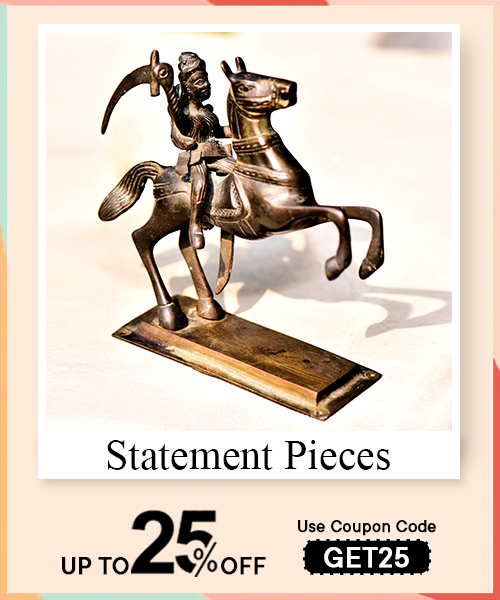
Suppose the day has already felt loud. Endless scrolling, unfinished work, conversations still running inside the head. Then evening arrives. A small lamp is lit near a bronze Buddha idol before sitting down for meditation. The flame reflects softly on the metal surface. The room does not transform magically, but something slows down.
The cool touch of bronze while adjusting the idol creates a small pause. Breathing settles more naturally. Silence feels less empty and more comforting. That grounding feeling explains why authentic bronze has remained connected with spiritual spaces for centuries.
Unlike resin decor, bronze carries physical weight. That heaviness matters inside meditation corners because stable objects create visual stillness. Even smaller bronze statues hold presence without demanding attention loudly.
Bronze also ages beautifully with everyday use. Over time, the surface develops a deeper tone through air, touch, oil, and light exposure. The object slowly begins carrying traces of routine and memory. Resin usually stays unchanged or starts peeling artificially after a few years.
Lighting changes bronze beautifully during meditation hours. Diyas and soft lamps create shadow and depth across the surface. Resin often looks flat under dim lighting, while bronze develops warmth naturally.
Maintenance remains simple. A soft cotton cloth handles regular cleaning easily. Occasional gentle polishing keeps the metal healthy without removing its character. Properly maintained bronze lasts for decades and often becomes part of a household routine quietly.
Meditation spaces work best when they do not feel overly designed. Too many decorative objects can distract the mind instead of calming it.
Authentic bronze helps because it brings texture, warmth, and stillness without trying too hard.
That quiet presence becomes the real value.
Read More : Upcycling in Style: 5 Ways to Turn Vintage Glass Bottles into Minimalist Centerpieces
Authentic bronze feels heavier immediately. Resin feels unusually light for its size. Check the temperature with your hand. Bronze feels cool first. Resin adjusts quickly to room temperature. Look closely at the surface texture. Real bronze shows tiny tonal variations and natural metal depth. Tap the item gently. Bronze creates a muted metallic sound. Resin sounds flat or hollow. Inspect the underside carefully. Genuine bronze pieces often show casting marks or artisan finishing details. Resin copies usually hide seams from factory moulds. These seams appear too smooth and repetitive. Notice the ageing pattern. Bronze develops a darkened patina over time. Resin colour stays mostly unchanged. Smell the material lightly. Resin sometimes carries a chemical or paint-like smell, especially in newer products. Ask sellers about the metal composition directly. Authentic bronze usually contains copper and tin alloys.
Many Indian artisans still use lost-wax casting methods for bronze idols and ritual objects. Handmade pieces rarely look perfectly identical. Check fine detailing around fingers, jewellery, folds, or facial expressions. Bronze preserves sharper depth in carving. Price also reveals clues. Real bronze costs more because metal weight and artisan labour increase production costs. Lift similar-sized pieces together if possible. Weight difference becomes obvious within seconds. Magnet tests do not fully confirm bronze authenticity. However, strong magnetic pull may indicate cheaper mixed metals underneath. Look for natural oxidation near corners or deeper grooves. Bronze ages unevenly in subtle ways. Resin does not. Factory resin pieces often use artificial gold paint to imitate antique bronze finishes. These coatings chip over time. Trusted sellers usually mention origin regions clearly. Tamil Nadu, Moradabad, and Bastar remain known for metal craft traditions in India. Ask whether artisans hand-finish the piece after casting. Genuine bronze products usually involve manual polishing and detailing. Finally, trust visual depth. Bronze reflects light softly and unevenly. Resin often appears glossy in a more artificial way.
A peaceful meditation corner does not need a large room or expensive decor. The right materials change the feeling completely. Authentic bronze statues and bowls bring warmth, visual stillness, and grounding presence naturally. Across Indian homes and temples, bronze has remained part of mindful spaces for centuries because it lasts beautifully with time and daily use.
A single bronze centerpiece changes how a meditation room feels immediately. The eye settles faster. The space feels intentional instead of decorative.
In the image below, the room does not rely on excessive styling. Soft floor seating, muted fabrics, warm lamps, indoor plants, and open breathing space create the atmosphere first. Then the bronze Buddha quietly holds the room together.
That balance matters.
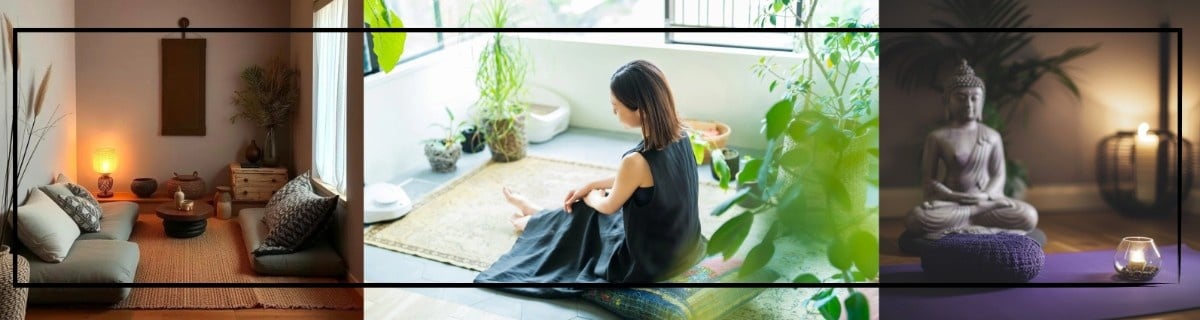
Suppose meditation begins after a tiring day. The lights stay dim. A candle burns beside the deity. Outside noise still exists somewhere, but attention naturally returns to the bronze figure placed at the centre. The mind stops scanning the room constantly because one visual anchor already exists.
That is what a centerpiece does well.
Bronze works especially beautifully for this purpose because the material carries visual weight naturally. Resin idols often disappear into the background after some time. Bronze continues holding attention softly through texture, shadow, and reflection.
The warm metallic surface also reacts differently to light. During early mornings, natural sunlight creates gentle highlights across the face and folds. During evenings, diya light creates deeper shadows and warmth. The object keeps changing slightly through the day without looking loud.
This image also shows an important design detail many Indian homes overlook. Open floor space around the deity matters more than overcrowding the corner with decor pieces. Meditation rooms need breathing room visually.
A centered bronze symbol creates calm partly because it reduces distraction.
Material choice changes the experience too. Bronze stays naturally cool to touch. It develops a darker patina slowly through air and handling. That ageing process gives the piece character over time instead of making it look worn out.
Across India, bronze deities have remained part of homes and temples for centuries because the material survives humidity, heat, and regular use. South Indian bronze casting traditions still continue in places like Swamimalai, Tamil Nadu.
Placement matters as much as the object itself.
Low-height placement, like shown in the image, creates a grounded feeling during seated meditation. Eye-level shelves often feel more decorative than meditative. Keeping the centerpiece closer to floor seating builds emotional connection with the space naturally.
Indoor plants also soften the metallic presence beautifully. Greenery prevents the bronze from feeling too formal or heavy. Cotton rugs, woven textures, cane lamps, and neutral walls support the same balance.
The goal is not creating a perfect spiritual room.
The goal is creating one corner that feels quieter than the rest of the house.
A thoughtfully placed bronze centerpiece helps achieve that without forcing attention.
Bronze singing bowls calm a meditation room through sound before silence even begins. The vibration slows mental noise naturally.
The image captures this atmosphere beautifully. Soft daylight enters through large open windows. Neutral cushions rest directly on wooden flooring. Plants soften the corners. Candles stay low and minimal. Nothing feels visually loud. That restraint allows sound to travel gently across the room.
A bronze singing bowl works best in spaces like this.
Suppose early morning meditation begins before the rest of the house wakes up. One slow strike on the bowl fills the room with a deep metallic resonance. The sound moves gradually instead of ending abruptly. Breathing starts matching that rhythm unconsciously.
That lingering vibration is the material benefit of authentic bronze.
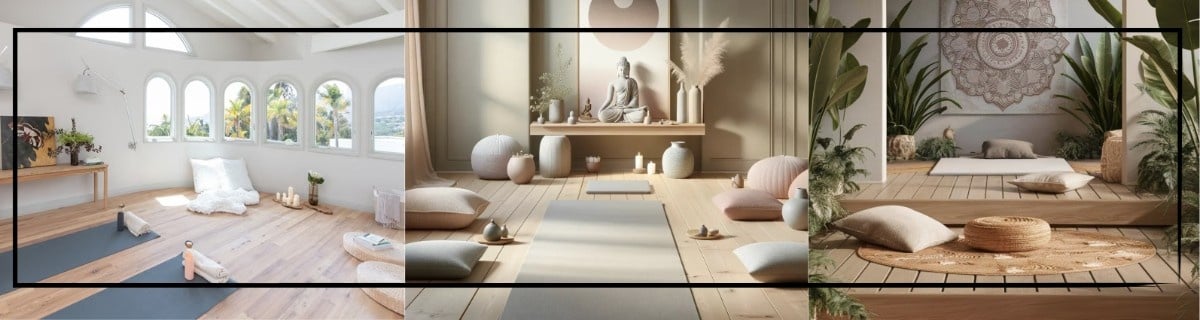
Bronze produces fuller resonance because the metal holds vibration longer. Many meditation practitioners and yoga studios use bronze bowls during breathwork, sound therapy, and mindfulness sessions for this reason.
Fabric cushions, rugs, and indoor plants also improve acoustic softness naturally. Hard empty rooms create echo. Textured interiors absorb harsh sound reflections better.
The goal is not loudness.
The goal is creating one sound that gently pulls attention back into the present moment.
Correct placement changes how a meditation corner feels emotionally. The room becomes calmer, softer, and easier to focus in.
The image shows this balance clearly. Indoor plants surround the seating area naturally. Floor cushions stay low. Wooden beams add warmth overhead. Sunlight enters gently through wide windows. Nothing blocks movement or visual breathing space.
Bronze decor works best in spaces arranged like this.
Place a bronze Buddha, singing bowl, or diya where the eyes settle naturally after entering the room. Avoid overcrowded shelves or busy corners. Meditation objects need surrounding emptiness to create stillness visually.
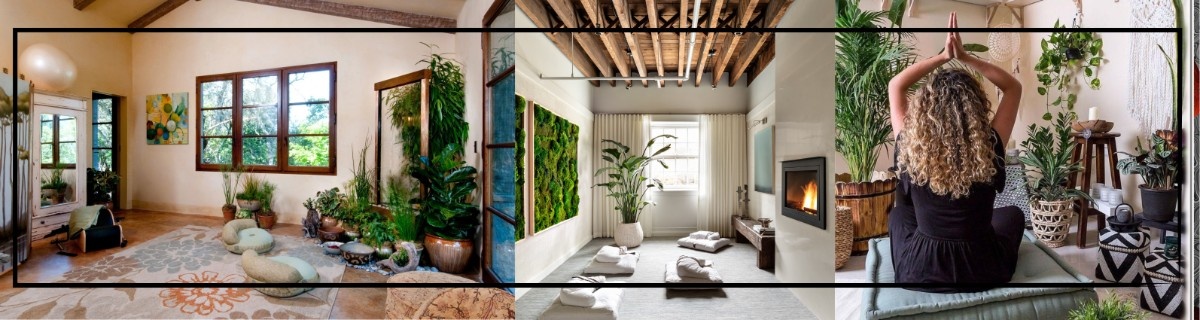
Low-height placement also matters. Floor-level positioning feels more grounding during seated meditation. The image reflects this beautifully through cushions, rugs, and closer connection with natural textures.
According to Vastu principles followed in many Indian homes, northeast corners often suit meditation spaces best because they receive softer morning light. Natural light helps bronze surfaces develop warmth without appearing harsh or reflective.
Plants also improve placement balance. Tall greenery softens the visual density of metal objects. In the image, earthy pots, woven textures, and indoor foliage prevent the meditation area from feeling rigid or formal.
Distance matters too.
Keep enough open space around the bronze decor for candlelight, movement, and airflow. Tight arrangements create visual noise quickly.
Wood, cotton, stone, and bronze work especially well together because all four materials absorb atmosphere differently. Wooden floors reduce echo. Fabric softens sound. Bronze adds grounding presence.
The goal is not perfect symmetry.
The goal is creating one corner that feels naturally quieter the moment someone enters it.
Warm lighting brings out the depth of bronze beautifully. The metal starts looking softer, richer, and more lived-in during meditation hours.
The space here works because lighting stays low and intentional. Small candles sit close to the floor. Cane pendant lamps diffuse light gently instead of creating sharp brightness. Sunlight enters naturally through windows during the day, while evenings rely on warmer tones and shadows.
That transition matters inside meditation corners.
Bronze reacts differently under warm light compared to cooler LED lighting. Soft yellow tones highlight the natural patina across the surface. Fine details become deeper. Edges catch light subtly without looking shiny or polished excessively.
Suppose evening meditation begins after sunset. One floor lamp stays on. A diya flickers beside a bronze bowl. The surrounding cushions, woven rugs, and textured fabrics absorb excess brightness. The room immediately feels slower and quieter.
That atmosphere comes from layering light carefully instead of using one harsh ceiling source.
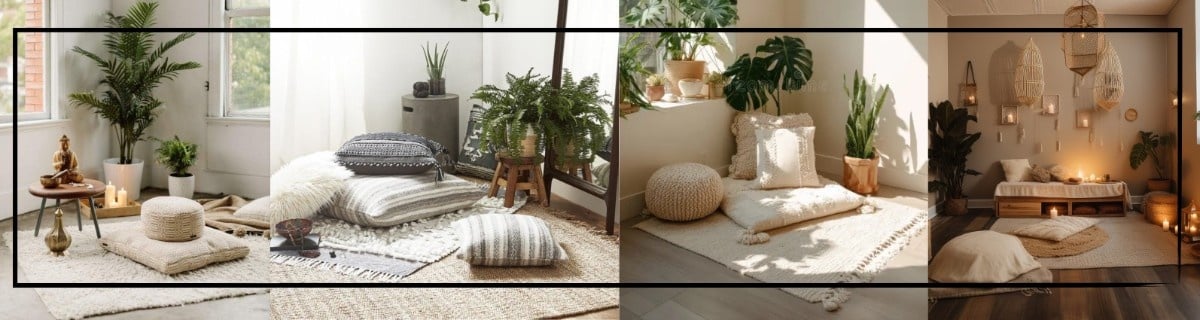
Natural textures help too. Cotton floor cushions, jute rugs, woven lampshades, and indoor plants soften reflections around metal decor. Bronze feels warmer beside earthy materials than against glossy surfaces.
In many Indian homes, diyas traditionally created this exact lighting effect long before modern mood lighting existed. The flame reflected gently on bronze utensils, idols, and bells during evening prayers.
Placement also matters.
Keep candles or lamps slightly beside the bronze piece instead of directly above it. Side lighting reveals texture better and creates softer shadows naturally.
The goal is not brightness.
The goal is creating warmth that helps the room settle gradually with the mind.
Bronze creates physical grounding through touch before meditation even begins. The material feels cool, steady, and reassuring in the hand.
The space here understands sensory balance beautifully. Floor cushions stay low and oversized. Layered rugs soften the wooden flooring. Hanging plants fall naturally around the seating area. Candlelight stays close to the ground. Linen fabrics, woven textures, and earthy tones keep the room visually quiet.
Bronze works powerfully in spaces designed like this because the material adds contrast.
Suppose meditation begins early in the morning. Bare feet touch the textured rug first. Hands adjust a bronze bowl or small deity beside the cushions. The metal feels slightly cold against warm skin. That tiny sensory shift immediately pulls attention away from mental clutter and back into the body.
That tactile response matters more than people realise.
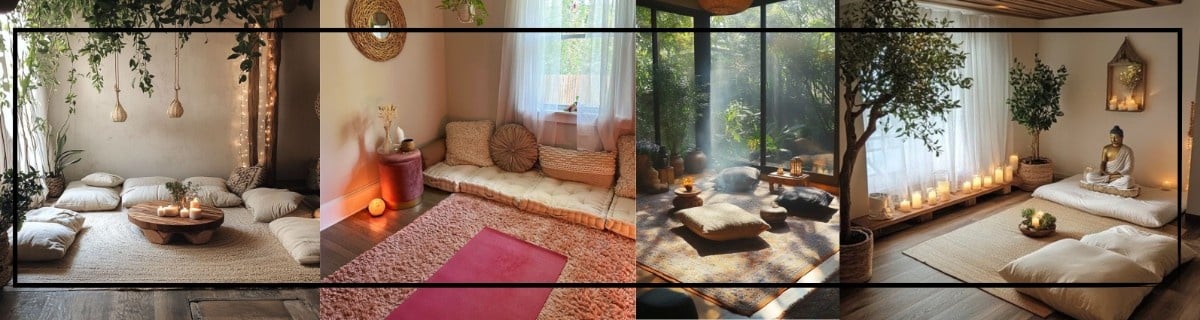
Unlike lightweight resin decor, bronze carries noticeable density. The weight feels stable during use. Singing bowls stay firm while playing. Diyas and smaller sculptures do not feel fragile or temporary.
The surrounding materials also support grounding naturally. Jute rugs absorb sound softly. Cotton cushions reduce visual sharpness. Warm wood tones prevent the room from feeling clinical. Indoor greenery introduces movement without distraction.
Across Indian homes, bronze objects have historically remained part of daily rituals because they age through touch beautifully. Oils from hands slowly deepen the surface tone over time instead of damaging it.
Texture changes meditation spaces emotionally.
Smooth polished surfaces often feel decorative. Slightly aged bronze feels human, handled, and lived with.
That quiet physical connection helps the room feel calmer without needing excess styling.
Read More : The 'Handmade High': Why Beaded Home Accents are the Top DIY Trend This Year
East or North usually works best for placing a bronze meditation statue. These directions connect with traditional Vastu principles followed across many Indian homes and meditation spaces.
East-facing placement feels especially calming during morning meditation. Early sunlight enters softly from this direction and creates warmth around the bronze surface naturally. The changing light also reveals the metals texture and patina beautifully through the day.
North-facing placement supports focus and mental stillness. Many meditation practitioners prefer this direction because the space feels quieter and visually balanced during longer sessions.
Placement height matters too.
Keep the statue slightly above floor level but not too high above eye line. Low placement creates grounding during seated meditation. Oversized shelves or crowded cabinets often make spiritual decor feel disconnected from the room itself.
Surrounding materials also affect the experience. Wooden platforms, cotton mats, stone textures, and indoor plants complement bronze naturally. These materials soften the visual weight of metal and help the meditation corner feel more breathable.
Avoid harsh overhead lighting directly above the statue. Side lighting or diya placement works better because bronze responds beautifully to softer shadows and warm illumination.
The goal is not strict perfection.
The goal is creating one direction and one corner where attention settles naturally without effort.
Bronze singing bowls age beautifully when cared for regularly. The sound stays fuller, the surface develops character slowly, and the metal keeps its warmth for years.
Bronze naturally collects fingerprints, dust, and oil from hands during meditation sessions. A soft dry cotton cloth usually handles most cleaning without much effort.
Suppose the bowl gets used during evening meditation beside candles or incense. By the end of the week, a thin layer of residue settles quietly across the surface. Gentle wiping keeps the metal clean without removing its natural texture.
Avoid steel scrubbers or rough cleaning pads completely. They leave fine scratches that slowly dull the surface and affect the bowls visual depth.
Sometimes the bowl needs slightly deeper cleaning, especially during humid weather. Mix mild soap with lukewarm water and wipe softly using cotton cloth.
Many Indian households also rub lemon lightly on bronze utensils because natural acidity helps restore warmth and brightness gradually.
Do not soak the bowl for long periods. Excess moisture affects the finish slowly over time. Always dry it immediately after cleaning.
Bronze responds better to dry spaces with stable airflow. Wooden shelves, cotton mats, or fabric pouches protect the surface naturally between uses.
Avoid stacking heavy decor items over the bowl. Bronze carries resonance through its structure, and excess pressure can affect sound quality slowly.
The best bronze bowls never look brand new forever.
They begin looking personal instead.
Read More : 5 Ways to Elevate Your Interior Doors with Heavy Sculptural Brass Handles
The quietest corner works best. Silence matters more than room size.
A balcony corner works well. A bedroom corner works too. Many Indian homes use spaces near windows.
Natural light helps the room feel softer. Fresh air also improves the atmosphere.
Add a floor rug, soft cushion, and one bronze piece. The corner starts feeling separate from the rest of the house.
Yes. Small spaces work very well.
Meditation corners do not need extra rooms. Even one unused corner feels enough sometimes.
Place one floor cushion near a wall. Add a small bronze bowl or lamp nearby. The space immediately feels calmer.
Smaller rooms often feel more personal and focused because distractions stay limited.
Soft earthy colours feel the calmest.
Warm whites, beige, clay shades, olive green, and light brown work beautifully. These colours relax the eyes naturally.
Very bright colours feel overstimulating sometimes. Softer tones slow the room visually.
Natural fabrics also help. Cotton, jute, cane, and wood create warmth without feeling heavy.
Yes. Plants make the room feel alive.
Indoor plants soften hard corners and empty walls naturally. They also balance metal and wooden decor beautifully.
Snake plants and money plants work well in Indian homes because they need less maintenance.
Greenery also improves the visual freshness of the room.
Usually yes.
Floor seating feels more grounded physically. Rugs and cushions help the body relax naturally.
Many people meditate longer while sitting lower to the ground. The posture feels more connected and stable.
Comfort matters most though. Use chairs if floor seating feels uncomfortable.
Yes. Mostly through texture, sound, and visual warmth.
Bronze feels heavier and steadier than resin. The metal also reacts beautifully to warm lighting.
Singing bowls create deeper sound resonance too. The vibration stays longer inside the room.
That sensory feeling changes the mood quietly.
Less feels better most of the time.
Too many decorative objects create visual clutter quickly. The room starts feeling busy instead of peaceful.
One thoughtful object works beautifully sometimes. A bronze statue, singing bowl, or diya often feels enough.
Open space also matters.
Yes. Absolutely.
Meditation corners do not need spiritual idols necessarily. Some people prefer plants, candles, books, or textured decor instead.
The purpose stays the same. The room should help the mind slow down.
Warm lighting feels best.
Harsh white LEDs feel too sharp during meditation. Softer lighting creates comfort more naturally.
Use floor lamps, candles, diyas, or woven pendant lights. Warm light also highlights bronze surfaces beautifully.
Morning sunlight works wonderfully too.
A little cleaning every week helps.
Dust settles quietly on bronze objects, rugs, and cushions over time. Small cleaning routines keep the space feeling fresh.
Rearranging cushions or trimming plants also changes the mood subtly.
The room should feel lived-in, not neglected.






 SignIn / SignUP
 Forgot password
 My Orders
 My Wishlist
  My Wallet
 My Invitee
 Sell with us
 New Arrivals