Rugs began as shelter before they became style. Long before houses had walls of stone, woven surfaces shaped daily life. A rug was floor, bed, blanket, and boundary. It marked space inside a moving world. This is why rugs can be read like maps. Each knot holds climate, belief, trade, and memory.
Over time, rugs moved from pure need to shared meaning. What started as warmth underfoot slowly carried stories of faith, power, and taste. Patterns grew complex. Colors gained rules. Ownership began to signal rank. A rug was no longer only used. It was read.
Even today, a rug still works quietly. It softens sound. It gathers people. It grounds a room. The modern living room carries the echo of tents, courts, and caravans without knowing it.
Explore our heritage inspired rugs to see how these long histories continue on the floor.
The history of rugs begins with movement. Nomadic groups across Central Asia, Persia, and Anatolia lived with the seasons. Their homes were tents made of felt and woven panels. Inside these tents, rugs were essential. Bare earth stole heat. Cold winds slipped through gaps. A woven surface solved many problems at once.
Rugs acted as insulation. Thick wool trapped warmth during harsh winters. They protected against damp ground and dust. Hung on walls, they blocked wind. Folded, they became bedding. Rolled up, they travelled easily. This is why rugs are often called portable architecture. They created rooms inside open land.
Materials came from what people raised. Sheep wool was common. Goat hair added strength. Camel hair appeared in colder regions. Dyes came from roots, leaves, insects, and minerals. Madder gave red. Indigo gave blue. Walnut husk made brown. These colors faded slowly and aged with dignity.
Designs were practical at first. Repeated shapes were easy to remember and pass on. Over time, these shapes gained meaning. A hooked form could suggest protection. A diamond could mark fertility. Borders marked safe space. Each tribe developed its own visual language.
The oldest surviving rug confirms this deep past. The Pazyryk Rug, dated to the fifth century BC, was found frozen in a Siberian burial mound. Its fine knots and complex design show that rug weaving was already highly skilled over two thousand years ago.
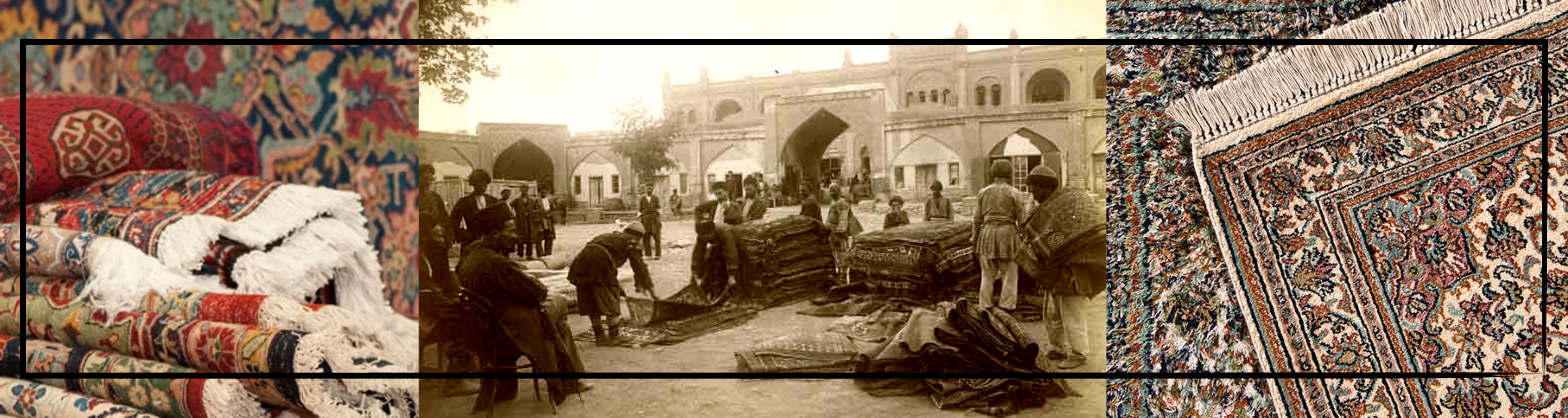
Persia transformed rugs from craft to art. Under the Achaemenid Empire and later the Safavid dynasty, weaving moved into royal courts. Rugs were no longer only made for tents and trade. They were made for palaces, mosques, and ceremonies.
Court workshops brought structure. Designers planned patterns on paper. Weavers followed exact systems. Materials improved. Wool was finer. Silk entered the pile. Dyes were controlled for consistency. The result was balance and harmony across the surface.
At the same time, tribal weaving continued. These rugs remained more direct. Patterns were memorised, not drawn. Slight changes showed the hand of the maker. This contrast created two traditions. One refined and formal. One expressive and personal.
Knot density became important. More knots per square inch meant more detail. It also meant more time and skill. Dense rugs signaled wealth and power. A finely knotted rug underfoot spoke quietly of status.
Motifs carried layered meaning. Garden designs reflected the idea of paradise. Flowing water channels crossed flower beds in perfect order. Medallions sat at the center like the universe itself. Borders framed the world within.
Persian rugs traveled widely through trade routes. They reached Europe, India, and beyond. Painters placed them under thrones and tables to show luxury. Their influence spread far beyond Persia.
When the Mughals ruled India, rug weaving entered a new phase. Emperor Akbar established karkhanas, royal workshops that brought Persian masters and Indian artisans together. The result was a fresh language of design.
Persian structure met Indian nature. Floral forms became softer and more detailed. Lotus, iris, and creeping vines filled the field. Colors grew rich and deep, drawing from local dye traditions.
Materials reflected royal taste. Silk pile rugs appeared alongside fine wool. Asymmetrical knots allowed for curving lines and detailed imagery. Carpets were made for courts, gardens, and prayer halls.
These rugs were not only decoration. They were tools of diplomacy. Mughal carpets were sent as gifts to other rulers. They carried power woven into fiber. To receive one was to receive favor.
Unlike nomadic rugs, Mughal carpets were rarely moved. They belonged to fixed spaces. They helped define the idea of the interior as a controlled and beautiful environment.
Across the Ottoman world, rugs took on spiritual form. Prayer rugs became central to daily life. Their mihrab design pointed toward Mecca. The arch shape framed the act of prayer. These rugs were deeply personal. They carried faith into the home.
In North Africa, Moroccan Berber rugs followed a different path. Made by women, often for family use, these rugs favored simple forms. The Beni Ourain rugs used undyed wool with dark lines. Patterns were abstract and symbolic. They spoke of life stages, protection, and memory.
Europe approached rugs from the outside. For centuries, floor coverings were tapestries hung on walls. When Eastern rugs arrived through trade, they were treated as rare objects. They appeared on tables and in paintings. Placing a rug on the floor came later.
During the Renaissance, artists painted rugs to show wealth and worldliness. The rug became a sign of connection to distant lands. Only later did it settle into daily European interiors.
Read More : The Rug Handbook: Understanding Weaves, Patterns, and Placement
The Industrial Revolution changed everything. Mechanised looms increased speed and lowered cost. Rugs entered middle class homes. They were no longer reserved for courts and elites.
Design priorities shifted. Comfort mattered more than display. Rugs softened wooden floors. They reduced noise. They added warmth and color to growing cities.
At the same time, handmade rugs did not disappear. They gained new value as objects of craft. People began to see them as links to slower traditions.
In modern interiors, rugs balance function and style. They anchor furniture. They define zones. They carry mood. A simple line captures this shift. A room begins with the rug.
Rugs are living history. They carry footsteps from tents, palaces, workshops, and homes. Each thread connects survival, belief, trade, and beauty. When you place a rug in your space, you are not only decorating. You are continuing a story that began thousands of years ago.
Find a rug rooted in tradition and let that story unfold beneath your feet.






 SignIn / SignUP
 Forgot password
 My Orders
 My Wishlist
  My Wallet
 My Invitee
 Sell with us
 New Arrivals