A door handle is the object that reveals structure, feel and warmth of the door and space. Yet door handles are often chosen only for appearance, but considering texture changes that quiet moment. For example, the cool firmness of brushed brass, the subtle grain of carved wood, the soft resistance of a matte coated metal surface all create a response in the body before the mind forms a thought. Texture holds memory and builds comfort, and it transforms a simple action into a sensory experience.
Tactile intelligence is the awareness that touch shapes perception as strongly as sight. In interior design, it means selecting materials not only for how they look but also for how they feel in the palm. Sensory design shows that physical contact forms impressions within seconds. When a handle feels balanced and steady, it creates trust. When it is slippery or too sharp, it gives a sense of irritation.
Door handles slowly adds to the daily routine, making the surface part of daily rhythm and family. Furthermore, considering weather, it feels cool in summer and gently warm in winter, and over time it carries the subtle polish of human touch and familiarity.
Read More : Mixing Eras: How to Blend Vintage Indian Kitchenware with Modern Scandinavian Minimalism
The role of texture is unavoidable as two door handles may share the same design, the same curve at the neck, the same finish catching the same afternoon light, yet the experience of touching them can diverge completely. Form repeats. Surface decides.
A polished brass handle is cool at first contact, then gradually responsive to warmth. It belongs to carved wooden doors, to corridors that hold shadow, to interiors where ornament is inheritance. In older homes, the kind that remember footsteps, brass gathers patina where fingers return. The shine softens. The metal records habit.
A brushed metal surface speaks differently. The grain runs quietly beneath the palm, diffusing reflection, muting glare. It feels steady, almost architectural in temperament. In modern apartments shaped by clean lines and restrained palettes, this finish does not demand attention. It absorbs it. The texture reduces visual noise while maintaining tactile clarity.
Hammered metal introduces tension into the plane. Each indentation interrupts symmetry, catching light in fragments rather than sheets. The surface feels alive under the hand, irregular, intentional, resistant to slipping. It echoes handcrafted traditions without performing nostalgia. And practically, it disguises the small abrasions of daily torque: keys grazing, rings striking, hurried mornings leaving faint marks.
Ceramic shifts the sensory register again. The glaze feels smooth but not cold; there is a slight warmth, a density different from metal. When hand-painted motifs travel across its surface, the handle becomes more than hardware. It carries regional identity in pigment and line. In humid weather, ceramic does not sweat like steel. It remains composed.
In homes with children or older family members, this shifts from preference to necessity. Grip is no longer stylistic. It is stability. The handle must resist slip, absorb force, and return to rest without rattle. Decorative value becomes secondary to contact confidence.
Two handles can look identical from across the room. The difference is understood only when the hand closes. That is where design stops being visual and becomes lived.
In India, materials carry layered meaning. Here, brass has long been used in temples and traditional kitchens because of its strength and natural resistance to microbes, wood connects the home to nature and to skilled craftsmanship passed through generations and stone and ceramic reflect regional artistry and handmade techniques.
When textured handles use these materials, they connect contemporary living to cultural memory. A compact city apartment can still carry the essence of traditional craft through a thoughtfully chosen detail. Texture becomes a bridge between past and present, between ritual and routine.
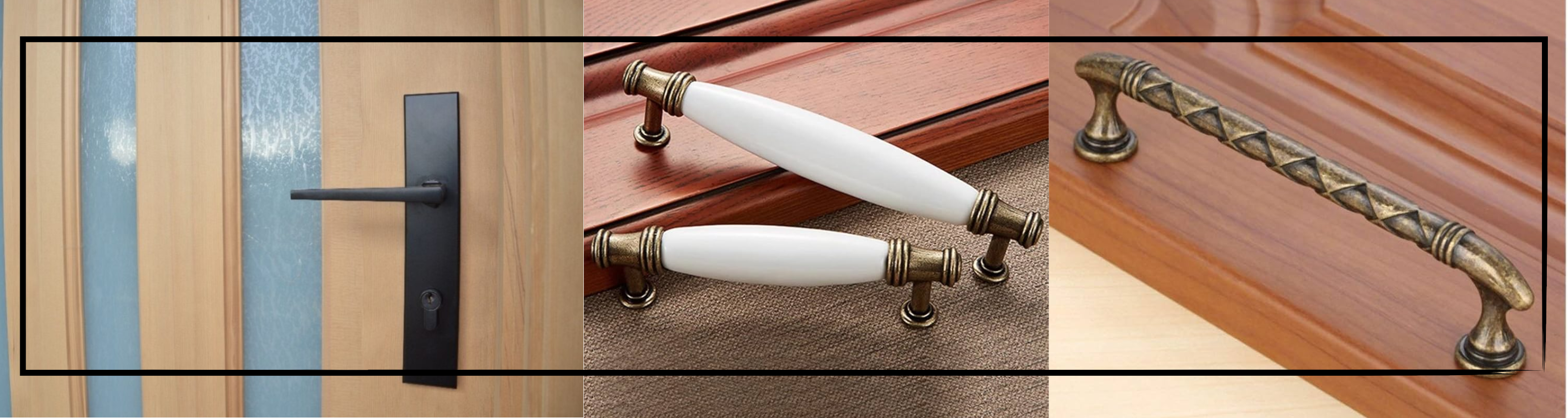
On any door, a handle must move with ease over time, holding its proportion against the doors scale and weight while aligning with the interiors mood. In restrained spaces, finely brushed stainless steel offers a muted softness without breaking visual clarity. In vintage rooms, aged brass or time-worn bronze holds a quiet depth and an easy gravitas. In vivid interiors, glazed ceramic or textured glass carries colour, invites touch, and leaves behind a distinct trace of personality.
Handles crafted from materials that age well gather value as the years pass. Brass slowly forms a patina that enriches its surface, wood deepens in tone through repeated touch and exposure, and these shifts do not diminish the design. They anchor it. They allow the handle to hold traces of everyday life rather than resist them.
A home comes together in layers, walls, floors, textiles, light. Hardware may be the last detail installed, yet it is the one your body meets most often. Every day you reach, turn, and step through. That small, repeated contact quietly defines your sense of ease. When a surface feels steady and reassuring in the hand, it creates a subtle contentment. When it feels sharp or carelessly finished, the body notices, even if you never put it into words.
Texture can lift the ordinary. It gives intention to the simple act of entering. It turns a functional gesture into a sensory pause, one that feels deliberate and whole.
Haptic design is an interior design, where texture, temperature, weight, and surface quality guide how a person feels inside a room.
In Indian homes, where materials like teak wood, brass, clay, and stone carry craft and history, haptic design connects culture with modern living, a thoughtful method of creating interiors that feel calm, secure, and alive through touch, making everyday spaces more human and deeply felt.
Luxury decor has changed its meaning in recent years, and interior design trends clearly show this shift. Earlier, luxury decor items were focused on shine, scale, status quo and rare finishes. Today, the focus is on comfort, emotional balance, and daily ease. Sensory architecture responds to this change by shaping spaces that feel calm and supportive for touch, sound, light, and movement. It asks how a room supports the body and mind every single day.
For a long time, glossy marble floors, reflective metals, and large decorative elements defined premium homes. They looked grand but often felt cold and distant. Current design and research in the psychology of interior design, shows that materials, lighting, and acoustics influence stress levels and mood. Warm light reduces anxiety. Natural textures create a sense of safety. Balanced sound levels improve concentration and rest. Because of this understanding, sensory interior design has become central to high value homes.
In door handles, trends highlight matte finishes, textured grips, and hand-finished surfaces that improve function and age well while adding quiet richness.
Sensory architecture defines luxury because it places human experience at the center and its living lies in spaces that feel thoughtful, grounded, and deeply connected to everyday life.
Modern luxury also aligns with sustainability, as natural materials last longer and require less replacement. This approach reduces waste while maintaining high design standards.
The first test of true quality is weight. When you lift a handle and feel density in your palm, you understand the difference without reading a label. Solid brass vs hollow door handles is a question of durability, balance, and long term value.
Solid brass hardware is cast from a single metal alloy. It feels heavy and steady. This weight supports smooth movement and reduces vibration over time. High end door hardware made from solid brass can last for decades because it resists corrosion and daily wear. In humid Indian climates, this strength matters. Brass also carries natural antibacterial properties, which adds quiet hygiene benefits in frequently touched areas.
Hollow core handles are lighter because they use a thin outer shell over an empty or filled interior. They may look similar from a distance, but they often feel less grounded in use. Over time, screws loosen more easily and the surface coating may chip.
When choosing between solid brass and hollow options, consider frequency of use, climate, and the emotional value of touch. A well weighted handle does not just open a door. It reinforces trust in the space.
Texture also defines how hardware performs and how it feels. Knurled door knobs feature a fine cross cut pattern etched into metal. This texture improves grip and prevents slipping, especially in kitchens and bathrooms. It also introduces an industrial edge that suits modern interiors.
Reeded hardware carries parallel grooves that run along the surface. These soft linear ridges catch light gently and add rhythm to cabinetry and doors. Reeded handles often feel refined and tailored, which works well in contemporary and transitional homes.
Hammered finishes are shaped by repeated hand strikes that create subtle dimples across the surface. This texture hides fingerprints and small scratches while adding depth. In Indian settings, hammered brass reflects traditional craft methods seen in utensils and temple bells. It connects modern spaces to cultural memory.
Among the types of door handle finishes, textured options are rising in popularity because they combine function with design detail. The best textured door handles are those that balance grip, comfort, and visual harmony with the surrounding material palette. Texture should support daily use while enriching the aesthetic story of the room.
Unlacquered brass door handle is gaining attention in premium homes because it evolves over time. This approach is known as living finish hardware. Unlike coated surfaces that resist change, unlacquered brass reacts to air, moisture, and touch. It slowly darkens and develops a patina.
Patina door handles record human contact. Areas touched often become lighter and polished, while untouched corners deepen in tone. This natural variation adds character and warmth. In heritage homes across India, aged brass is valued for its depth and authenticity. The living finish movement brings this idea into modern design.
Choosing a living finish requires acceptance of change. It is not about keeping hardware frozen in perfection. It is about allowing material to tell a story. For those seeking high end door hardware that feels honest and enduring, unlacquered brass offers both beauty and meaning.
Quality is felt in weight. Craft is revealed in texture. Time becomes visible in patina. When hardware is chosen with this awareness, it transforms from a small detail into a defining element of the home.
A home feels complete when every detail speaks the same visual language. Yet many modern spaces, especially in transitional home decor, blend styles instead of following one strict theme. This raises an important question. How To Mix Door Hardware Without Creating Visual Confusion? The answer lies in balance, proportion, and finish consistency.
Start with a base metal tone. If your primary elements such as light fixtures or faucets lean toward warm brass, allow your interior door handle matching guide to follow that warmth. You can introduce variation through texture rather than changing color. For example, combine brushed brass door levers with knurled cabinet pulls in the same tone. The shared metal family keeps harmony, while the surface pattern adds depth.
In homes that blend classic and modern elements, mixing smooth and textured finishes creates visual rhythm. A matte black door handle can pair with subtly reeded drawer pulls if the scale and finish quality match. In Indian interiors where wood plays a strong role, textured brass against teak or walnut adds richness without overpowering the grain. The key is repetition. When a texture appears more than once in a space, it feels intentional.
Hardware should also respect function. Entry doors may carry heavier, more detailed handles, while bedroom doors can remain simpler. This hierarchy supports flow. When mixing hardware textures, think of it as layering fabric in clothing. Contrast is welcome, but cohesion must guide every choice. A seamless mix does not shout. It settles into the room and feels right over time.
Read More : The 'Knob-Tox' Effect: How Swapping Cabinet Handles Can Save Your Kitchen Renovation
A handle may look beautiful on a mood board, yet comfort decides its true value. Ergonomic door handles are shaped to fit the natural curve of the hand. The diameter, projection, and surface texture all influence how secure the grip feels. Comfortable interior hardware reduces strain and improves daily ease, especially in homes with children and elders.
Research in product design shows that a handle with slight contour and moderate thickness supports better grip strength. Extremely thin or sharp edged hardware may look sleek but often feels uncomfortable with repeated use. Textured finishes such as light knurling or soft brushing improve hold, especially in humid climates. These tactile luxury home details combine sensory pleasure with performance.
In Indian homes, where doors are opened many times a day for family movement, guests, and daily rituals, the handle becomes a constant point of contact. A well designed lever feels smooth when pressed, balanced in weight, and stable in movement. Solid materials like brass or stainless steel provide reassuring density, while rounded edges protect the skin from friction.
True design excellence lies where ergonomics meets beauty. A handle should align with the style of the room, but it must also support the body with quiet efficiency. When hardware feels natural in the hand and visually aligned with the space, it transforms from a small accessory into an essential part of refined living.
Tactile intelligence reminds us that design is not complete until it is felt. A door handle may seem like a small detail, yet it is the most repeated point of contact within a home. Its texture shapes the first impression of a room and quietly influences comfort every single day. The cool steadiness of brushed brass, the soft grain of wood, the gentle resistance of a matte finish all build a sensory relationship between the hand and the space.
When texture is chosen with care, it strengthens both function and feeling. It improves grip, ages with dignity, and reflects cultural memory through material and craft. More importantly, it turns an ordinary action into a moment of awareness.
Read More : Restoring the Shine: The Natural Way to Clean Old Brass and Copper Kitchenware
Elevating the everyday does not require excess. It requires intention. When the hand feels balance, warmth, and quality, the mind registers ease. That is the true power of tactile intelligence.






 SignIn / SignUP
 Forgot password
 My Orders
 My Wishlist
  My Wallet
 My Invitee
 Sell with us
 New Arrivals