Rugs are often seen as simple floor coverings, yet they shape how a home feels, sounds and lives. They influence comfort, movement and mood more than most people realise. From defining spaces to softening everyday routines, rugs quietly work in the background of daily life. Still, many questions remain around their use, care and relevance in modern homes.
This article brings together the most common rug related questions people ask before buying or living with one. Each answer focuses on real use, material sense and long term value, helping you understand rugs beyond surface beauty and make choices that fit your space and life.
Rugs are not outdated. They change with homes, taste and time. In many Indian homes, a rug still marks the centre of a room. It holds the seating area together and softens hard floors. What feels old is not the rug, but the pattern or colour choice. Flat weaves, muted tones and handmade textures feel current and calm. Rugs now focus more on comfort and mood than heavy design. They absorb sound, add warmth and give balance to open spaces. A room without a rug can feel unfinished. A well chosen rug still feels alive, useful and relevant.
Read More : The Complete History of Rugs: From Nomadic Tents to Modern Living Rooms
The life of a rug depends on material, use and care. A handmade wool rug can last twenty to thirty years, sometimes more. Cotton rugs last less but are easy to wash and replace. Synthetic rugs can last ten years with regular use. Foot traffic matters. A living room rug wears faster than a bedroom rug. Cleaning habits also matter. Regular dust removal and gentle washing extend life. A rug ages like fabric, not furniture. With time, good rugs gain softness and character rather than looking worn out.
Wool rugs come from natural fibre. They feel warm, soft and strong. Wool handles dust well and resists fire naturally. It costs more but lasts longer. Synthetic rugs are made from man made fibre. They cost less and are easy to clean. They work well in homes with kids or pets. Wool breathes and feels richer underfoot. Synthetic feels lighter and practical. The choice depends on budget, use and feel. For daily comfort and long life, wool works best. For short term use and easy care, synthetic fits better.
Rugs do not directly raise property price, but they shape how a home feels. A space with the right rug looks finished and inviting. This helps buyers imagine living there. Rugs define areas in open homes and make rooms feel warmer. Neutral rugs with good texture work best for this. They support furniture rather than compete with it. In rented homes, rugs also protect floors, which matters during resale. While rugs are movable, their effect on first impression is real. A calm, styled home often feels more valuable.
Light cleaning should happen every week. Dust settles deep inside fibres. Gentle vacuuming keeps dirt from building up. Deep cleaning depends on use. Living room rugs need washing every six to twelve months. Bedroom rugs can go longer. Wool rugs prefer dry or low water cleaning. Cotton rugs handle water better. Spills should be cleaned at once to avoid stains. Sun drying helps remove smell and moisture. Over washing can harm fibres. Balance is key. Clean enough to stay fresh, not so much that the rug loses strength.
Rug size shapes the room more than pattern. A small rug can make a room feel broken. A larger rug brings unity. In living rooms, front legs of furniture should sit on the rug. In bedrooms, the rug should extend beyond the bed sides. Dining rugs should fit chairs even when pulled out. Measuring before buying helps avoid guesswork. A rug should frame the space, not float inside it. When unsure, go slightly bigger. Extra rug space feels generous. Too small always feels like a mistake.
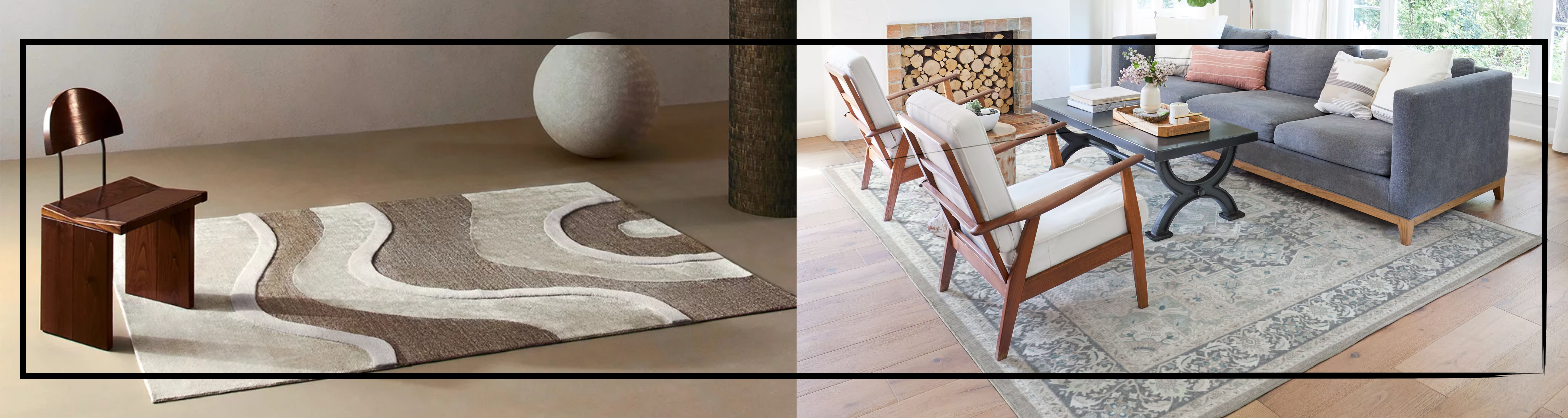
Rugs do hold dust, but this is not always bad. They trap particles instead of letting them float in air. This can help breathing if rugs are cleaned often. Hard floors let dust move freely. Low pile rugs work better for allergy prone homes. Wool has natural dust resistance. Regular vacuuming and airing reduce problems. Avoid thick shag rugs if allergies are strong. Clean rugs support cleaner air when cared for properly. The problem is neglect, not the rug itself. Clean habits make the real difference.
Handmade rugs show human touch. Small changes in weave and pattern give them character. They often use natural fibre and traditional methods. This makes them durable and unique. Machine made rugs are uniform and cost less. They suit modern needs and quick buying. Handmade rugs age better and can last decades. Machine rugs suit short term use. Better depends on purpose. For long life and depth, handmade wins. For speed and budget, machine made works. Both have a place in real homes.
Rugs work well even in warm regions. They protect feet from hot floors and add comfort. Flat weave and cotton rugs suit heat better than thick pile. Light colours reflect heat and feel cooler. Wool also regulates temperature and does not trap heat as much as people think. Rugs reduce echo and add calm to spaces with stone or tile floors. In Indian summers, breathable rugs feel better than bare hard surfaces. The key is choosing the right weave and fibre for the climate.
Rugs usually protect floors, not harm them. They reduce scratches from furniture and foot traffic. Problems arise when moisture gets trapped under rugs. This can affect wooden floors. Using rug pads allows airflow and grip. Regular lifting and airing prevents damage. Colour bleeding can occur if rugs get wet. Quality dyes reduce this risk. Clean and dry placement keeps floors safe. Rugs act like a buffer between daily life and flooring. With care, they extend floor life rather than shorten it.
Rug slipping is common on smooth floors. A rug pad underneath adds grip and safety. These pads also protect floors and extend rug life. For smaller rugs, anti slip mats work well. Furniture weight also helps hold rugs in place. Avoid folding edges as this causes tripping. A flat, well placed rug feels stable and safe. Slipping is not a rug problem but a setup issue. The right base makes all the difference in daily comfort and movement.
Rugs and pets can live together. Choose low pile rugs that resist snagging. Wool hides fur better than smooth synthetic. Dark or mixed tones mask stains. Easy cleaning matters more than pattern. Avoid delicate silk or high pile rugs. Regular brushing and cleaning keep rugs fresh. Rugs also give pets comfort and warmth. Scratching reduces when pets have soft surfaces. With smart choices, rugs become part of a pet friendly home, not a problem.
Colour sets mood. Light shades open up small rooms. Dark shades ground large spaces. Neutral colours age better and suit changing furniture. Earth tones feel calm and natural. Bold colours work as accents but need balance. Consider wall colour, floor tone and light. Rugs should connect these elements, not fight them. A rug does not need to shout to be noticed. Subtle colour with texture often feels richer over time. The best colour feels quiet but confident in the space.
Read More : Rug Styles Guide: Choosing the Right Rug for Your Home Architecture
Layering rugs adds depth and warmth. A large neutral base rug with a smaller textured rug on top works well. This adds interest without clutter. Layering helps mix old and new pieces. It also allows seasonal change without replacing everything. Flat rugs work best as base layers. Balance matters. Too many layers feel heavy. Done right, layering feels casual and lived in. It reflects real homes, not staged rooms. Layering tells a story of use and comfort.
Rugs help small spaces feel complete. They define areas clearly. Without rugs, small rooms can feel scattered. A single rug that fits most of the room works better than many small ones. Simple patterns and light colours open space visually. Avoid busy designs. Rugs also soften sound, which matters in small rooms. The goal is clarity, not decoration. A well sized rug gives structure and calm to tight spaces and makes them feel intentional.
Pattern choice depends on room activity. Busy rooms suit simple patterns. Quiet rooms allow detail. Large patterns suit large rooms. Small patterns suit compact areas. Consider furniture shape. Simple furniture pairs well with detailed rugs. Bold furniture needs calmer rugs. Patterns also hide wear and stains. Traditional patterns feel timeless. Modern patterns feel clean and graphic. Choose a pattern that supports daily life, not just first glance appeal.
All rugs fade with sun exposure. Natural dyes fade gently and evenly. Synthetic dyes may fade unevenly. Direct sunlight speeds this process. Rotating rugs every few months balances wear and colour. Using curtains or blinds helps. Fading is part of ageing, not failure. Many rugs look softer and better with time. The goal is slow change, not sudden damage. Care and placement control how a rug ages.
Rugs can be eco friendly when made from natural fibre and safe dyes. Wool, cotton and jute are renewable. Handmade rugs use less energy than factory made ones. Long lasting rugs reduce waste. Cheap rugs replaced often create more waste. Buying fewer, better rugs supports the environment. Caring for rugs extends their life further. Sustainability comes from use, not just material. A rug kept and loved for years is always the greener choice.
Rugs work well under dining tables when sized correctly. Chairs should stay on the rug when pulled out. Flat weave or low pile rugs clean easily. Patterns hide stains better. Avoid thick rugs that catch chair legs. Dining rugs add warmth and reduce noise. They also protect floors from spills. Cleaning habits matter more here. With the right choice, dining rugs feel practical and welcoming rather than risky.
Read More : Rug Materials Guide: Wool vs Cotton vs Silk vs Synthetic
Rugs connect people to space. They soften movement, absorb sound and define areas. They bring comfort where floors feel cold or hard. Rugs also carry memory. Many homes keep rugs for years, even generations. A rug witnesses daily life quietly. It supports furniture, feet and mood. Without rugs, rooms feel bare and unfinished. Rugs are not just decor. They are part of how a home feels lived in, grounded and complete.






 SignIn / SignUP
 Forgot password
 My Orders
 My Wishlist
  My Wallet
 My Invitee
 Sell with us
 New Arrivals