A revered Hindu festival, Papmochani Ekadashi holds a special place in the hearts of devotees worldwide. Marked on the 11th day of the lunar fortnight, usually in March or April, this sacred occasion beckons believers to embark on a journey of spiritual cleansing and renewal. At its core, Papmochani Ekadashi embodies the profound essence of forgiveness and redemption, offering solace to those seeking to absolve themselves of past transgressions and embrace a path of righteousness. It is believed that sincere observance of this day can wash away karmic burdens accumulated over time, helping individuals reconnect with their inner purity. The day serves as a reminder that spiritual growth is not linear, it is cyclical, involving reflection, repentance, and recommitment. Through fasting, prayer, and mindful living, devotees step away from worldly distractions and focus inward, reconnecting with higher values. Let us delve deeper into the significance of this auspicious day and the rituals that define it.
Papmochani Ekadashi is a significant Hindu festival celebrated on the 11th day (Ekadashi) of the lunar fortnight, typically in March or April. It is widely known for its spiritual importance, as it is believed to cleanse the soul of accumulated sins and negative karma. Rooted in ancient Hindu scriptures, this day emphasizes repentance, self-reflection, and moral purification. Devotees observe this day to reset their spiritual path, cultivate humility, and renew their devotion to righteousness. The observance is not merely ritualistic but philosophical, it urges individuals to acknowledge their flaws, take responsibility for past actions, and consciously choose better paths forward. By doing so, Papmochani Ekadashi becomes a transformative experience rather than just a ceremonial fast.
Papmochani Ekadashi will fall on Sunday, March 15, 2026. The Parana Time (the period to break the fast) is on March 16, from 06:30 AM to 08:54 AM. The Hari Vasara end time is on March 16 at 09:40 AM. Observing these timings is considered spiritually significant, as they align the devotees practices with cosmic rhythms described in Hindu traditions. These carefully calculated periods are based on lunar movements and planetary alignments, reflecting the deep astronomical knowledge embedded within Hindu calendrical systems. Adhering to these timings is believed to maximize the spiritual benefits of the observance and maintain harmony between human actions and universal cycles.
"Papmochani" translates to "the one who eradicates sins." This name reflects the central belief that observing this Ekadashi with sincerity can dissolve past wrongdoings, both intentional and unintentional. The term symbolizes moral cleansing, emotional healing, and spiritual rebirth, encouraging devotees to leave behind guilt and walk forward with renewed faith. It suggests that mistakes do not define a person permanently, awareness, repentance, and effort can reshape destiny. In Hindu philosophy, sin is not viewed as eternal condemnation but as ignorance that can be corrected through wisdom, devotion, and right action. Papmochani Ekadashi embodies this compassionate worldview.
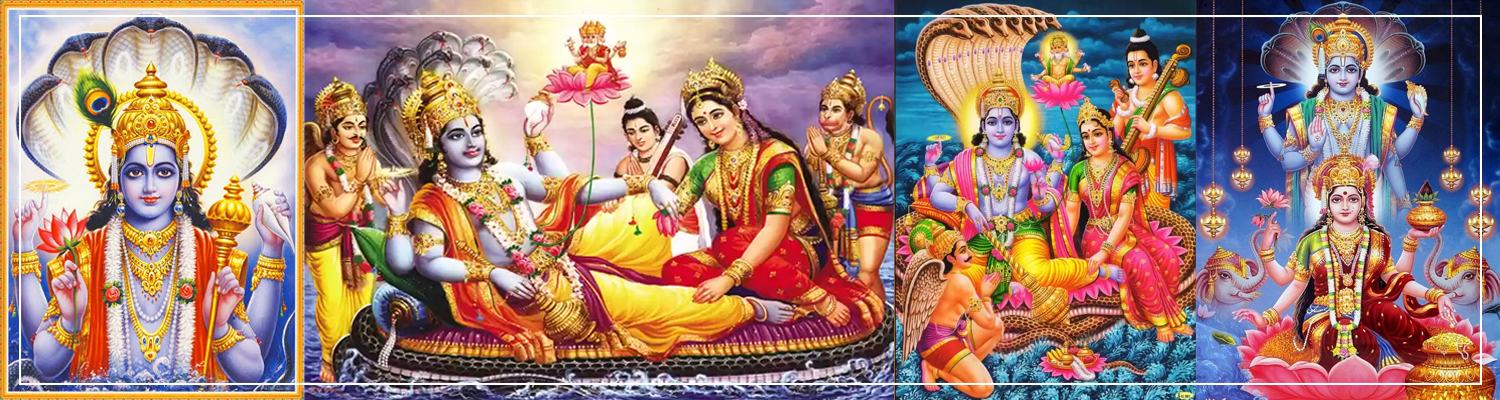
Papmochani Ekadashi honors Lord Vishnu, the preserver and protector of the universe in Hindu mythology. Devotees worship and seek forgiveness from Lord Vishnu through fasting, prayers, chanting sacred mantras, and meditative practices. Vishnu represents stability, cosmic order, and compassion, qualities essential for personal and societal harmony. On this day, devotees reflect on Vishnus ideals and attempt to embody them in daily life. By surrendering ego and seeking divine guidance, individuals aim to restore balance within themselves, just as Vishnu restores balance within the universe.
Devotees observe fasting, often refraining from food and sometimes even water throughout the day. They offer prayers to Lord Vishnu, recite sacred texts, and perform pujas to seek forgiveness for their transgressions. Many people also engage in acts of kindness, humility, and charity, believing that compassion toward others amplifies the spiritual rewards of the observance. Some devotees stay awake through the night, singing bhajans and listening to stories from the scriptures. The purpose of these rituals is not to cause physical hardship but to cultivate discipline, awareness, and spiritual sensitivity. Each act, whether prayer or fasting, becomes a symbolic step toward inner purification.
Read More: EXPLORING THE RICH HISTORY AND SYMBOLISM OF THE SWASTIK ACROSS CULTURES
While the core rituals remain consistent, regional variations influence how Papmochani Ekadashi is celebrated. In some areas, devotees participate in temple gatherings, storytelling sessions, and communal prayers. In other regions, people prefer solitude, introspection, and silent meditation. These differences highlight the diversity of Hindu traditions while preserving the festivals spiritual essence. Local folklore, linguistic customs, and temple practices add unique flavors to the observance. Despite these variations, the fundamental goal remains the same: moral purification, spiritual growth, and renewed devotion.
Seeking forgiveness is a central theme of Papmochani Ekadashi because it fosters emotional release, inner peace, and spiritual maturity. By acknowledging past mistakes and seeking divine mercy, individuals lighten their emotional burdens. This act of surrender helps repair relationships, restore balance, and strengthen ones connection with the divine. Forgiveness is not limited to asking for pardon from God but also includes forgiving oneself and others. This emotional cleansing allows individuals to move forward without resentment or guilt, making forgiveness a powerful tool for mental well-being and spiritual clarity.
Observing Papmochani Ekadashi at home can be simple yet deeply meaningful. Devotees may fast, chant Vishnu mantras, read sacred scriptures, and meditate. Rituals often include bathing the deitys idol, lighting incense or candles, and offering fruits, flowers, and water. These practices create a sacred atmosphere conducive to reflection and devotion. Even those with busy schedules can observe the day by maintaining mental purity, avoiding negativity, speaking kindly, and dedicating time to prayer or silent contemplation.
Charity and generosity are considered especially meritorious on Papmochani Ekadashi. Donating food, clothing, money, or essentials to the needy is believed to multiply spiritual blessings. These acts symbolize the release of attachment and ego, helping devotees cultivate compassion, gratitude, and humility. Hindu philosophy teaches that true purification is incomplete without kindness toward others. When one gives selflessly, the heart becomes lighter and more receptive to divine grace. Thus, charity becomes not only a social duty but also a deeply spiritual act of transformation.
Papmochani Ekadashi conveys a timeless message of self-reflection, forgiveness, and inner transformation. It reminds individuals that growth is always possible, regardless of past mistakes. The festival encourages mindfulness, ethical living, and the pursuit of spiritual wisdom. Rather than focusing on punishment, it emphasizes redemption. This compassionate message makes the observance deeply relevant even in modern times, where people struggle with guilt, regret, and emotional fatigue. Papmochani Ekadashi teaches that renewal is not only divine, it is deeply human.
Yes, fasting is an essential aspect of Papmochani Ekadashi. Devotees usually avoid grains, beans, onions, and certain vegetables. Some observe a waterless fast, while others consume fruits and milk. The goal is not just physical discipline but mental clarity and spiritual focus. By limiting sensory indulgence, devotees become more aware of their thoughts and emotions. This temporary restraint helps cultivate self-control and gratitude, reminding individuals that food is not merely sustenance but also a sacred offering.
Meditation plays a vital role in Papmochani Ekadashi as it quiets the mind, deepens awareness, and enhances spiritual receptivity. Through meditation, devotees confront their inner struggles, release guilt, and cultivate peace. This practice strengthens their connection with the divine and nurtures emotional healing. Meditation transforms the fast from a physical act into a spiritual experience. It allows individuals to observe their thoughts without judgment, creating space for insight, forgiveness, and renewal.
Read More: SHEETALA ASHTAMI: CELEBRATING GODDESS SHEETALA, SYMBOL OF HEALING | FESTIVAL INSIGHTS
Although Papmochani Ekadashi is a Hindu festival, its spiritual values, repentance, forgiveness, and renewal, are universal. People from various faiths may participate in its observance as a form of spiritual detox, introspection, and emotional healing. The festivals emphasis on self-awareness and moral improvement makes it relevant across cultures. Many individuals view it not only as a religious observance but as a day of mindful living, silence, and intentional kindness.
Observing Papmochani Ekadashi is believed to purify karma, promote emotional clarity, and strengthen spiritual discipline. It helps individuals develop patience, humility, and gratitude while fostering a deeper connection with the divine. Many devotees also report increased mental peace and moral awareness. Beyond religious merit, the observance improves self-control, emotional regulation, and introspection. Over time, these qualities lead to healthier relationships, clearer thinking, and a more meaningful life.
Read More: YAMUNA CHHATH: CELEBRATING HINDU TRADITION AND RIVER WORSHIP
In essence, Papmochani Ekadashi stands as a beacon of hope and renewal, guiding devotees toward inner transformation and spiritual clarity. Through fasting, prayer, meditation, and generosity, believers immerse themselves in an atmosphere of compassion and self-awareness. This sacred observance reminds us that no soul is beyond redemption, and every moment holds the potential for renewal, grace, and divine connection. It teaches that spiritual growth is not about perfection, but about sincere effort, reflection, and the courage to begin again.






 SignIn / SignUP
 Forgot password
 My Orders
 My Wishlist
  My Wallet
 My Invitee
 Sell with us
 New Arrivals