Every fashion accessory begins with a material decision. This choice shapes how the piece looks, feels, ages, and fits into daily life. A handbag holds its form because of the surface it is made from. Jewelry feels heavy or light because of the metal underneath. Materials decide comfort, strength, and long term value.
In India, materials are never neutral. Leather carries stories of craft and labor. Gold and silver move between ritual and style. Fabric reflects weather, region, and routine. Modern accessories pull from these layers and rework them for present use. Knowing materials helps people make clearer choices and avoid short lived trends.
This guide explains the most common accessory materials in a simple and direct way. It looks at origin, feel, durability, and real life use so decisions feel grounded rather than confusing.
Natural materials come from plants and the earth. They feel familiar and often softer to touch. These materials usually age with time and show use rather than hiding it. They suit people who prefer warmth, texture, and an organic look.
Fabric based materials are widely used in bags, scarves, belts, and small accessories. Cotton is light, breathable, and easy to maintain. It works well for casual bags, daily totes, and summer accessories. Cotton takes color well, which is why printed fabric bags are common in local markets and campuses. Over time, cotton may lose structure if the inner support is weak.
Linen feels crisp and slightly rough. It holds shape better than cotton and suits clean, minimal designs. Linen creases easily, but many people see this as part of its natural charm. It fits warm climates and relaxed styling.
Jute is stronger and rougher. It is often used in utility bags, beach bags, and ethnic accessories. Jute carries a handmade and rural feel. It is not ideal for wet conditions, but it works well for light and occasional use.
Wool appears mainly in winter accessories such as scarves and caps. It adds warmth and texture but needs careful handling. Wool based accessories suit seasonal wear rather than year round use.
Fabric accessories work best when comfort and lightness matter more than structure. Stitching, lining, and edge finishing play a major role in how long these materials last.
Read More : The Complete Guide to Fashion Accessories- From Utility to Identity
Animal based materials are valued for strength, flexibility, and long life. They are often linked with premium accessories because they handle repeated use better than most alternatives.
Leather is one of the most used materials in accessories. It comes from animal hide and becomes usable through tanning. Different treatments result in different textures and strength.
Full grain leather keeps the natural surface of the hide. It is strong and develops marks over time, which many people consider a sign of character. This type works well for handbags, belts, wallets, and footwear meant for long term use.
Top grain leather is lightly treated to remove surface marks. It looks smoother and more even. It balances durability and ease of care and is common in everyday accessories.
Genuine leather usually refers to lower layers of the hide. It is real leather but softer and less durable than higher grades. It suits moderate use accessories.
Suede and nubuck have a soft, brushed surface. They feel rich but stain easily. These are better suited for occasion wear rather than daily handling.
Leather craft has deep roots in India, from traditional footwear to hand stitched bags. Many modern leather accessories still carry this quiet heritage, even when the design feels urban and minimal.
Leather works best when long life and comfort matter. Thickness, flexibility, and surface finish indicate quality more clearly than shine.
Metals give accessories shape, strength, and presence. They define jewelry and also appear in chains, clasps, buckles, and frames. The type of metal affects weight, skin comfort, and how the piece ages.
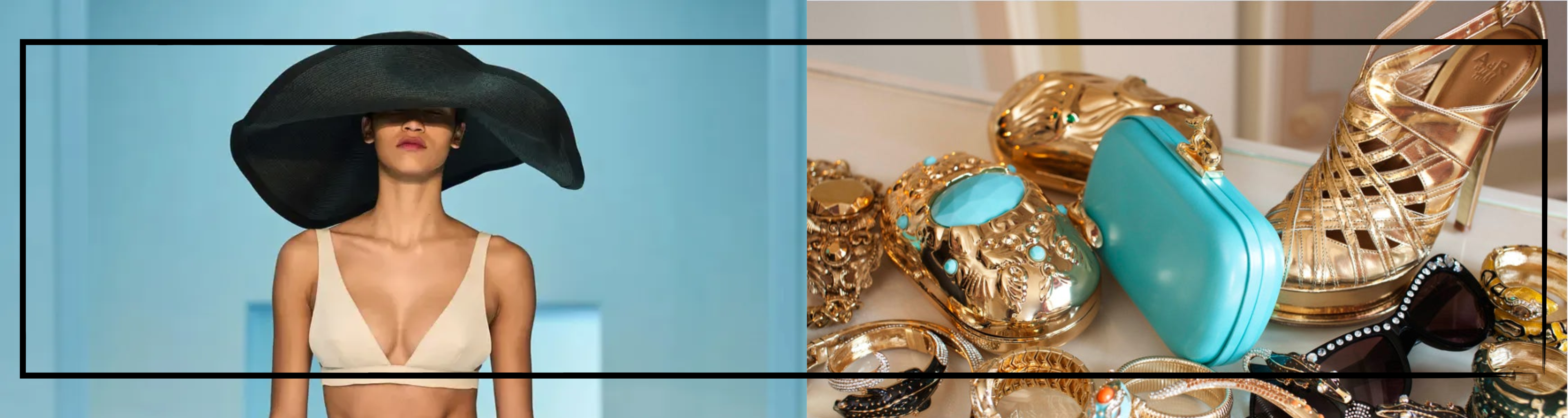
Gold holds strong cultural value and appears in both daily and ceremonial jewelry. Pure gold is soft, so it is often mixed with other metals for strength. This balance makes it suitable for regular wear.
Silver is widely used in rings, earrings, anklets, and statement pieces. It fits both traditional and modern styles. Silver may darken over time, but it can be cleaned easily.
Brass and copper are common in handmade and folk jewelry. They have warm tones and are often shaped into bold forms. These metals may react with skin, which is a natural process and not harmful.
Stainless steel is strong, affordable, and resistant to rust. It is commonly used in watches, chains, and contemporary jewelry. It suits active routines and requires little care.
Alloys combine different metals to control strength, color, and cost. Many fashion jewelry pieces use alloys with surface plating to achieve a polished look.
For metal accessories, finish and balance matter. Smooth edges, even coating, and comfortable weight indicate good construction.
Synthetic materials are human made and designed for consistency and flexibility. They often imitate natural materials or create new visual effects that natural options cannot offer.
Faux leather is designed to resemble leather while using synthetic layers. PU is the most common form. It offers a clean and uniform look and supports trend focused designs.
This material is lighter and easier to maintain than natural leather. It does not change with age in the same way and may show wear sooner, especially in hot conditions.
Faux leather works well for accessories that follow seasonal styles rather than long term use.
Plastic and acrylic appear in jewelry, frames, bangles, and decorative accessories. These materials allow bold shapes, bright colors, and playful forms.
Resin is often used in modern jewelry. It can hold pigments, metal pieces, or natural elements inside. Resin accessories are light and visually striking, though they may scratch over time.
Synthetic materials suit expressive designs and short term style updates. Surface smoothness and overall balance help judge durability.
Material choice should match daily routine, climate, and personal style. Structured bags benefit from stronger surfaces. Soft accessories suit relaxed use. Humidity affects metal and leather differently. Fabric works better in heat, while leather needs care in moisture.
Students, professionals, and frequent travelers all have different needs. Understanding materials makes it easier to choose accessories that fit real life rather than ideal images.
Recycled materials entered fashion through necessity rather than trend. As waste increased and raw resources became limited, makers began turning to what already existed. Plastic bottles were processed into fibers. Old metals were melted and reshold. Fabric waste was reused in linings and trims. Over time, this practice moved from problem solving to thoughtful design.
In accessories, recycled materials are most visible in bags, jewelry, and hardware. Recycled polyester is widely used in backpacks, sling bags, and travel accessories because it offers strength with lower resource use. Recycled metals appear in chains, hooks, and fashion jewelry, where performance remains the same as newly mined metal. The value lies in reduced impact without loss of function.
Indian culture has long practiced reuse in daily life. Old clothes become dusters, containers are reused, and materials are rarely wasted without purpose. Recycled accessories quietly reflect this mindset in a modern form. They feel familiar rather than forced, rooted in habit rather than trend.
Smart materials focus on response and performance. They are designed to react to movement, weather, and daily wear. As accessories become part of long hours and active routines, these materials play a larger role.
Water resistant fabrics protect contents during rain and spills. Some use surface coating while others rely on tight weaving. This difference affects breathability and long term comfort. Memory foam padding appears in straps and back panels, adjusting to body shape and reducing pressure during extended use.
Heat stable metals and treated plastics resist discoloration and surface damage in warm climates. This matters in regions with high heat and humidity, where untreated materials often fade or warp. Smart materials prioritize comfort, protection, and ease of use while staying visually clean.
Read More : The History of Fashion Accessories- From Survival Tools to Status Symbols
Materials change with time, and this change reveals their true nature. Aging is not damage when quality is strong. It is a record of use.
Leather softens, darkens, and forms natural creases. Well made leather ages evenly and remains strong. Poor quality leather cracks and peels as surface layers fail. Fabric fades depending on dye and sun exposure. Strong fabric keeps shape while weaker fabric thins and stretches.
Metals react with air and skin. Silver darkens. Brass deepens in tone. These changes can be cleaned or left untouched as character. Low quality plating fades unevenly and exposes base metal. Synthetic materials show wear faster, though higher grade versions age more slowly and keep structure longer.
Quality reveals itself through consistency rather than surface shine. Materials should feel balanced in hand, neither brittle nor overly stiff. Flexibility indicates durability.
Edges, seams, and joins matter more than decoration. Clean stitching and smooth edges show care in construction. Uneven seams and rough finishes suggest short lifespan. Weight balance also signals strength, as accessories should feel stable rather than hollow.
Natural materials carry subtle texture and mild scent. Strong chemical smell often points to heavy surface treatment. When material, structure, and finish align, the accessory feels dependable.
Materials shape how an accessory fits into daily life. They affect comfort, strength, care, and long term satisfaction. Recycled materials reflect responsibility. Smart materials support modern routines. Aging shows honesty. Quality appears through touch and use.
Read More : Fashion Accessories Types- A Complete Classification Guide
When materials are understood, choices become clearer and more intentional. Accessories then move beyond appearance and become part of everyday rhythm.






 SignIn / SignUP
 Forgot password
 My Orders
 My Wishlist
  My Wallet
 My Invitee
 Sell with us
 New Arrivals