Accessories speak, long before before recorded history, humans learned to place meaning into things they could carry, wear, and pass on. A ring on a finger. Beads around a neck. Metal touching skin. These were never random choices. They were signs. Quiet signals that told others who you were, where you belonged, and how you wished to be seen.
Accessories live at the edge between the personal and the public. They sit close to the body, yet face the world. Clothing covers. Accessories communicate. This is why they survive every change in fashion. Styles rise and fall, but jewelry remains. It adapts, reshapes, and returns with new language while keeping old meaning intact.
Today, accessories still do the same work they always did. They mark identity. They suggest power. They carry memory. They help people feel complete. In modern life, where first impressions travel fast and attention is short, these small objects often speak louder than entire outfits. Understanding what they symbolize helps people choose better. Not just for beauty, but for alignment with self, culture, and purpose.
Human beings are social animals. We read signs instinctively. Tone of voice. Posture. Clothing. Objects extend this system. They allow people to send messages without speaking.
Anthropologists have long noted that early societies used objects as markers of belonging. Shells, bones, stones, and metals were worn to show tribe, role, or achievement. A hunter wore proof of skill. A leader wore signs of authority. A healer carried sacred symbols. These items created order and recognition within groups.
Over time, signaling became more layered. Objects began to carry emotional value, not just social function. A necklace could mark marriage. A ring could carry family history. Earrings could signal adulthood. The object stayed small. The meaning grew large.
In modern settings, the same logic holds. A watch suggests discipline or taste. A ring may hint at commitment or independence. Minimal jewelry can signal restraint. Bold pieces can suggest confidence or rebellion. None of this is accidental. Even when people say they wear accessories only because they like them, the choice still reflects values shaped by culture and experience.
There is also comfort in signaling. Objects help people anchor identity in uncertain spaces. In cities where strangers meet daily, accessories offer familiarity. They say, this is who I am. This is what I value. This is where I stand.
Read More : Fashion Accessories Types- A Complete Classification Guide
Jewelry categories may look simple, but each carries its own language shaped by history, ritual, and daily use.
Rings are circles. No beginning. No end. This shape alone explains their lasting power. Across cultures, rings have been linked to promise, control, unity, and authority.
In ancient Rome, signet rings carried family seals. They marked status and allowed power to travel through documents. In India, rings appear in marriage rituals, astrology, and tradition. Toe rings once marked marital status. Gemstones were chosen based on planetary belief. The ring became a bridge between the body and cosmic order.
Today, rings still hold weight. A wedding band signals commitment. A statement ring suggests self assurance. A minimal band can reflect quiet confidence. Rings are often worn daily, which turns them into companions rather than accessories.
People choose rings carefully because they are always visible. They appear in hand movements, greetings, and gestures. A ring becomes part of how a person is seen in motion. This makes craftsmanship, comfort, and material quality crucial. A poorly made ring irritates. A well made one disappears into daily life while still speaking clearly.
Necklaces sit near the heart. This placement has always given them emotional depth. Across time, necklaces carried protection, faith, and memory.
Ancient Egyptians wore amulets close to the chest for spiritual safety. In many Asian cultures, necklaces marked blessings and prosperity. Gold chains were gifted at birth, marriage, and milestones. The necklace became a keeper of life events.
In modern fashion, necklaces balance expression and intimacy. A pendant can hold personal meaning known only to the wearer. A bold chain can signal strength or modern style. Layered necklaces show creativity and ease. Short lengths feel structured. Longer ones feel relaxed.
Necklaces frame the face and upper body. They influence how clothing sits and how posture appears. This is why length, weight, and design matter. A good necklace does not overpower. It enhances presence.
Earrings live at the edge of attention. They move. They catch light. They draw eyes upward. This makes them powerful tools of expression.
Historically, earrings marked identity. In some cultures, they showed tribe or region. In others, they marked rites of passage. Sailors wore them as symbols of travel and protection. Royalty wore them as signs of wealth.
Today, earrings are the most versatile jewelry form. Studs suggest clarity and simplicity. Hoops carry confidence and rhythm. Dangling styles add drama and softness. Ear cuffs and multiple piercings reflect modern freedom.
Earrings affect how faces are perceived. They can soften sharp features or add structure to round ones. They influence mood. Heavy pieces feel bold. Light ones feel effortless.
Comfort matters deeply here. Weight balance, backing quality, and finish decide whether earrings feel empowering or tiring. Buyers often return to brands that get this right. Trust builds when a product respects the body.
Symbols are not fixed. They shift across regions, beliefs, and time. What signals strength in one culture may signal mourning in another. Understanding this adds depth to accessory choices.
In India, jewelry carries layered meaning. Gold represents prosperity and security. Silver connects to purity and calm. Bangles mark marital status. Nose rings vary by region, each with its own story. Jewelry is not optional here. It is woven into life events, rituals, and family heritage.
In Africa, beads tell stories. Color, pattern, and material reveal age, role, and community. Jewelry becomes language. Each piece is readable to those who know the code.
In East Asia, jade holds deep value. It symbolizes balance, virtue, and protection. It is worn across generations, carrying emotional continuity rather than trend value.
Western cultures often link jewelry to individuality. Pieces are chosen to stand out rather than belong. Minimal designs reflect modern pace. Vintage pieces connect wearers to nostalgia and personal narrative.
Globalization has blended these systems. A modern buyer may wear a gold chain rooted in tradition with contemporary clothing. This mixing creates new meaning. Accessories become bridges between past and present.
In a digital world, physical symbols gain new value. Screens flatten identity. Accessories restore texture. They bring weight, temperature, and presence back into daily life.
Accessories also offer flexibility. A simple outfit can shift mood with one piece. This makes them smart purchases. One necklace can work across settings. One ring can anchor many looks.
Emotion plays a role. People often attach memories to accessories. A gift received at a turning point. A piece bought after achieving something difficult. These objects become emotional bookmarks.
From a practical view, accessories last longer than clothing. Good jewelry does not wear out quickly. It moves across seasons and ages. This makes quality and design crucial. Buyers increasingly prefer fewer pieces that carry more meaning.
A thoughtful choice begins with self awareness. What feels natural on the body. What aligns with daily life. What stories matter.
Material matters. Skin contact demands care. Finishes should be smooth. Clasps should feel secure. Weight should feel balanced. These details shape experience more than appearance.
Design matters too. Trends fade. Symbols endure. Clean forms age better. Subtle detailing often carries more depth than excess decoration.
Cultural roots add richness. Knowing where a design comes from builds connection. Pieces that respect tradition while fitting modern life tend to last longest in both style and sentiment.
Color is often the first thing the eye reads. Before shape. Before material. Color sets mood and message at once. In accessories, color holds deep cultural and emotional weight.
Gold has long stood for wealth and security. In many cultures, it is linked to the sun, life, and continuity. In India, gold is tied to prosperity and blessing. It is gifted at births, weddings, and festivals. It is worn not only for beauty, but for faith in stability. Buying gold jewelry often feels like an emotional investment, not a fashion one.
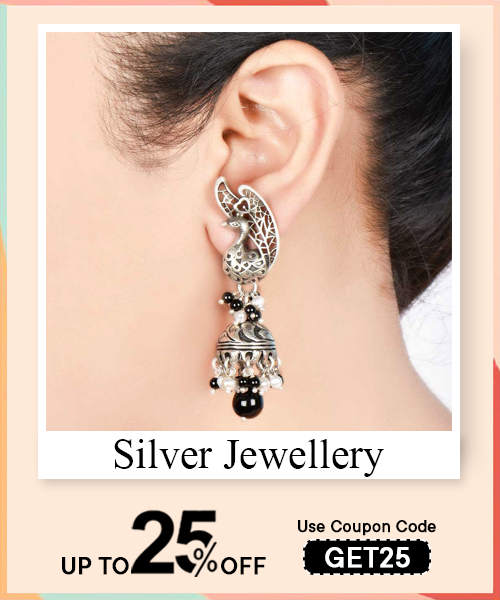
Silver carries a quieter tone. It reflects calm, clarity, and balance. Across regions, silver has been linked to protection and purity. It feels closer to the skin. Less ceremonial. More daily. This is why many people choose silver for regular wear. It blends with life instead of standing apart from it.
Black in accessories signals strength and control. A black stone ring or a dark watch face suggests focus and seriousness. In modern style, black often stands for restraint. It avoids excess. It suits people who prefer clarity over display.
White and pearl tones speak of softness and care. Pearls have symbolized wisdom and grace across cultures. Once rare and precious, they carried status quietly. Even today, pearls suggest maturity and calm rather than trend chasing.
Red holds strong emotion. In many Asian cultures, red means joy, energy, and celebration. Bridal jewelry often carries red stones. In other settings, red can signal power or passion. Red accessories draw attention, even in small amounts.
Blue often connects to trust and depth. Lapis, sapphire, and turquoise have been worn for protection and truth. Blue feels stable. It suits people who want presence without tension.
Color choices in accessories often reveal inner needs. Comfort. Confidence. Visibility. When buying, people respond to colors that reflect emotional states, not just outfits. This is why timeless colors sell longer. They stay relevant across moods and years.
Luxury has always relied on signs. Not everyone can access rare materials or skilled craftsmanship. Objects became proof of access. Over time, this proof developed language.
In the past, luxury meant scarcity. Gold that took effort to mine. Stones carried across regions. Craft passed down through generations. Wearing such items showed power and reach.
In modern markets, luxury still signals access, but the signals have evolved. It is no longer only about cost. It is about finish, detail, and intent. People notice weight, texture, closure, and balance. A well made clasp speaks louder than a visible logo.
Luxury accessories often avoid excess decoration. They rely on proportion and material quality. Smooth edges. Clean joins. Comfortable wear. These details suggest care and control.
There is also time embedded in luxury. Pieces that do not rush trends. Designs that last beyond seasons. Buyers today value longevity. They want objects that age well, both physically and visually.
Cultural context shapes luxury meaning. In some societies, visible gold still signals success. In others, restraint carries more weight. A thin chain may suggest confidence more than a heavy one. A simple watch may suggest discipline more than a flashy one.
Luxury also connects to emotion. People buy high quality accessories to mark moments. Achievement. Transition. Growth. The object becomes a reminder of effort. This emotional layer adds value beyond material.
Read More : The History of Fashion Accessories- From Survival Tools to Status Symbols
In recent years, there has been a clear shift in how people express value. Loud branding once dominated. Large logos. Bold marks. Immediate recognition. This style worked in times when visibility meant success.
Today, many buyers are moving toward restraint. Quiet luxury focuses on design rather than display. It values materials over marks. It trusts the wearer rather than the label.
Quiet luxury pieces often look simple at first glance. Their strength appears in use. Comfort. Balance. Finish. They feel right on the body. They do not ask for attention. They earn it over time.
Loud branding still has a place. It suits people who enjoy expression and statement. It works well in street culture and trend driven spaces. It offers instant recognition. For some buyers, this is empowering. It signals arrival.
The difference lies in intention. Quiet luxury speaks to self assurance. Loud branding speaks to visibility. Neither is wrong. They serve different emotional needs.
Cultural factors influence this choice. In societies where modesty is valued, subtle pieces feel appropriate. In fast moving urban cultures, bold branding can feel energizing.
From a practical view, quiet luxury often offers longer use. Simple designs pair with more outfits. They age better. Loud branding may feel tied to a moment.
Brands that understand this shift design with choice in mind. They offer clarity without forcing noise. They respect the buyers intelligence. This builds loyalty.
Accessories sit close to the body. They influence posture, movement, and comfort. They also shape how others respond.
Color affects mood and perception. Luxury signals influence trust and respect. Branding style shapes identity. These factors work together.
When people understand what accessories communicate, they buy with purpose. They choose pieces that support daily life. Work. Social spaces. Rituals.
Quality matters more than quantity. One well chosen piece can replace many average ones. This saves effort and builds consistency.
Cultural meaning adds depth. Accessories rooted in tradition feel grounded. When modern design meets cultural awareness, the result feels complete.
Accessories are not decoration. They are signals shaped by color, material, and design language. Gold, silver, black, and red each carry emotion and history. Luxury speaks through finish and care, not just cost. Quiet value and bold display serve different needs.
Read More : How to Style Fashion Accessories: A Science of Balance, Contrast, and Identity
Choosing the right accessory means choosing alignment. With self. With culture. With daily life. The best pieces feel natural on the body and clear in message. They stay useful, meaningful, and trusted long after trends move on.






 SignIn / SignUP
 Forgot password
 My Orders
 My Wishlist
  My Wallet
 My Invitee
 Sell with us
 New Arrivals