A front door is often the first thing people notice. A door knocker becomes a small but powerful detail that shapes this first moment. It gives a sound, a feel and a look that hints at the world behind the door. Many people choose a design by style alone, but the real strength of a door knocker comes from the metal itself. The metal affects how long it will live, how much care it needs, how it reacts to weather and how it sounds when struck. A well-chosen piece can last for generations. A poor choice can dull, corrode or fail much earlier.
When exploring options, it helps to think of metal as a blend of strength, cost and character. The right choice also depends on where the home stands. Dry zones behave differently from humid zones. A mountain town gives different challenges than a coastal village where salt floats in the air. Homes with wooden doors, stone frames or metal frames also influence which option fits.
This guide lays out how the main metals behave, where each shines, where each struggles and how each ages. It also gives ideas on which styles match them, so a home can feel aligned from the very first knock.
Follow the link to know more about metal door knockers.
Every metal has a story. Some metals stay bright and calm. Some metals darken with age. Some metals respond well to polish. Some metals fight rust on their own. These qualities come from how the metal interacts with air, sunlight, humidity and touch.
A key part of choosing a door knocker is life span. Some pieces can serve for decades with only light care. Others need regular attention. A few need yearly checks to prevent rust from spreading. Without knowing these traits, owners often end up surprised when tarnish or flakes appear. A house in a dry inland region may keep a metal bright for many years. That same metal near the sea may lose shine in a few weeks.
Climate plays a huge part:
- Warm humid climates speed up tarnish
- Cold climates can weaken protective layers
- Coastal zones expose metal to salty air, which is harsh on many surfaces
Care routines also matter. A piece that needs light wiping might suit a busy household, while a piece that needs monthly polishing may only suit someone who enjoys maintenance as a calming ritual.
Material choice also affects the emotional tone of a home. Metals with warm colour tones give comfort and tradition. Grey or silver tones give clean, modern calm. Dark metals give strong character and a touch of drama. When all these parts meet, the door looks like it truly belongs to the home, not something simply attached.
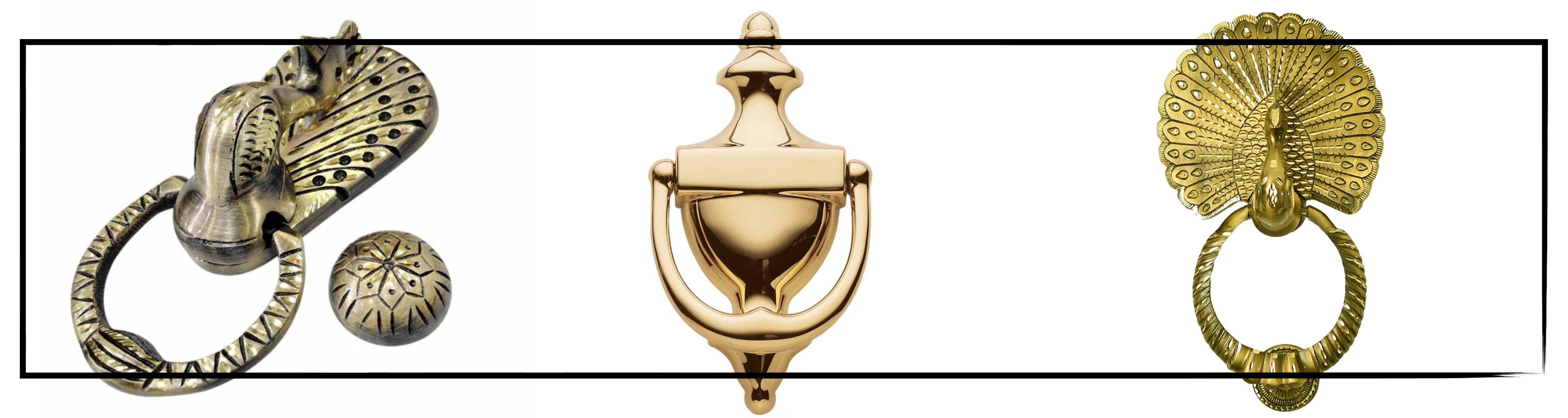
Solid brass has been loved for centuries. It feels warm in the hand and holds a steady shine. When struck, it produces a confident note that many people find pleasing. It brings a sense of old-world charm and fits homes that enjoy historic or classic touches.
Unlacquered brass uses a blend of copper and zinc. This mix gives a golden tone that changes slowly over time. As air and touch interact with it, the metal forms a soft brown layer. This slow change is called patina. Many people cherish this because it adds depth and personality. The piece becomes more unique each year, almost like a living metal that keeps a memory of the hands that touched it.
This metal can serve for more than fifty years when cared for. It has a heavy feel. Even a medium piece stays between one and three pounds. That weight gives a calm, steady sound. When someone knocks, you can feel the firm vibration through the door.
To keep the shiny look, monthly polishing helps. The shine returns quickly since brass responds fast to gentle rubbing. If you prefer the aged look, you can simply leave it. The metal will darken and settle into a rich tone.
Unlacquered brass does not enjoy salty air. In coastal zones, it darkens much faster. Homes along beaches see quicker changes because salt speeds up the reaction on the surface.
This metal fits well with classic homes like Colonial, Georgian, Victorian and older urban houses with wood doors or stone frames. Its higher cost comes from the long life, warm colour and traditional appeal. It stands as a premium choice for those who value depth and history in their entryway.
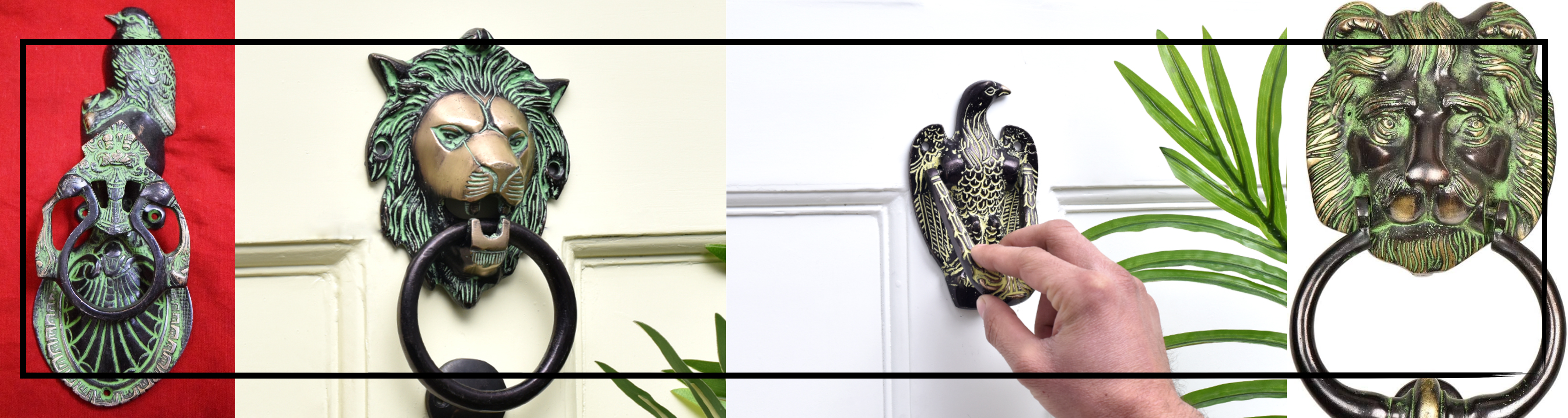
Lacquered brass keeps the bright look without much care. A clear coat is added to the surface. This shield holds off tarnish and keeps the golden tone neat and steady. For many homeowners, this creates the ideal blend of charm and convenience. The shield lasts for two to three decades before it starts to weaken.
Cleaning this metal is simple. Gentle washing with mild soap is enough. Strong cleaners should be avoided because they can harm the shield. This makes lacquered brass a friendly choice for people who want shine without polish.
It holds up better than unlacquered brass in coastal zones, though it still cannot fight salt forever. The surface will stay bright longer, which is a plus for seaside homes that want classic gold tones.
Price sits in the mid range because the metal is strong but the process of adding the shield adds cost. Many people choose this for its stable look and easier care routine.
Here is how to check if a piece is real solid brass.
- A magnet will not cling.
- The weight will feel firm for the size.
- If a scratch shows bright silver, it is not real brass.
- A price that feels too low often hints at plating.
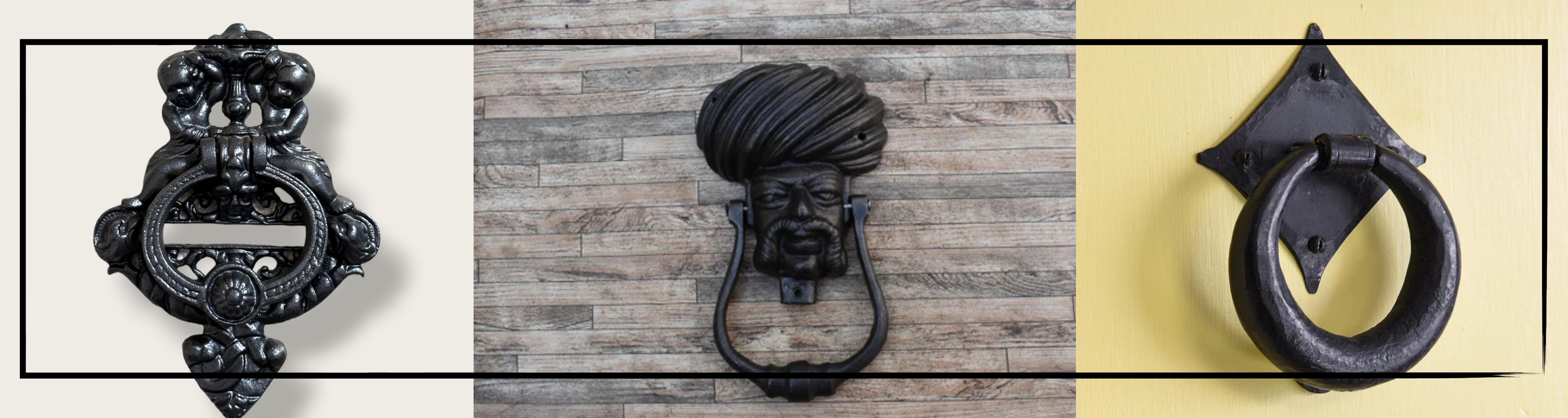
Cast iron carries a strong, grounded feeling. It belongs to a different world from bright metals. It feels old, powerful and rooted. Many homes that want a link to craft, land or tradition choose cast iron.
Cast iron pieces can live for more than a century when cared for. They are heavier than brass. Many weigh between two and five pounds. Because of this weight, they often need bolts that go through the door rather than short front screws. The sound they give is deep and bold. There is a sense of presence when someone knocks.
Cast iron forms a rust layer over time. Some people enjoy how this gives a weathered, earthy look. In some towns, old iron gates, bells and door hardware with this look are considered warm reminders of the past. But rust can also become damaging if it grows uncontrolled. The good news is that iron reacts well to simple care.
It fits homes with natural or historic themes. Cottage homes, Tudor fronts, stone farmhouses, countryside homes and timber-framed houses all pair well with cast iron. Its mid-range price makes it accessible without losing charm.
Care is important.
- Check it once a year for rust spots.
- Add a layer of wax or clear coat from time to time.
- If a rust spot appears, treat it soon to stop spread.
- It does not do well in coastal zones because salty air speeds rust.
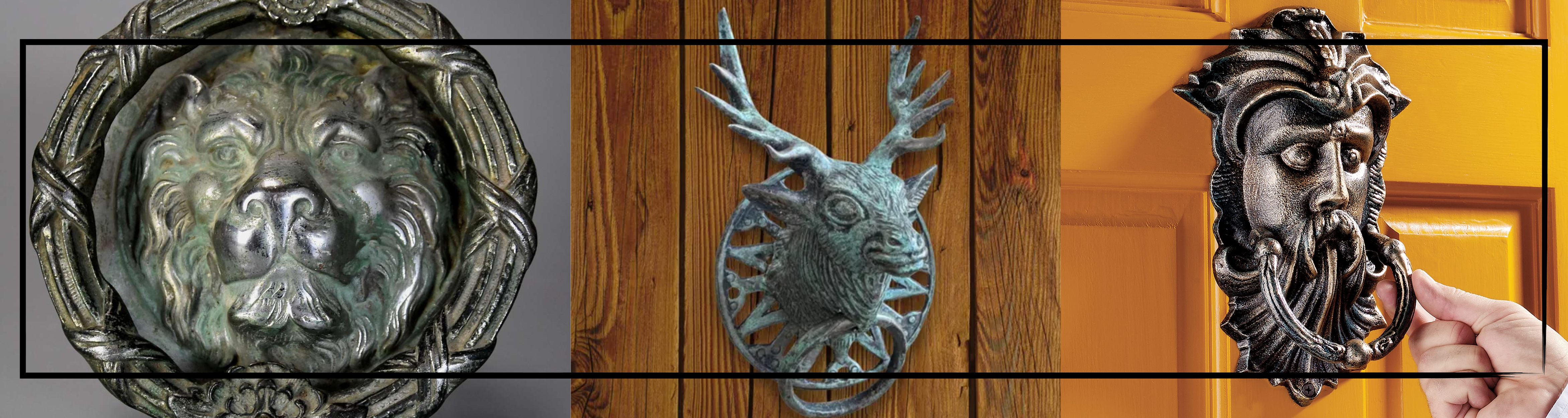
Cast iron is shaped by pouring melted metal into molds. This allows very fine detail. You will often find ring shapes, lion heads, hand shapes and other carved motifs. Wrought iron, which is hammered by hand, leads to simpler shapes but stronger flexibility.
Stainless steel brings calm, clean, straight lines. It suits modern homes, minimalist style and smooth doors with little ornament. This metal stays bright without changing colour. It does not produce a warm tone like brass nor a rustic look like iron. Instead, it gives a clear silver tone that stays steady.
It will not rust in normal settings. Even in harsh climates, it holds up well. Many coastal homes choose stainless steel because it handles salty air with grace. Light wiping keeps it fresh. It needs almost no other care.
The life span is nearly lifetime. That also makes it cost more. But many people consider this a long-term investment. The metal remains sharp and clear even after many years of rain, sun and touch.
There are two types.
- Type 304 works well for most homes.
- Type 316 is made for harsh coastal zones. It handles salt better and stays shiny for a very long time.
Both types hold their shape without patina or fading. For homes that want a clean entrance with no colour change, this metal stands at the top.
Bronze feels ancient and noble. It uses copper and tin to create a deep golden-brown tone. Over many decades, it slowly grows a blue-green surface called verdigris. This layer appears on statues, old temples and historic gates. It carries a sense of time and story.
A bronze door knocker can serve anywhere from fifty to more than one hundred years. It stands strong through many climates and rewards those who enjoy slow aging. Each bronze piece becomes a quiet work of art as the surface changes.
It suits old houses, grand homes, heritage buildings and places that want a link to history. Many restorations choose bronze because it matches old hardware found in palaces, forts and ancient guest houses.
Its cost is the highest because the metal is less common and requires skill to shape. But the beauty it creates over time often makes the price feel justified. The image shows a bronze knocker with green edges forming over time.
PVD is a high-tech method that places colour onto metal in a way that becomes part of the surface itself. It does not sit like paint. It bonds at a tiny level so it will not peel or fade. It stays bright even in strong sun, rough weather and salty air.
This method gives a life span of more than twenty-five years with almost no change in colour. Many coastal homes choose PVD because it gives the freedom to enjoy gold, black or bronze tones without the fear of corrosion. It also resists scratches and stains.
It suits homes that want strong colour and long life. The finish does not require polish. Even when handled often, the tone stays crisp.
Its cost sits at the top level because of the advanced process. But for homes in harsh climates, PVD offers freedom from worry and steady beauty. The comparison image shows how PVD stays stable beside traditional coatings.
Metal gives life to a door knocker. It shapes how it feels, how it sounds and how it ages. Brass offers warmth and a link to history. Cast iron brings strength and depth. Stainless steel stays bright and clean for many years. Bronze gives noble aging that unfolds across decades. PVD provides modern colour that stays untouched by weather.
Choosing the right metal means thinking about climate, house style, care habits and taste. When all these parts align, the front door becomes a welcoming story. A good door knocker becomes a small but lasting part of the homes identity, greeting every visitor with a clear, confident knock.
| Material | Lifespan | Patina | Maintenance | Coastal (within 5 miles) | Weight | Acoustic | Price |
| Solid Brass (Unlacquered) Victorian |
Long |
Ages to warm brown |
Wipe and polish occasionally |
Poor tarnishes quickly |
Medium |
Bright, clear ring |
High |
| Solid Brass (Lacquered) Traditional low maintenance |
Medium |
No natural patina |
Low wipe only |
Weak lacquer peels in sun/salt |
Medium |
Bright |
Medium |
| Cast Iron Rustic |
Medium |
Darkens, may show rust |
High paint or seal often |
Bad rusts fast near salt air |
Heavy |
Deep, solid thud |
Low |
| Stainless Steel 304 Modern |
Long |
No patina |
Low wipe with water |
Good resists many conditions |
Medium |
Sharp, crisp |
MediumHigh |
| Stainless Steel 316 (Marine) Coastal modern |
Long |
No patina |
Very low best for salty air |
Very good made for sea air |
Medium |
Sharp, clear |
High |
| Bronze High end |
Long |
Lovely warm patina |
Medium clean and wax yearly |
Good holds up but needs care |
Heavy |
Warm, rounded tone |
High |
| PVD Coated (various bases) |
Long |
No natural patina |
Low surface holds finish |
Very good coating resists corrosion |
Medium |
Crisp |
High |
A home is shaped by its air. Dry heat, salty wind or warm moisture each leave their own marks on metal. A brass door knocker reacts in one way, a cast iron door knocker in another. The best material door knocker is the one that fits the air around your door as much as the look you want. This is the part many people skip. Yet the effect is slow and steady, like a story written on metal over years.
A house near the sea will always feel the breath of salt. Salt rests on metal and pulls moisture from the air. That mix sits on the surface and eats into it. Even a small amount does this. This is why some knockers turn dull within days in these areas. Unlacquered brass darkens fast. Cast iron breaks down even faster. You see reddish marks first, then small flakes. Lacquered brass holds for a short time but the top coat breaks when sun and salt work together. Once the coat breaks, the metal underneath starts changing tone and shape.
This is where stronger shields help. PVD coated brass holds colour and blocks the bite of salt. The coating is hard and uniform. It resists pinholes that usually weaken other layers. 316 marine grade steel is another strong pick. It was made for sea vessels and docks. It stands strong even when salt sits on it each day. A simple wash every month keeps the surface clear. A light wax four times a year slows the touch of air and adds a soft shine.
Far from the sea, dry lands bring a different strain. Sun hits hard. The day is hot. The night is cool. Metal expands by day and shrinks by night. Bronze endures this pattern well. Its body is strong and slow to change. PVD coated surfaces also hold steady. Stainless steel stays firm under wild temperature swings. Lacquered brass struggles here because UV light weakens the clear layer on top. Once that layer thins, it cracks. When it cracks, dust and heat enter and make the metal turn blotchy.
Warm and moist air in the subtropical belt creates another test. The surface stays wet for long hours. This speeds up stains on metals that react with water. It also allows soft mildew to grow on still surfaces. Stainless steel stays clean with little care. PVD coated knockers do well too. Both need only a wipe each month to prevent buildup. Brass in this region needs more attention because moisture speeds up tarnish. Cast iron grows faint rust even if you clean often.
Still confused? Here is a complete Door Knocker Styles Guide as per environment and home interiors
DO
- PVD coated brass
- 316 marine grade stainless steel
- Apply protective wax every three months
- Rinse with fresh water once a month
DON'T
- Unlacquered brass since it darkens fast
- Cast iron since it rusts within weeks
- Lacquered brass since the top coat breaks soon
Sun and quick heat shifts are common. Bronze, PVD surfaces and stainless steel give the most stable life here. Lacquered brass loses its top coat under strong rays.
Warm moisture speeds up stains and soft growth. Stainless steel and PVD surfaces stay clean with light care. A monthly wipe stops buildup.
The right pick begins with the air around your home. Salt, heat or moisture each change metal over time. When you start with climate first you avoid early stains, early rust and early loss of shine. For salty air choose PVD and 316 steel. For dry heat choose bronze, PVD or steel. For warm moisture choose stainless or PVD. Once you choose by climate you can focus on style, sound and feel.






 SignIn / SignUP
 Forgot password
 My Orders
 My Wishlist
  My Wallet
 My Invitee
 Sell with us
 New Arrivals