A door is not only a barrier between outside and inside. It is the first signal of who lives within. In refined homes today, the door knocker has moved beyond basic function. It is no longer just a ring that makes a sound. It is a sculptural object, placed with intent, designed to express identity before the door even opens.
Designers now treat the entrance as a complete composition. The door, the handle, the lighting, and the knocker work together. Among these, the knocker carries a special role. It is the only piece that invites touch. It is the first physical exchange between the home and a visitor. That contact creates an impression more powerful than decoration alone.
For homeowners investing in a premium entryway, the knocker is not an afterthought. It becomes a defining element. The right choice elevates the entire facade and anchors the architectural language of the home.
The act of lifting a door knocker is simple, yet deeply expressive. When a guest wraps their fingers around solid metal, they immediately sense weight, texture, and temperature. That moment feels intentional. It feels human.
In a time when many homes use devices such as the Ring Video Doorbell, choosing a mechanical knocker reflects a different mindset. It values presence over constant notification. It favors material over circuitry. The sound produced by a solid brass or iron knocker is deeper and more grounded than the sharp chime of an electronic bell. That sound lingers in the air for a brief second, creating a pause before the door opens.
Material plays a central role in this experience. Solid brass, often weighing close to a kilogram in larger formats, communicates permanence through density alone. Iron offers strength and subtle texture. Over time, these metals develop surface changes where hands frequently touch. This natural aging is not damage. It is character. It tells a quiet story of years of use.
In cities like Delhi, Mumbai and London, luxury homeowners increasingly request handcrafted hardware for custom builds. Designers report that entry hardware is now discussed alongside flooring and facade materials, not treated as a minor accessory. The knocker becomes part of the architectural narrative rather than a decorative add on.
Read More : Restoring the Shine: The Natural Way to Clean Old Brass and Copper Kitchenware
The traditional lion head knocker carries heritage charm, but modern architecture has expanded the vocabulary. New silhouettes reflect shifting tastes in design, blending art and utility in balanced form.
This approach draws inspiration from raw landscapes and exposed materials. Knockers in this category feature textured surfaces, uneven edges, and dark matte finishes. They often appear forged rather than polished, as if shaped directly from molten metal and cooled in motion.
Such designs pair beautifully with concrete walls, stone cladding, or large wooden doors with visible grain. The visual weight of the metal complements bold architectural lines. Homeowners seeking a grounded, powerful presence at the entrance often select custom cast iron or blackened steel in this style. The result feels strong, tactile, and unapologetically solid.
Minimal design does not mean lack of presence. In fact, a slim vertical bar knocker, often twelve inches or longer, can command attention through proportion alone. Mounted on tall doors, these elongated forms enhance verticality and reinforce clean architectural lines.
Blackened steel, brushed bronze, and satin nickel finishes dominate this category. These finishes do not reflect harsh light. Instead, they absorb and soften it. The surface feels smooth under the hand, cool at first touch, then gradually warming with contact. This subtle sensory shift adds quiet richness to a simple form.
Luxury apartments and modern villas favor this silhouette because it integrates seamlessly with large glass panels, neutral facades, and understated hardware. The design remains calm, yet unmistakably intentional.
For those who value personality in design, figurative shapes bring narrative into the entryway. Knockers inspired by crabs for coastal homes, ginkgo leaves for garden villas, or abstract hands symbolizing welcome add character without excess.
In heritage rich cities such as Jaipur, artisans reinterpret traditional motifs into contemporary metalwork. These pieces often blend cultural memory with modern finishing techniques. The result feels rooted and relevant at the same time.
While decorative, these designs must still function smoothly. A well crafted hinge ensures durability. The grip must feel natural. Beauty should never compromise performance. Buyers seeking individuality often invest in handcrafted pieces that balance artistry with engineering precision.
The entry door frames the identity of the home. The knocker anchors that frame. Selecting the right piece requires attention to material, proportion, and finish. Solid metals ensure longevity and authentic sound. Proper scale ensures the knocker does not feel lost on a large door or overpower a smaller one. Coordinated finishes create visual harmony with handles, hinges, and exterior lighting.
A quality door knocker is not a casual purchase. It is a long term design decision. It greets guests for years. It gathers touch. It records memory through subtle surface change.
In contemporary architecture, the entrance is no longer only functional. It is expressive. Choosing a door knocker with intention transforms the simple act of arrival into an experience. Before anyone sees the living room, they encounter the door. Before they hear a welcome, they feel the metal in their hand.
A front door speaks before a word is said. It holds color, weight, and texture. It sets the emotional tone of a home. Today, homeowners are moving away from flawless, mirror bright coatings and choosing materials that slowly change. They are choosing surfaces that darken, soften, and mature with time.
This shift reflects a deeper desire for authenticity. High gloss finishes once signaled luxury because they looked new and controlled. Now they often feel distant and manufactured. A living finish feels grounded. It responds to air, moisture, sunlight, and touch. It carries the marks of weather and use. That quiet evolution makes the home feel rooted rather than staged.
A living finish is simply a surface that is not sealed under heavy lacquer. It is allowed to react naturally. Instead of staying frozen in one shade, it deepens and gains complexity. Designers across urban and coastal markets have noticed that buyers are drawn to homes with tactile, heritage driven details. Properties with solid brass, bronze, and iron entry hardware often feel curated and intentional, which strengthens their appeal in competitive housing segments. Buyers respond to character. They remember texture.
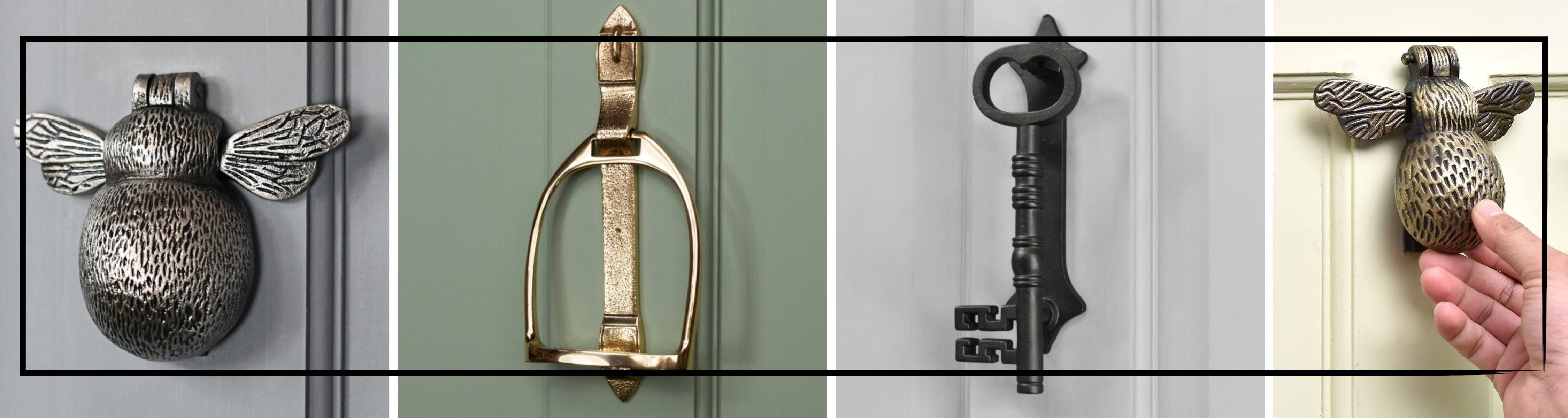
When metal is left unlacquered, it begins a slow transformation known as patina. Patina is the surface change that happens when metal reacts with oxygen and moisture. Brass shifts from bright gold to warm honey and then to a deeper brown. Bronze grows darker and richer, especially in humid climates. These changes are natural. They are not flaws.
Over time, a door knocker develops contrast. The raised areas polish gently where hands make contact. The recesses deepen in tone. Rain leaves faint marks. Sunlight warms exposed edges. The hardware begins to look lived in and authentic. It appears connected to the door rather than simply attached to it.
Climate plays a role. In coastal regions, salt air speeds up the aging process and creates dramatic tonal shifts. In drier inland areas, the transformation is slower but still visible. Each piece evolves differently. No two homes will share the exact same surface story.
When purchasing unlacquered hardware, it is important to choose solid brass or solid bronze rather than thin plated material. Solid construction ensures durability as the surface changes. The beauty lies not only in appearance but also in structural integrity. A living finish gains depth with every season and rewards patience.
Exterior paint palettes are leaning toward earth based tones such as terracotta, sage, and deep charcoal. These shades feel calm, organic, and modern at the same time. The finish of the door hardware should support that mood rather than compete with it.
Weathered bronze carries a warm brown undertone. Against terracotta walls, it feels harmonious and grounded. With sage, it adds richness without overpowering the softness of green. On a deep charcoal door, weathered bronze creates gentle contrast and warmth, preventing the facade from feeling too cold.
Gunmetal offers a cooler, graphite inspired tone. On sage exteriors, it delivers a clean and contemporary edge. Paired with deep charcoal, it creates a sleek and architectural effect. Against terracotta, gunmetal stands out more boldly, giving the entry a sharper, urban presence.
The right choice depends on the emotional direction of the home. Warm finishes suggest heritage and permanence. Cooler finishes communicate precision and modernity. Before finalizing, it is wise to view samples in natural daylight and evening light. Metal shifts under changing conditions, and the relationship between paint and hardware becomes clearer when seen in real settings.
A common concern is how to combine traditional knockers with modern security systems. Many homeowners want the charm of hand forged hardware while also installing smart cameras and digital locks. The key is visual harmony.
The finishes should speak the same language. If the smart lock and camera are matte black, a darker bronze or gunmetal knocker blends more smoothly than bright polished brass. If the lock features brushed brass detailing, selecting a similar toned knocker maintains continuity. Consistency prevents visual tension.
Placement is equally important. The knocker should remain the central focal point on the door. Smart devices can be positioned slightly above or to the side, allowing them to perform their function without dominating the design. Slim profile devices in muted finishes integrate more naturally than bulky, high contrast models.
When technology is thoughtfully aligned with material choice, the result feels layered rather than conflicting. The traditional and the contemporary coexist without diminishing each other.
Modern entry doors, especially pivot styles, are often taller and wider than traditional doors. Standard small knockers can appear undersized on these expansive surfaces. Larger designs, typically between eight and ten inches, create stronger visual balance.
An oversized knocker becomes a sculptural focal point. On a tall charcoal door, a substantial weathered bronze ring introduces warmth and depth. On a sage double door, a bold gunmetal bar adds structure and clean geometry. Proper proportion ensures that the hardware neither disappears nor overwhelms the facade.
Scale also influences sound. Larger, solid metal knockers produce a deeper, more resonant tone. The sound feels deliberate and confident. When selecting a larger piece, it is essential to confirm that the door construction can support the weight. Solid wood or reinforced composite doors provide the necessary strength.
There is a quiet shift in the way homes are being designed. Surfaces no longer need to look polished and machine perfect to feel refined. In fact, the opposite is happening. Buyers are moving toward objects that carry weight, texture, and visible human effort. Craftsmanship is no longer a background detail. It is the central focus.
Sand casting and forging stand at the heart of this movement. Sand casting is a traditional method where molten brass or iron is poured into a compacted sand mold. When the metal cools and the mold is broken, the surface carries a soft, grainy imprint from the sand itself. Forging is different but equally tactile. In forging, metal is heated until it glows and then shaped through controlled hammering. The pressure compresses the metal, strengthening it while giving it subtle surface variation.
Both processes are slower than industrial stamping. Both leave marks of touch and heat. Those marks are no longer seen as flaws. They are proof of origin.
In a market flooded with uniform chrome finishes and lightweight alloys, texture has become a sign of quality. A sand cast door knocker does not appear sterile. It feels grounded and dense. Light does not bounce sharply off its surface. Instead, it settles into the grain and creates a warm glow. When held in the hand, solid cast brass feels cool at first and then slowly warms against the skin. That physical response builds connection.
This is not fast decor. It is considered buying. It is choosing an object that will remain in place for years, developing depth and patina instead of peeling or fading.
Read More : Mixing Eras: How to Blend Vintage Indian Kitchenware with Modern Scandinavian Minimalism
If you run your fingers across a sand cast surface, you will notice small ripples and natural variations. No two pieces are identical because no two molds are exactly the same. In earlier decades, this difference might have been labeled as inconsistency. Today, it signals authenticity.
Perfection can be achieved by a machine. Subtle irregularity belongs to the maker.
Luxury has shifted from shine to substance. Buyers now look for visible grain in the metal, depth in tone, and finishes that allow the surface to mature over time. Brass slowly deepens in color as it reacts with air. Iron grows richer and darker. This change is not damage. It is aging with dignity.
When selecting sand cast hardware, weight is the first test. Solid metal should feel heavy and balanced in the palm. The grain should be present but refined, not rough or poorly finished. A well crafted piece protects the metal while still allowing natural character to develop. This balance separates decorative hardware from heirloom hardware.
Data from interior retail platforms shows steady growth in demand for handcrafted metal hardware as homeowners prioritize long lasting materials over disposable fittings. The buying decision is becoming less about price alone and more about durability, sustainability, and story.
Choosing hand forged or sand cast hardware means supporting skilled artisans and small foundries that continue to practice traditional metalwork. In these workshops, furnaces burn hot and metal is shaped with deliberate force. Each strike of the hammer refines the form. Each cooling cycle strengthens the structure.
This slower process creates density and longevity that mass produced pieces rarely achieve. Factory stamped hardware often uses thin alloys with surface plating that can chip within a short period. Hand forged or cast pieces are usually made from solid brass or iron, built to endure decades of daily use.
Beyond durability, there is narrative value. Owning a piece that was shaped in a small foundry connects the home to a living craft tradition. Guests feel the difference when they lift a heavy knocker. The sound it makes against the door is deeper and more resonant. The tactile experience leaves an impression before the door even opens.
Entry hardware is the first handshake of a house. When it carries visible craftsmanship, it communicates care, permanence, and intention.
The makers mark, often stamped discreetly on the back or underside of the piece, reinforces that authenticity. It confirms origin and pride in workmanship. In a world of identical products, a makers mark introduces identity.
Placement transforms hardware from functional detail to design statement. Traditional placement centers a knocker at mid height. A more contemporary approach positions it at eye level on the far right or left side of the door. This asymmetry creates visual interest while maintaining balance. The result feels architectural and deliberate rather than accidental.
This approach works especially well on solid wood doors, tall entryways, and minimalist facades where clean lines allow the hardware to stand out. Alignment with other elements such as door handles, vertical grain patterns, or panel lines ensures that the composition remains cohesive.
Backplates add another layer of intention. An oversized metal backplate frames the knocker and protects the doors surface from repeated impact. It introduces contrast and depth, particularly when paired with painted or stained wood. A dark forged knocker against a broad bronze plate can add gravitas to a light colored door. A brushed brass plate can warm up darker timber.
Installation should be planned with proportion in mind. The scale of the knocker must relate to the size of the door. The spacing of screws and edges should be measured carefully to preserve symmetry or controlled asymmetry. When done thoughtfully, the hardware becomes a focal point rather than an afterthought.
Read More : Wooden Printing Blocks in the Kitchen: DIY Wall Art and Textile Stamping Ideas
Sand casting and forging represent more than production techniques. They reflect a mindset that values patience, durability, and visible craftsmanship. Texture is embraced rather than concealed. Weight signals quality. Surface variation signals authenticity.
For buyers investing in home renovation or new construction, solid cast or forged hardware offers both aesthetic and practical value. It elevates the entrance, enhances perceived property worth, and withstands daily use without losing character.
A well chosen sand cast or hand forged knocker does not simply serve a function. It anchors the doorway. It gathers memory through touch. It matures with the home.
In a culture that often rewards speed, slow made metal stands as a quiet statement of permanence and care.






 SignIn / SignUP
 Forgot password
 My Orders
 My Wishlist
  My Wallet
 My Invitee
 Sell with us
 New Arrivals