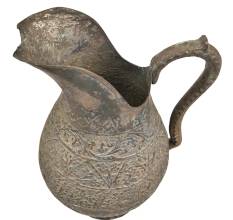
Water jugs are multipurpose containers that store and transport water. At home, they provide convenience and utility.
- Water jugs are perfect for staying hydrated, whether camping, hiking, or picnicking.
- Keeping water bottles handy is essential for emergency preparation kits. They are important in the event of natural catastrophes or unanticipated situations.
- Water jugs help store water at home. This water is for drinking, cooking, or filling pet bowls.
- Water jugs provide a portable water source for personnel at the job or construction site.
Read More: EXPLORING THE RICH TRADITION AND BENEFITS OF BRASS UTENSILS
Water jugs come in various materials, each with benefits and disadvantages.
- Plastic: Lightweight, sturdy, and inexpensive. Some may contain BPA, so choose BPA-free alternatives.
- Stainless Steel: Long-lasting, non-corrosive, and excellent insulating capabilities. Safe for water storage.
- Glass: Non-toxic, easy to clean, but heavier and more likely to break.
- Ceramic: Beautiful and temperature-stable but prone to breakage.
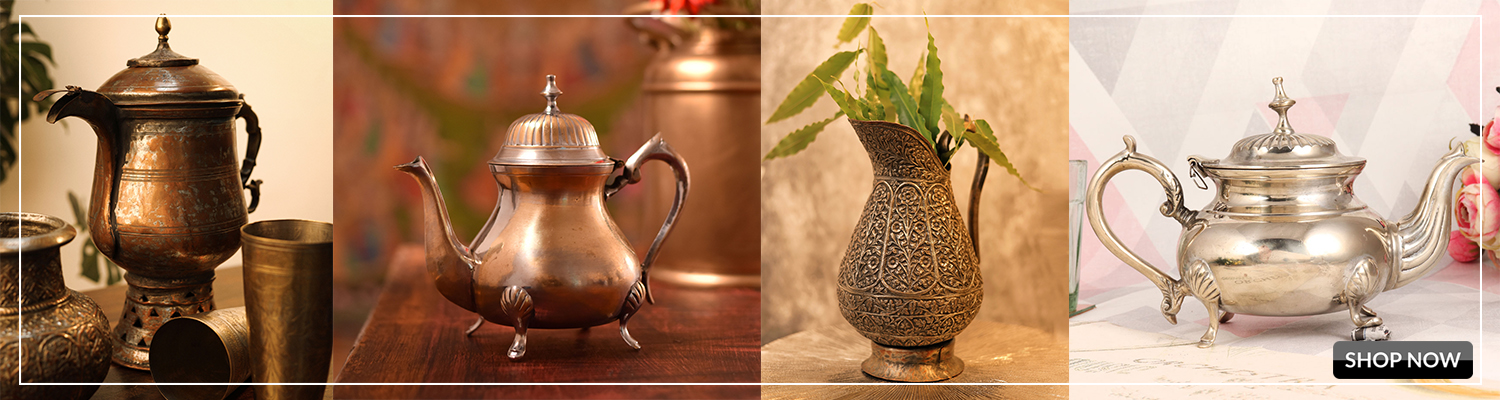
- Size and capacity: Determine how much liquid the jug should carry.
- Durability: Look for jugs constructed of durable materials for outdoor activities.
- Insulation: Choose insulated jugs for keeping beverages hot or cold for a lengthy period.
- Cleaning Ease: Opt for easy-to-clean jugs with removable lids and large holes.
Read More: ELEVATE YOUR BATHROOM DECOR: A COMPREHENSIVE GUIDE TO BATHROOM ACCESSORIES
Copper mugs are famous due to their visual appeal and many advantages. They heighten the flavor of certain beverages and have antibacterial characteristics.
- Copper enhances the taste of acidic drinks like cocktails.
- Copper mugs preserve the temperature of cold liquids.
- Antibacterial properties make copper mugs a sanitary choice.
- They have a stunning metallic luster, adding elegance to any occasion.
- Avoid abrasive cleaners or dishwashers. Hand wash with soap and warm water.
- Avoid acidic substances like lemon juice or vinegar, which can tarnish the metal.
- Use a soft towel to avoid water stains and oxidation.
- Polish with copper polish, lemon juice, and salt.
Water jug safety is essential for preventing drinking water contamination.
Sanitization Process: Clean with hot, soapy water and a brush. Rinse thoroughly and sanitize with water and bleach solution.
Bamboo, stainless steel, and recycled glass are popular sustainable materials for water jugs.
Consumer Influence: Encourage firms to increase sustainability by choosing eco-friendly alternatives.
Read More: CHRISTMAS DECORATIONS FOR OFFICE
Common issues with water jugs include leaks, cracks, and lids that won't seal.
DIY Solutions: Tighten the lid, replace the seal, or repair cracks with waterproof glue or tape.


 SignIn / SignUP
 Forgot password
 My Orders
 My Wishlist
 My Wallet
 My Invitee
 Sell with us
 New Arrivals